
 Carlos Solis
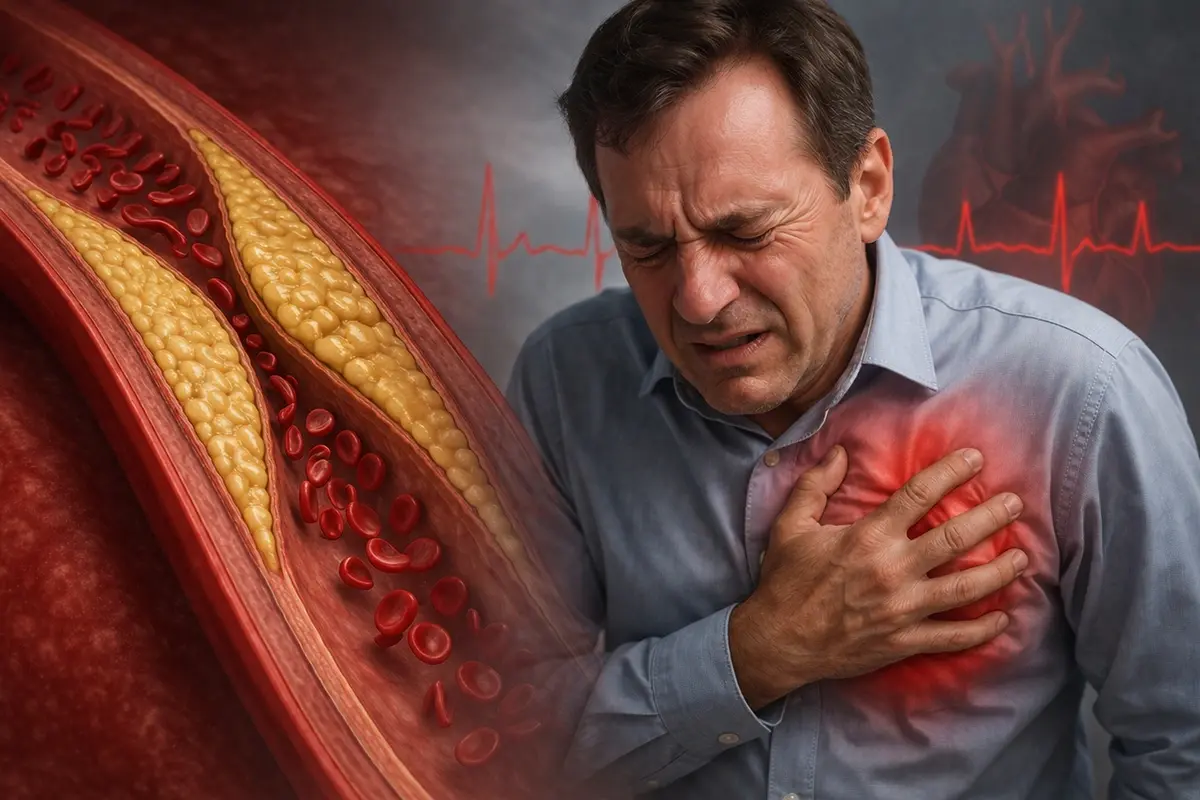 Is all cholesterol harmful? Does being slim protect you from its damage? British cardiologist Oliver Guttman busts five common cholesterol myths.
The Daily Mail asked Dr. Guttman to separate fact from fiction so readers can better understand how to protect themselves from the harmful effects of cholesterol, particularly on the cardiovascular system.
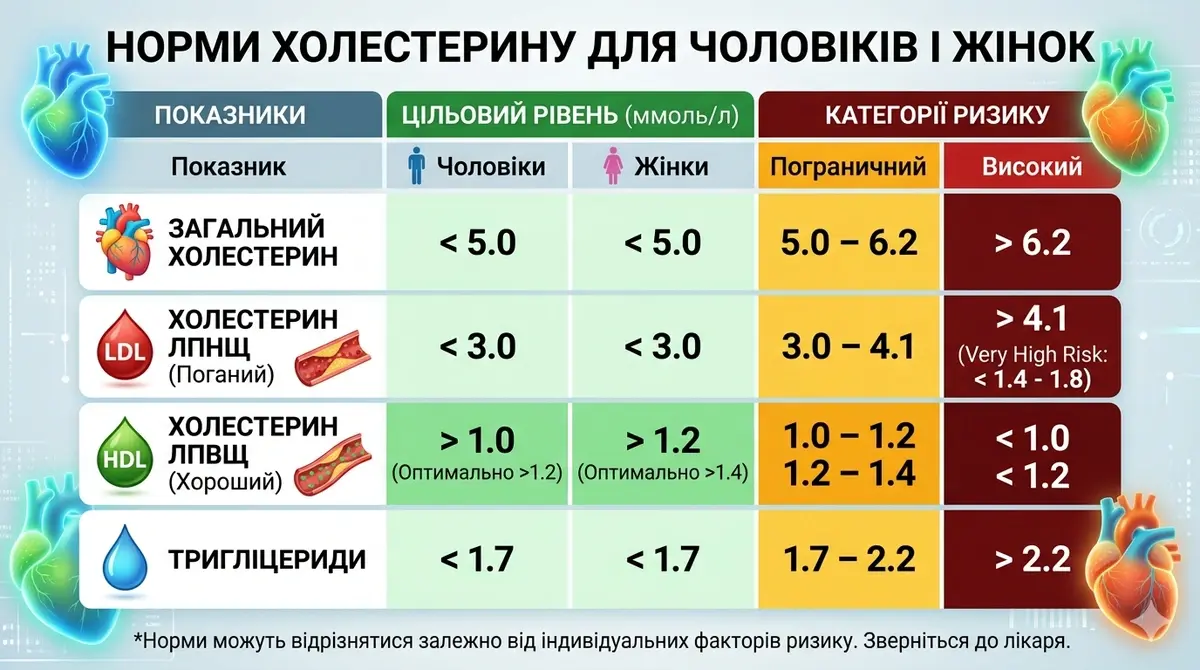
So what is cholesterol, really? It’s a waxy, fat-like substance known as a lipid that’s present in every cell in the body. Normal total blood cholesterol for adults is up to 5 mmol/L.
“The problem is that high cholesterol usually causes no symptoms — until it’s too late,” Guttman says.
Myth 1: All blood cholesterol is bad
HDL (high-density lipoprotein) cholesterol is usually called the “good” type. HDL helps carry excess cholesterol from the bloodstream to the liver for processing, and it reduces the risk of atherosclerosis and cardiovascular disease.
LDL (low-density lipoprotein) cholesterol, the so-called “bad” cholesterol, behaves differently. LDL builds up on artery walls as fatty deposits that narrow the blood vessels and raise the risk of heart attack and stroke.
When HDL levels are too low, harmful cholesterol can accumulate more easily. That’s why, Guttman says, total cholesterol alone doesn’t tell the whole story.
“Two people can have the same total cholesterol level but very different cardiovascular risk depending on the balance of these components,” he explained.
Myth 2: Being slim protects you from high cholesterol
Unfortunately, many people hold this mistaken belief. Guttman says, “Being slim does not guarantee healthy cholesterol levels.”
Many factors besides weight affect cholesterol. Guttman points out that some people who look lean and have a healthy weight can still have high cholesterol because their bodies naturally produce more of it.
High cholesterol can also be inherited.
When it comes to fat deposits, pay attention not only to total body fat but also to visceral fat, the fat stored deep in the abdominal cavity around organs. This type of fat is associated with higher levels of “bad” cholesterol and an increased risk of heart attack.
Myth 3: High cholesterol is a men’s problem
“Cardiovascular disease remains one of the leading causes of death among women,” Guttman says, and harmful cholesterol is an important risk factor.
Guttman explains that cardiovascular disease develops later in women than in men, partly because estrogen offers protection before menopause; after menopause, the risk rises sharply.
Another problem is that women’s symptoms are often less obvious than the classic crushing chest pain that men commonly describe.
Myth 4: Statins to lower cholesterol are dangerous
Doctors most often prescribe statins to effectively lower cholesterol and reduce the risk of heart attack and stroke. Yet many patients are reluctant to take them.
Statins are frequently blamed for aches and pains that commonly appear in middle age, although modern clinical trials have repeatedly shown that statin side effects are relatively uncommon.
Doctors consider inconsistent use of these drugs a major problem. Studies show a significant number of patients stop taking statins after the first few years, and that’s one reason many people fail to reach healthy cholesterol targets.
Myth 5: Diet can’t lower cholesterol
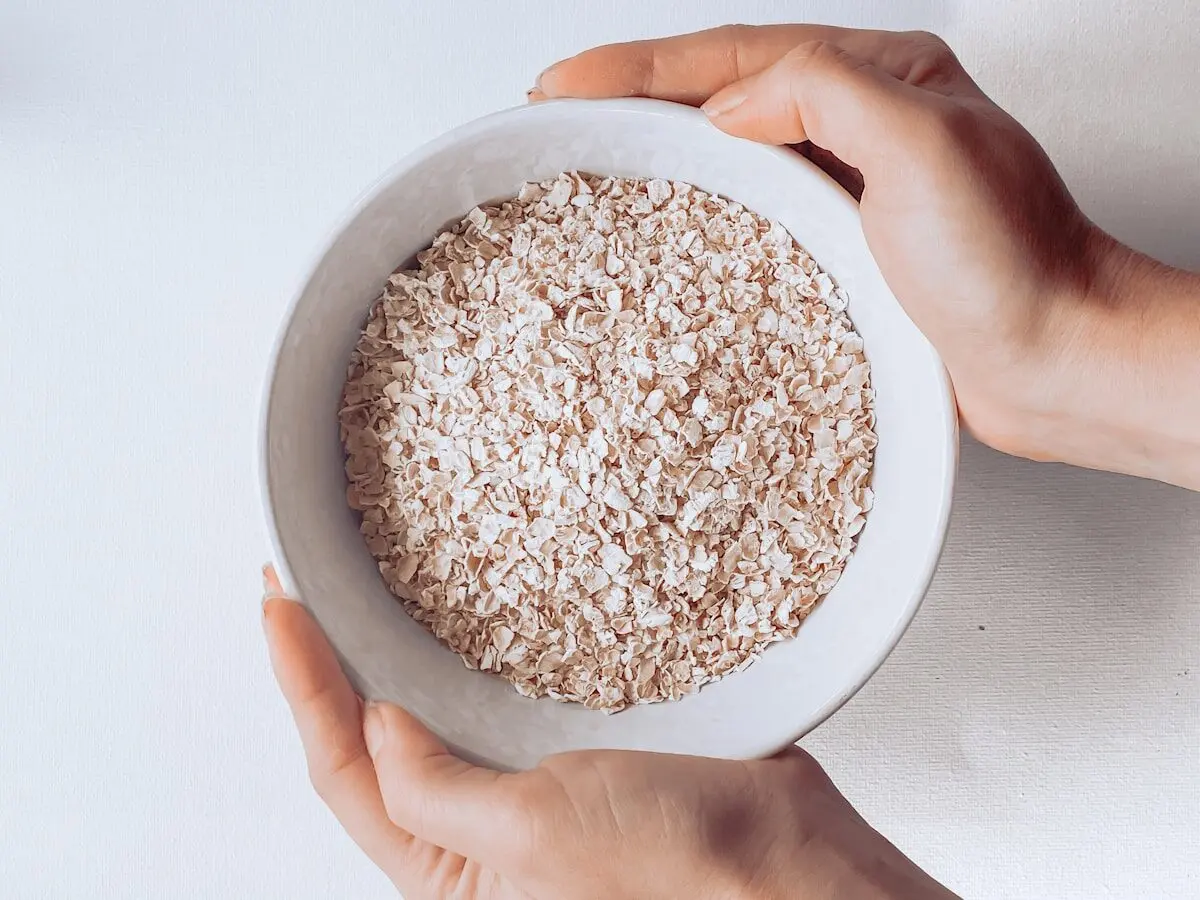
Diet plays a major role in lowering cholesterol. Eating foods high in soluble fiber, such as oats, beans, and lentils, helps reduce LDL levels.
Oats contain beta-glucan — a soluble fiber that forms a gel in the gut, binding cholesterol and preventing its absorption into the bloodstream.
A recent study found that eating oatmeal for just two days reduced “bad” cholesterol by 10 percent.
Cholesterol Q&A
What are normal cholesterol levels in the blood?
Total blood cholesterol should not exceed 5 mmol/L. LDL (“bad”) should be up to 3 mmol/L, and HDL (“good”) should be at least 1 mmol/L in men and 1.2 mmol/L in women. After age 50, check these levels annually, even if you feel fine.
How can I lower cholesterol through diet?
In addition to oats and legumes, fatty fish (salmon, mackerel, herring) help lower LDL thanks to omega-3s; nuts — especially walnuts and almonds — extra-virgin olive oil and avocado also help. Limit trans fats (fast food, industrial baked goods) and saturated fats (fatty meats, butter), which raise LDL.
Can I stop statins completely and treat cholesterol with diet alone?
That depends on an individual’s level of risk. For moderately elevated cholesterol, dietary changes and physical activity may be enough. But if there’s a genetic predisposition, existing cardiovascular disease, or very high LDL levels, statins are usually necessary. A doctor should make that decision for each person.
What are cholesterol plaques and why are they dangerous?
Cholesterol plaques are LDL deposits on the inner walls of arteries. Over time they harden, narrow the vessel lumen, and disrupt blood flow. If a plaque ruptures, a clot can form around it and completely block an artery — causing a heart attack or stroke. That’s why atherosclerosis, which can develop for years without symptoms, is one of the most dangerous consequences of chronically high cholesterol.
