
What started as an arena for athletic contests was, by the late Roman period, converted into a multipurpose for gladiatorial combat, animal shows, and public executions. Discoveries made as part of the Heritage for the Future project, led by Prof. Dr. Sedef Çokay Kepçe of Istanbul University, shed detailed light on the social and political shifts in Anatolia during late antiquity.
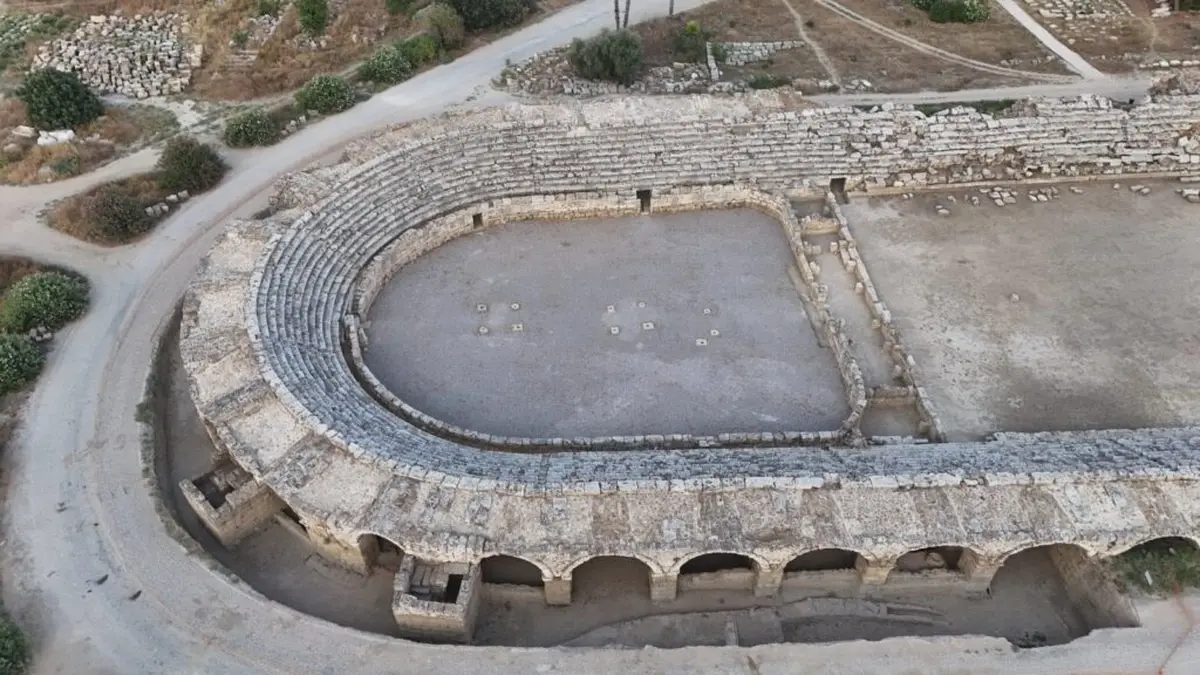
Perge, located in the Aksu district of Antalya province, was one of Pamphylia’s major cities and an important capital during the Hellenistic and Roman periods. The city is famous for its well-preserved urban plan: colonnaded streets, baths, temples, and a theater. The stadium, built in the 2nd century AD, originally served as the site for large-scale athletic competitions.
In its original form, the stadium seated thousands of spectators. But new excavations show that between roughly the 3rd and 6th centuries AD the structure underwent major architectural changes. These changes were not merely cosmetic — their form and layout point to a complete change in the building’s function.
How the stadium was rebuilt for spectacle
Aytach Denmez, deputy director of the excavations, says the stadium was reworked to host a range of performances beyond sport. Archaeologists uncovered added structures: raised platforms for staged scenes, enclosed chambers interpreted as holding cages for animals, and complex gate mechanisms that controlled access to the arena.
These features correspond to known components of Roman , so the Perge stadium was effectively refitted into a public-show arena without building an entirely new venue. That approach points both to economic pragmatism and to changing tastes and expectations among late Roman audiences.
Damnatio ad Bestias — executions by beasts
One of the most significant interpretations from the digs is that Perge likely practiced damnatio ad bestias, meaning executions by exposure to wild animals. These events, often staged before large crowds, served both as entertainment and as a public demonstration of imperial power.
Several lines of evidence support this reading: animal bones found inside the arena, iconographic depictions of animal combat scenes, and infrastructure for holding and releasing wild animals. Although written records from Perge are limited, the archaeological record strongly indicates that such spectacles were part of city life in late antiquity.
The “Gates of Death” — a unique entrance system
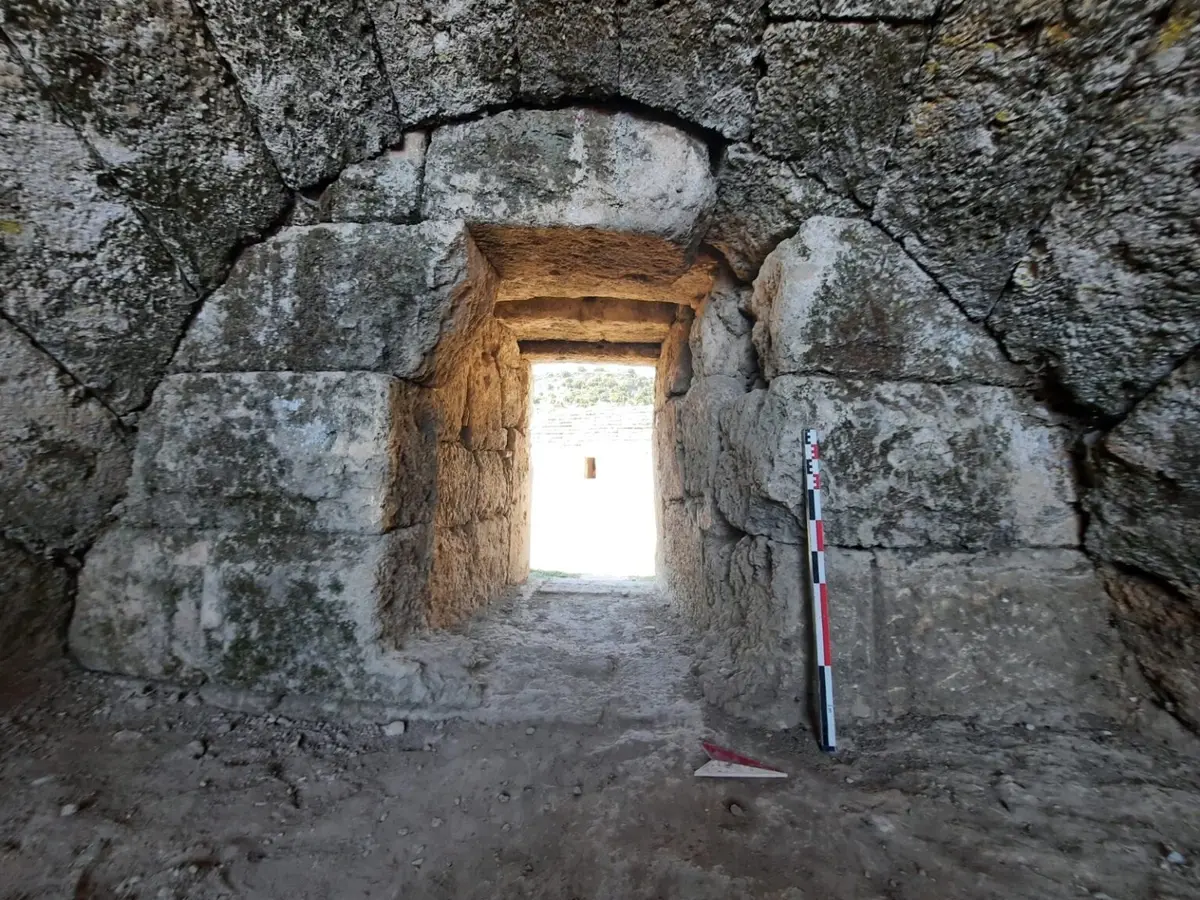
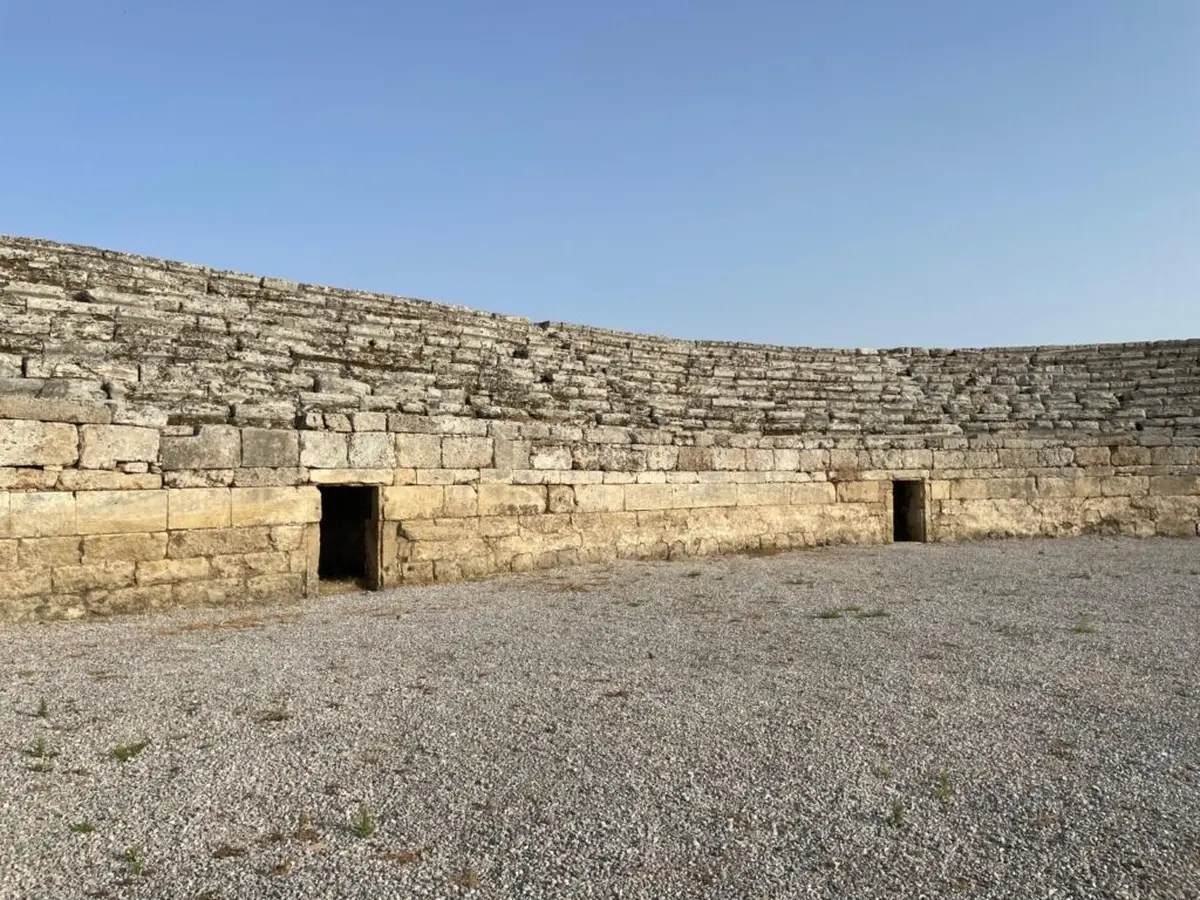
The most striking find is a system of five adjoining entrances that researchers have dubbed the “Gates of Death.” These gates appear to have been specially designed for the staged, controlled release of animals into the arena.
This configuration has no direct parallels among previously known Perge monuments and is rare on other Roman sites. It allowed organizers to precisely choreograph the shows, building suspense and danger for participants and spectators alike. Discovering this gate system deepens our understanding of the engineering behind Roman entertainment devices and highlights the careful planning that went into these brutal spectacles.
Gladiators, pontarii, and a wide range of shows
Besides executions and animal fights, the arena likely hosted of various types. Researchers point to the possibility of pontarii — a less well-known form of combat staged on specially built planks or “bridges” (pons). These productions required particular spatial arrangements that may correspond to some of the stadium’s architectural alterations.
That variety of programming shows how complex and multi-layered Roman spectacle culture was: the violence on display was organized, ritualized, and tightly bound to social and political contexts.
Perge through the ages
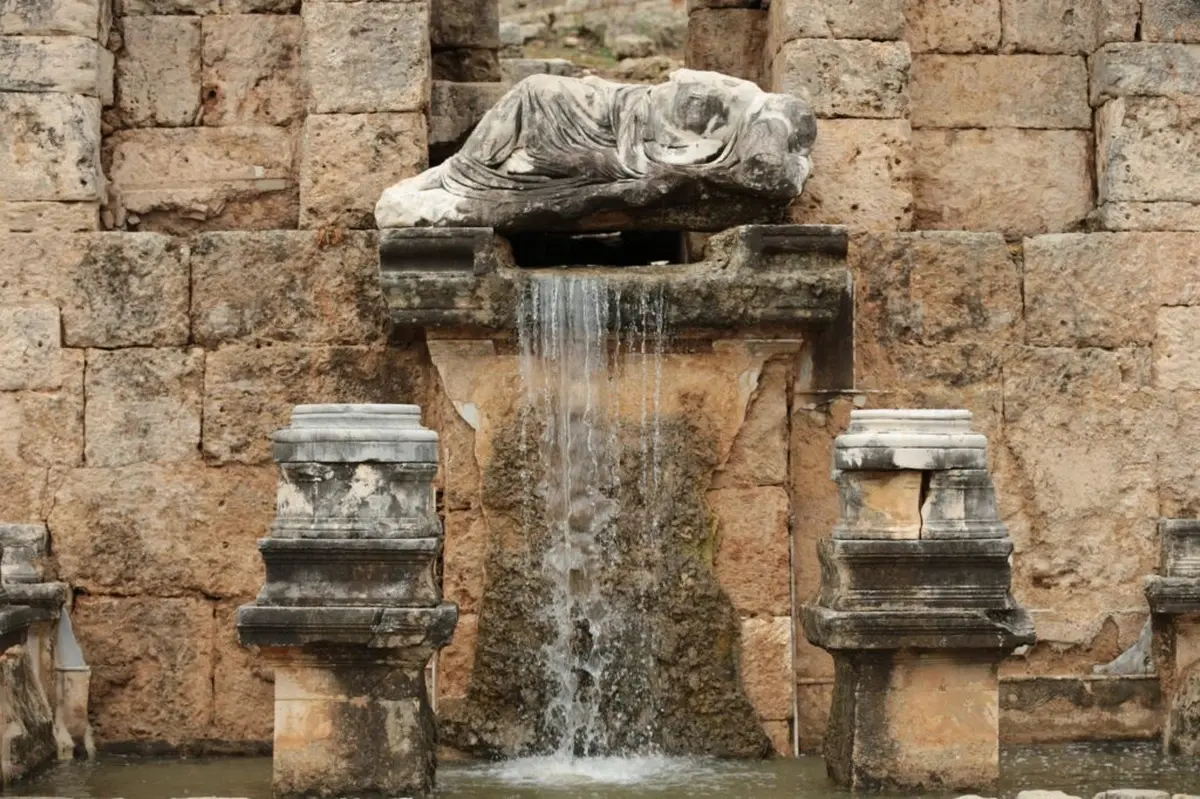
Despite the stadium’s darker chapter, archaeologists also documented signs of revival. The Kestros Fountain, dated to the reign of Hadrian in the 2nd century AD, has been restored — water is running through its system again for the first time in about 1,800 years.
Perge has roots stretching back to the Bronze Age and developed through the Hellenistic, Roman, and Byzantine periods. As the capital of Pamphylia, it played a key role in regional trade, politics, and culture — its advantageous position near the Mediterranean and fertile plains encouraged prosperity.
The city is also linked to early Christianity: tradition holds that the Apostle Paul passed through Perge during his missionary journeys. Over centuries, layers of history have left visible marks on the city’s landscape.
continue, and Perge will likely reveal more evidence that deepens our understanding of life — and death — in the ancient world. For now, the “Gates of Death” remain a powerful reminder of the Roman civilization’s dual nature: the ability to produce architectural grandeur and, at the same time, to stage organized brutality.
Based on material from Arkeonews
