
 Gaby
GabyResearchers modeled future Mars colonists using data from Arctic stations and submarine crews. They found that “neurotic” individuals have the worst chance of surviving on the Red Planet.
People who struggle with anxiety, become overly competitive, or feel overwhelmed by pressure fared poorly in the models and are less likely to succeed on Mars. The simulations showed the best odds belonged to easygoing, “agreeable” personality types.
Computer modeling of life in a colony on Mars
A new study used computer modeling to track the progress of human settlements on the Red Planet during the first 28 years of virtual operation. The researchers considered potential colonists across four personality types and found that agreeable personalities were the most resilient over the long term, while neurotics showed the least ability to adapt.
The team also found that the minimum number of settlers needed for a successful human colony on Mars is much lower than expected: only 22 people. They say a sustainable settlement could be established by dozens rather than hundreds, with a mix of personality types.
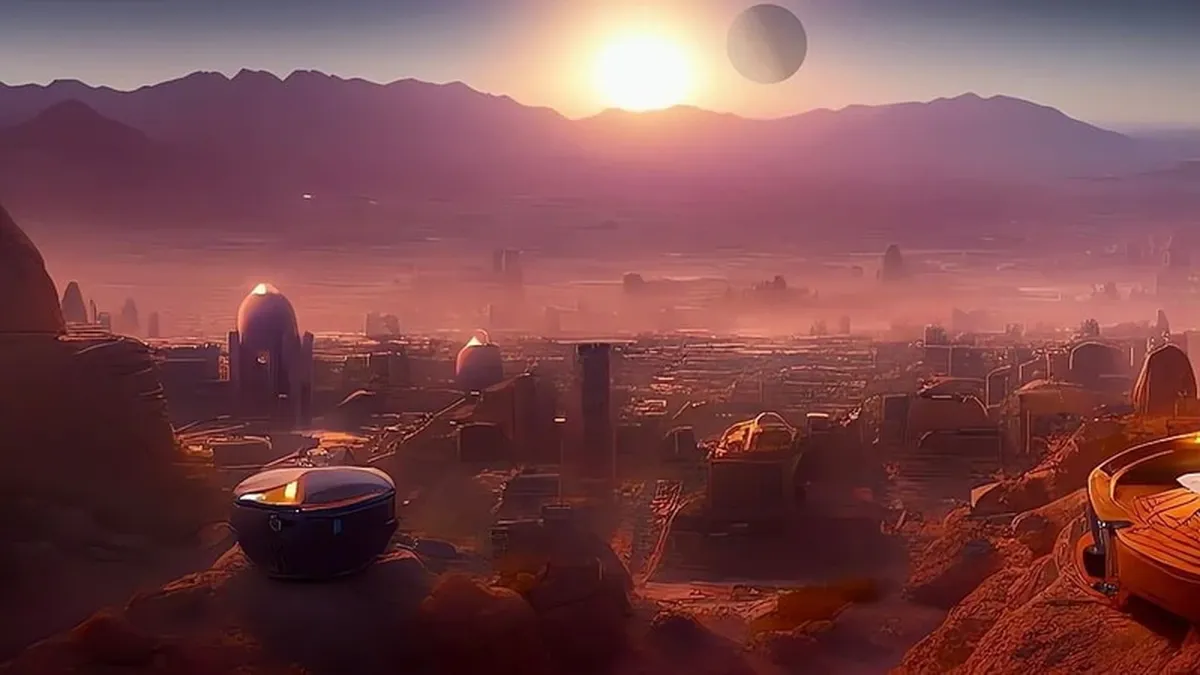
The authors of the study fed the model data from related scenarios to make it more realistic. They included economic and agricultural figures, an overview of the ISS’s resource-saving and production capabilities, and data from Antarctic research stations, submarine crews, and other isolated teams.
The researchers said building a human settlement on Mars is an enormous engineering challenge. But beyond the technical problems, future colonists will also face psychological and social hurdles.
That’s why they modeled behavioral and psychological interactions among future Martian settlers. They combined that modeling with game theory and evolutionary programming, an approach adapted from studies of biological systems.
What should Mars colonizers be like?
The model identified the “friendly” type as a person with low competitiveness, low aggression, and no fixation on a strict daily routine. The “social” type had medium competitiveness, was extroverted, and needed social interaction without being obsessed with schedules.
The “reactive” group included people with moderate competitiveness who stuck closely to strict routines. The fourth group—the “neurotics”—were highly competitive, displayed very aggressive interpersonal traits, and struggled to handle boredom or changes in routine. That combination made them the least adaptable to unexpected challenges to colony maintenance.
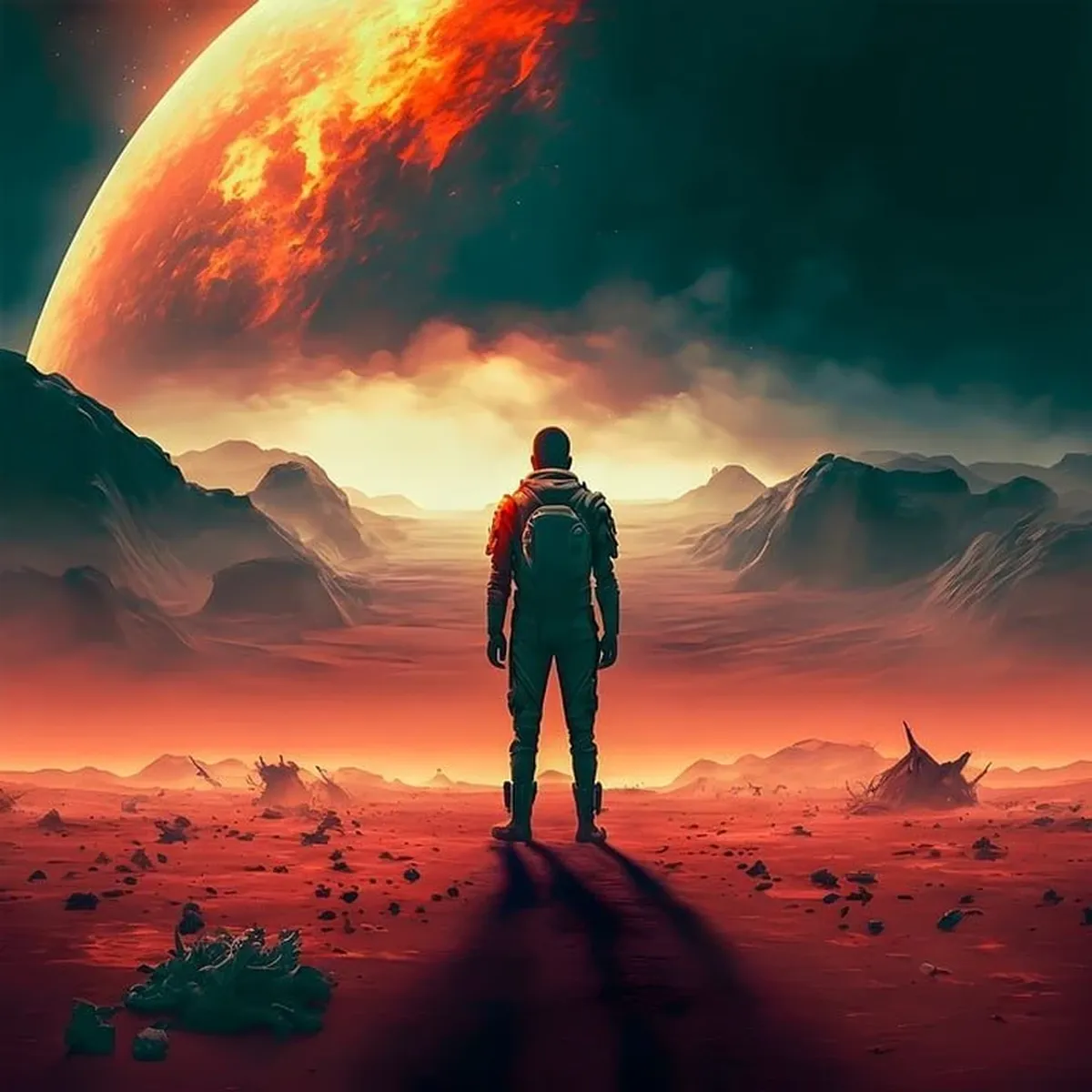
The researchers made several generous assumptions in their model, including regular resupply from Earth and a nuclear generator capable of powering the settlement reliably for at least seven years. The modeled colonies were also tasked with extracting valuable minerals for shipment back to Earth.
The study primarily focused on the personality makeup of the colonists. It also looked at how settlers used their skills for resource extraction and how they responded to random shuttle-supply accidents and habitat disasters.
Traits that will help colonizers survive on Mars
- Adaptability to change: having less obsession with strict daily routines helped people cope with surprises and adapt to new challenges.
- Low aggressiveness: neurotics performed worst because aggressive interpersonal traits often doomed the colony during crises.
- Low competitiveness: the “agreeable” category was more cooperative than the “neurotic” and “reactive” categories, which boosted the colony’s chances of survival.
Life in the extreme conditions of Mars
The researchers ran their model five times, each covering 28 simulated years. By varying the colony’s population size from 10 to 170 settlers between runs, they found the base could operate for decades with just 22 inhabitants.
In most simulations, settlements could recover as long as the colony population stayed at ten or more between disasters. That wasn’t true when the colony couldn’t recover on its own between resupply missions from Earth, which the model scheduled every 1.5 years.

The Martian environment is so hostile that habitats must be largely self-sufficient. Stress from accidents and from interactions with other colonists reduced the settlement’s chances of survival.
The modeling shows success in extreme conditions boils down to coping ability—how well people go with the flow, adapt to surprises, and improvise during disasters.
In future modeling, the researchers plan to experiment with the ratio of personality types among colonists at each Martian base. They want to test whether a team made entirely of easygoing colonists can outperform mixed groups composed of all types used in past trials.
