
 Gaby
GabyRecently, SpaceX CEO Elon Musk made a striking claim: that in 30 years a million people will be living on Mars. Not all scientists agree.
Building a city of that size would be catastrophic for the Red Planet, warns Professor Andrew Coates, a physicist and Mars researcher at University College London. He says settlers would contaminate Mars with Earth’s biological material and jeopardize the search for extraterrestrial life.
Coates says we cannot send that many people to Mars if we want to learn as much as possible about it. Speaking on the Today program, he said, “The last thing we need to do is transfer life from Earth to Mars.” He added that robotic missions are the best way to explore Mars.
What inspired Musk to make such a statement?
Elon Musk’s announcement about a million-strong city came after SpaceX’s biggest success to date. On October 13, during the fifth test launch of the Starship rocket system in Texas, the company successfully landed the Super Heavy booster for the first time. The 70-meter-tall booster separated from the spacecraft at an altitude of 74 kilometers and then returned to the launch pad.
The Starship rocket system, standing at 122 meters tall, consists of the Super Heavy booster (the first stage) and the Starship upper stage spacecraft.
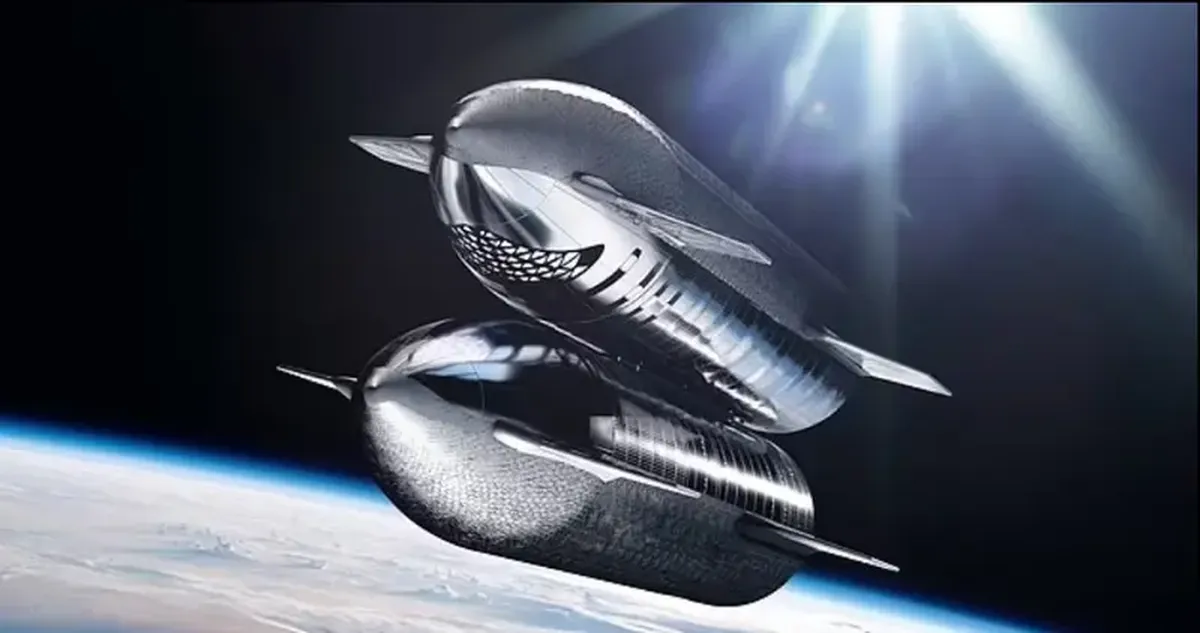
The success has raised hopes for cheaper, more efficient space travel that could deliver settlers and cargo to Mars, the Daily Mail reported.
However, Coates warns that building a large human settlement would create serious problems for scientists. Coates is part of the team developing the Rosalind Franklin rover, which will search beneath Mars’ surface for microbial life. He worries that sending people to Mars will inevitably contaminate the planet with Earthly biological material, making it much harder to detect native signs of life.

Coates said, “Ultimately, Elon Musk would like to send people to the Moon and Mars, but I think we should be a bit more cautious with the latter.” He believes humans may one day set foot on Mars, but their numbers must be strictly controlled to minimize the chance of contaminating the planet with Earth bacteria.
Coates isn’t opposed to Moon colonization, since unlike Mars there are no signs of life on Earth’s natural satellite and thus less risk of biological contamination. NASA has chosen Starship for astronaut flights to the Moon in 2026.
