
 Gaby
GabyIt has been more than 4,000 years since the woolly mammoth last roamed the Earth. But these extinct giants might not be gone for good. Humanity is now one step closer to seeing a living woolly mammoth. The announcement comes from the biotechnology company Colossal Biosciences, which is dedicated to resurrecting extinct species. The startup plans to invest $15 million in the project.

How Mammoths Will Be Revived
Researchers say they’ve made a breakthrough that could bring woolly mammoths back to life by around 2028. Scientists developed a method for creating pluripotent stem cells from elephants; those cells can turn into any cell type in an organism. This discovery is a major milestone for de-extinction efforts. The Daily Mail reported the discovery. Dr. George Church of Harvard Medical School, co-founder and lead geneticist at Colossal Biosciences, explained that these cells are the key to reviving the mammoth.
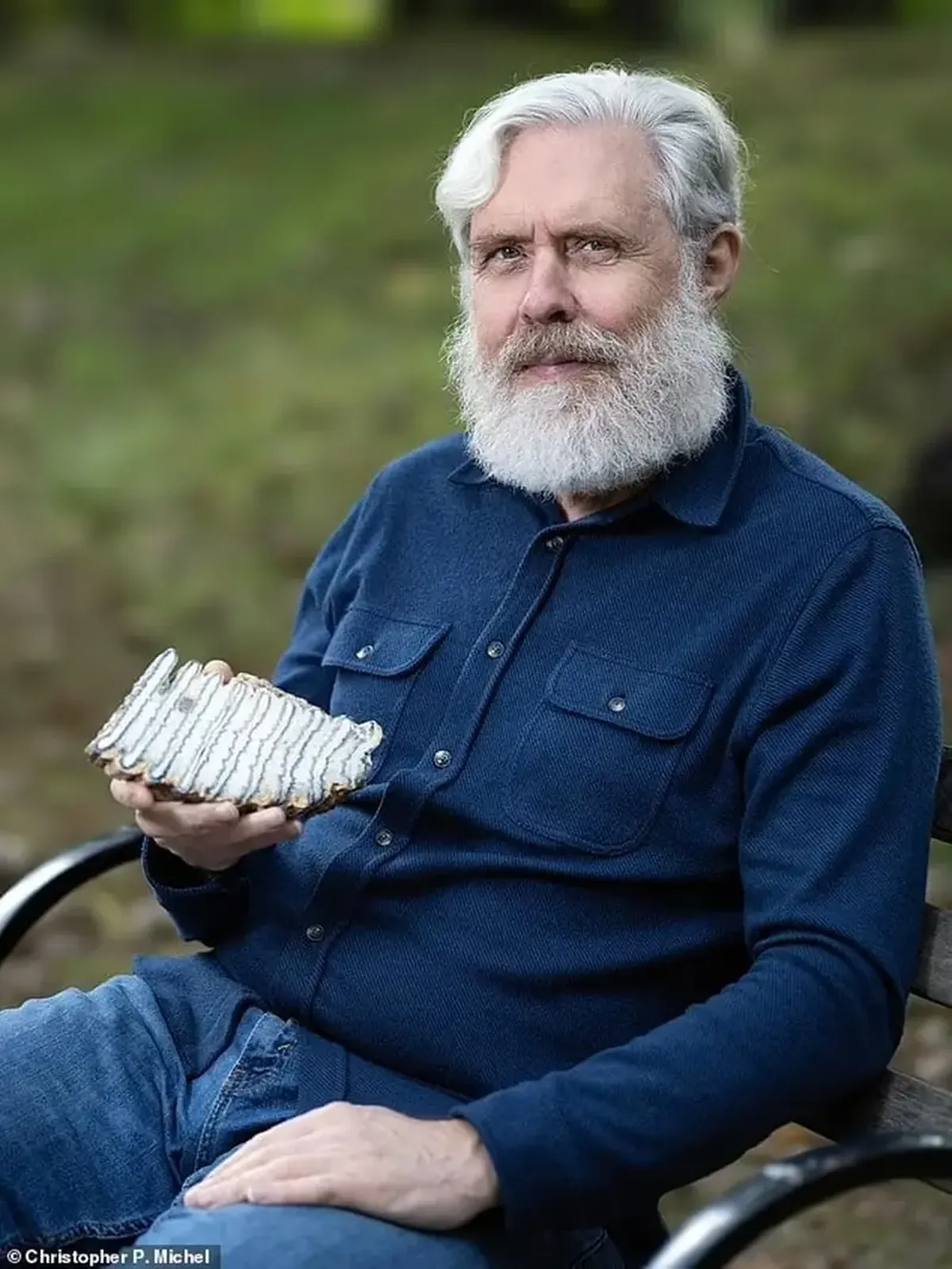
According to Eriona Hisol, head of biological sciences at Colossal Biosciences, creating pluripotent stem cells was no easy task. She said it took years to develop the method. To move from pluripotent cells to a living mammoth, scientists plan to edit the cells using genes extracted from fossilized mammoth remains. That biotechnology will allow researchers to produce an egg cell that can be fertilized and grown in an artificial womb. Ultimately, the team aims to create a special hybrid that will have key mammoth traits — a thick layer of fat, a dome-shaped skull, and long fur — and be adapted to cold climates.
Researchers hope that in the future, mammoths will help restore Arctic ecosystems damaged by the climate crisis. Currently, they are testing cold-resistance genes on elephants and working on cultivating egg cells and sperm for conservation and study. Colossal Biosciences also plans to bring the Tasmanian tiger and the dodo bird back to life.
