
 Gaby
GabyOn Earth, a few super predators could claim the title of “deadliest.” But the animal that actually kills the most people is neither fierce nor large. Think about that for a second. Before we reveal this unassuming killer, consider a few contenders. Despite their fearsome image, sharks kill only about 10 people worldwide each year (though 2023 saw a slight uptick). Falling coconuts, by comparison, kill roughly 150 people a year, which makes sharks look amateurish.
What about bears? About 750,000 black bears roam rural North America. How many people do they attack each year? Just one person. Even cows outpace bears and sharks: in the U.S. alone they kill between 20 and 22 people annually. And poisonous creatures? The spiders we fear rarely cause fatal bites anymore, thanks to the development of antivenoms in the 20th century. Snakebites remain a major problem: the World Health Organization classifies snakebite envenoming as a “neglected tropical disease,” and about 140,000 people die from snakebites worldwide each year. That number is staggering, but it pales next to the planet’s top killer. So who is it?
Every year, one tiny creature kills between 700,000 and 2.5 million people: the mosquito. Mosquitoes transmit several deadly diseases, the most lethal of which is malaria. Malaria kills around 600,000 people each year and causes about 200 million cases that incapacitate people for several days. The disease mainly affects people living in tropical and subtropical regions. In the hardest-hit countries, the most vulnerable are young children who haven’t developed immunity and pregnant women.
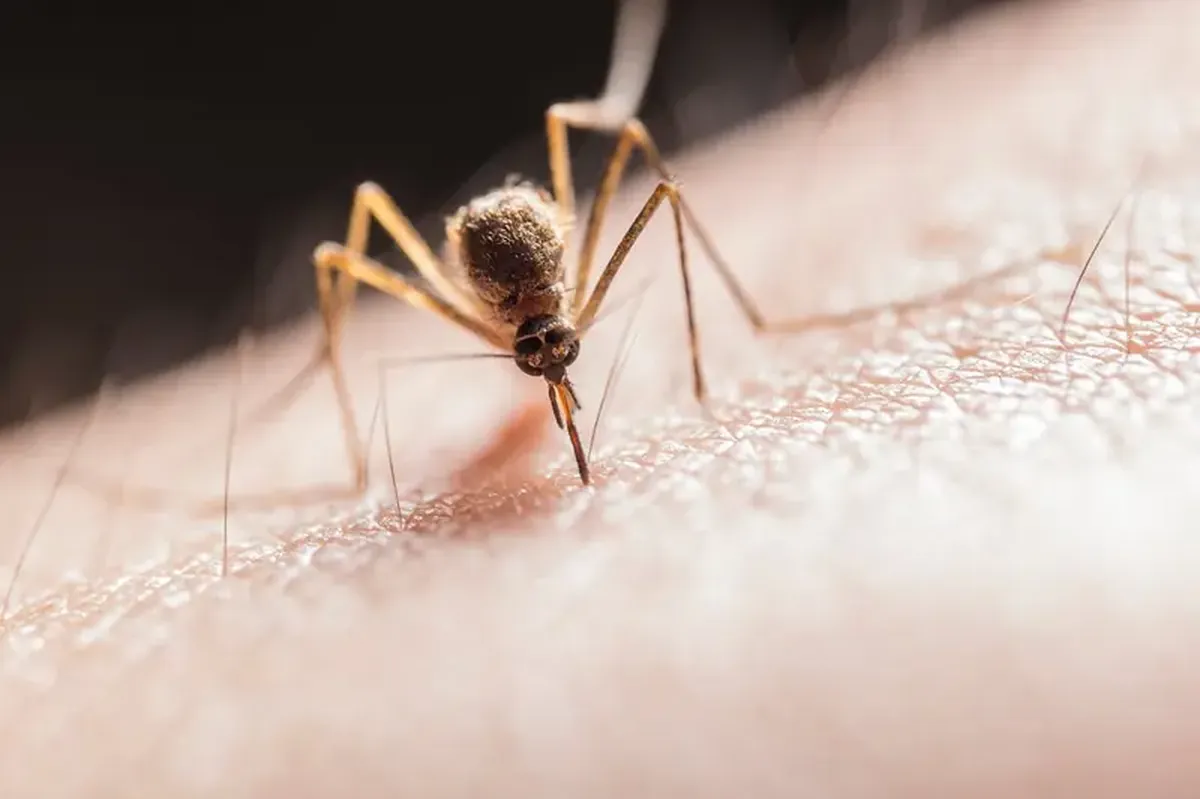
In recent years, malaria has become a bigger threat in places that were once unfamiliar with the disease, largely because it has been imported en masse from endemic regions. For example, the south of France has seen cases recently, according to IFLScience. Malaria isn’t the only disease mosquitoes spread. Dengue fever, a viral infection found in tropical and subtropical areas and parts of the U.S., is generally less deadly than malaria but can leave people very ill. Other mosquito-borne illnesses include West Nile virus, which can cause neurological disease and death. No specific cure exists for that infection.
So despite their tiny size, mosquitoes are the deadliest animals on the planet. As global warming intensifies, mosquitoes may expand into regions that were previously free of them, bringing their diseases with them.
