
 Gaby
GabyThere are approximately one billion pet dogs in the world — and they leave a bigger mark on the planet than most of us realize. They are our beloved companions and helpers, sharing their lives with us. However, researchers emphasize that dogs remain predators, known for their negative impact on the environment. For decades, scientists have focused their professional attention on domestic cats, which number significantly fewer than dogs—around 220 million. Meanwhile, our canine friends have developed an almost untouchable reputation. Bill Bateman and Lauren Gilson, researchers from the Behavioral Ecology Department at Curtin University in Australia, have begun to address that gap. In their study, they found that our attitudes toward domestic dogs are, unfortunately, largely based on feelings rather than hard data. The impact of our beloved pets on wildlife and the environment is “significantly greater, more insidious, and more concerning” than one might imagine.

Dogs as Predators
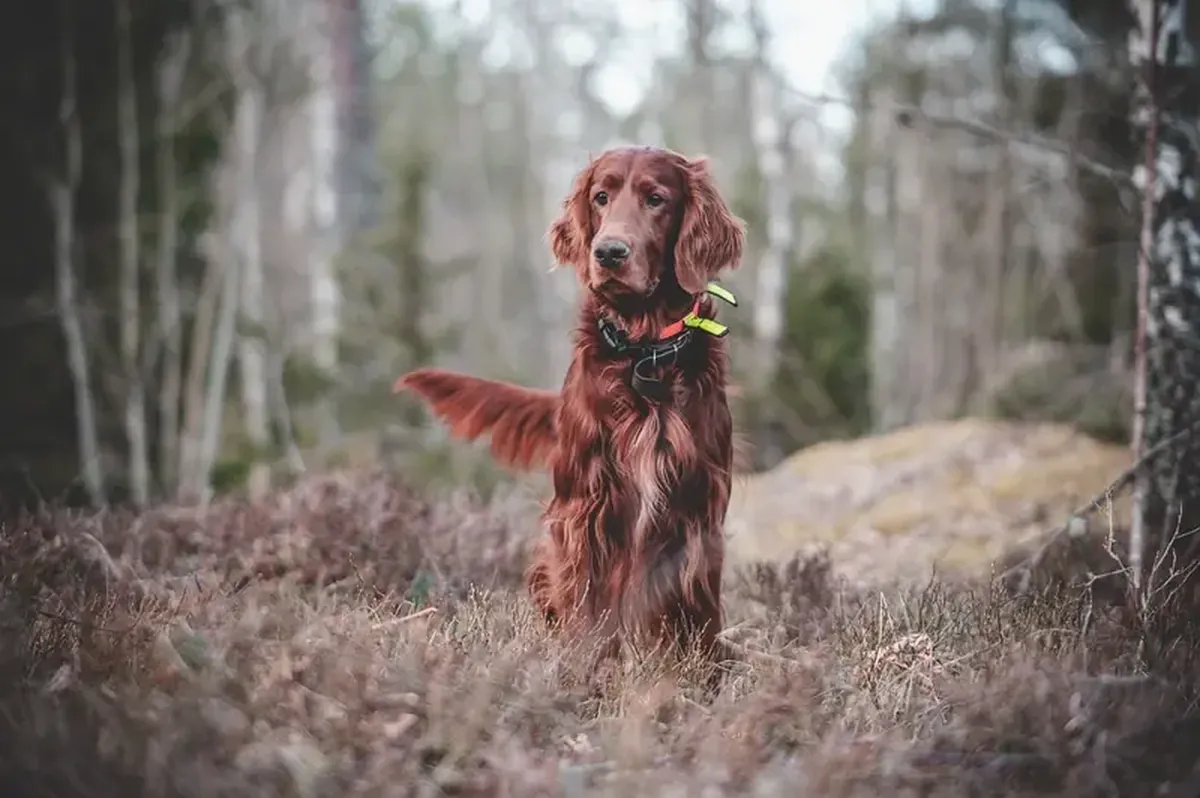
Although dogs were bred to be obedient and responsive, they are domesticated wolves—predators at heart. Animal-protection organizations say domestic dogs are responsible for more attacks on wildlife than cats. Researchers reported that off-leash dogs were a primary cause of the near-total disappearance of a colony of little penguins in Tasmania. In New Zealand, one escaped dog killed around 500 brown kiwis in just five weeks when the total population was only about 900 individuals. Off-leash dogs love to chase animals and birds. That may seem harmless, but those pursuits can exhaust migratory birds, forcing them to expend more energy. Dogs also attack the offspring of birds nesting on beaches, including species that are endangered. The mere presence of dogs frequently frightens wildlife. Even on leashes, dogs make wild animals tense and alert. In the U.S., for example, deer are more likely to flee from a person with a dog than from a person alone. Some mammal species perceive dogs as a greater threat than coyotes.
Environmental Pollution
Researchers have called attention to several impacts that are often overlooked. Dogs introduce chemicals into wildlife habitats. They mark trees and poles with urine and leave feces across the landscape. Medications people use to protect their pets from parasites can linger on fur for weeks and wash off when dogs swim in bodies of water. Some of those products contain ingredients that are highly toxic to aquatic life. Scientists have also found that when chickadees collect dog fur for their nests, it can increase chick mortality. Waste is another form of pollution. Over an average lifespan of 13 years, a typical dog produces about a ton of feces and 2,000 liters of urine.
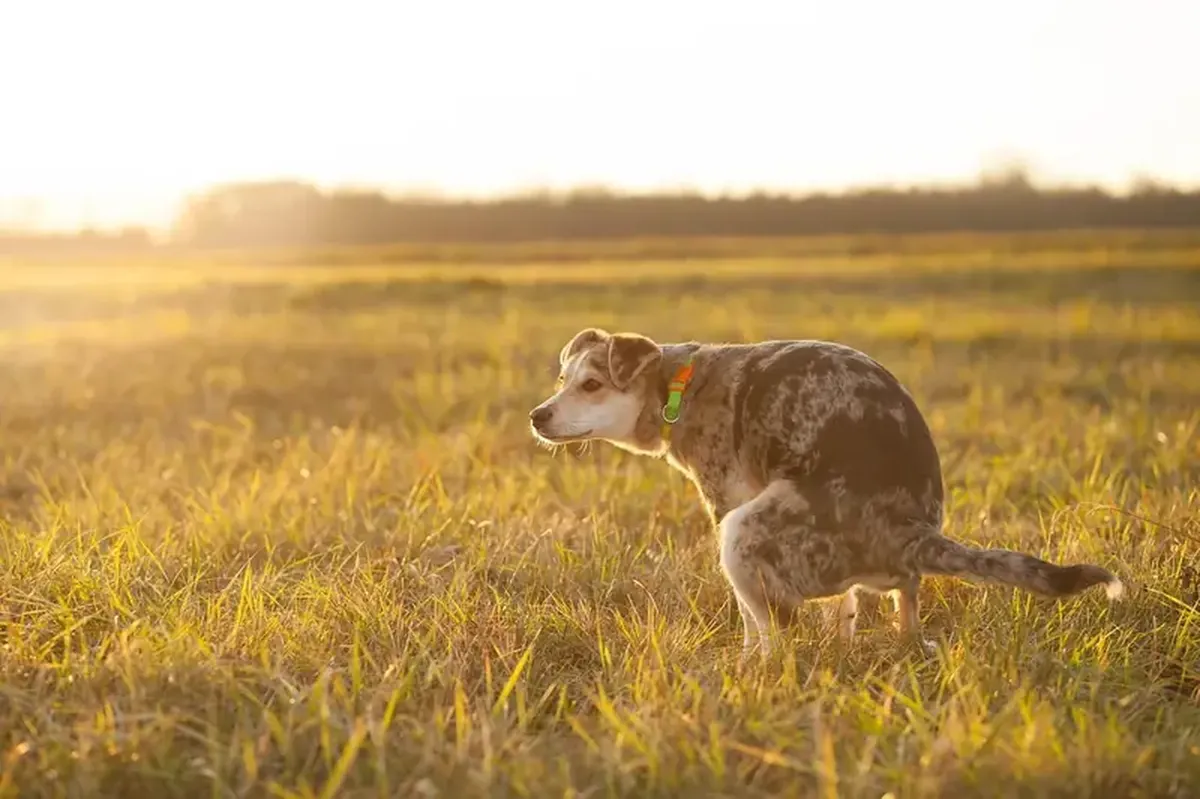
This mountain of waste contributes nitrogen to waterways, alters soil chemistry, and can spread disease among humans and animals. Millions of cows and chickens are raised worldwide to produce food for pets, which contributes to substantial greenhouse gas emissions.
We Don’t Want to Think About It
We love our dogs. They make us feel healthier, physically and mentally. And we often don’t want to acknowledge that they can cause harm. The point of this research is not to stop adopting pets. It’s to remember what that choice means for our responsibility to the planet. Being a good dog owner means caring not only for our animals but also for the natural world around us.
