
 Gaby
Gaby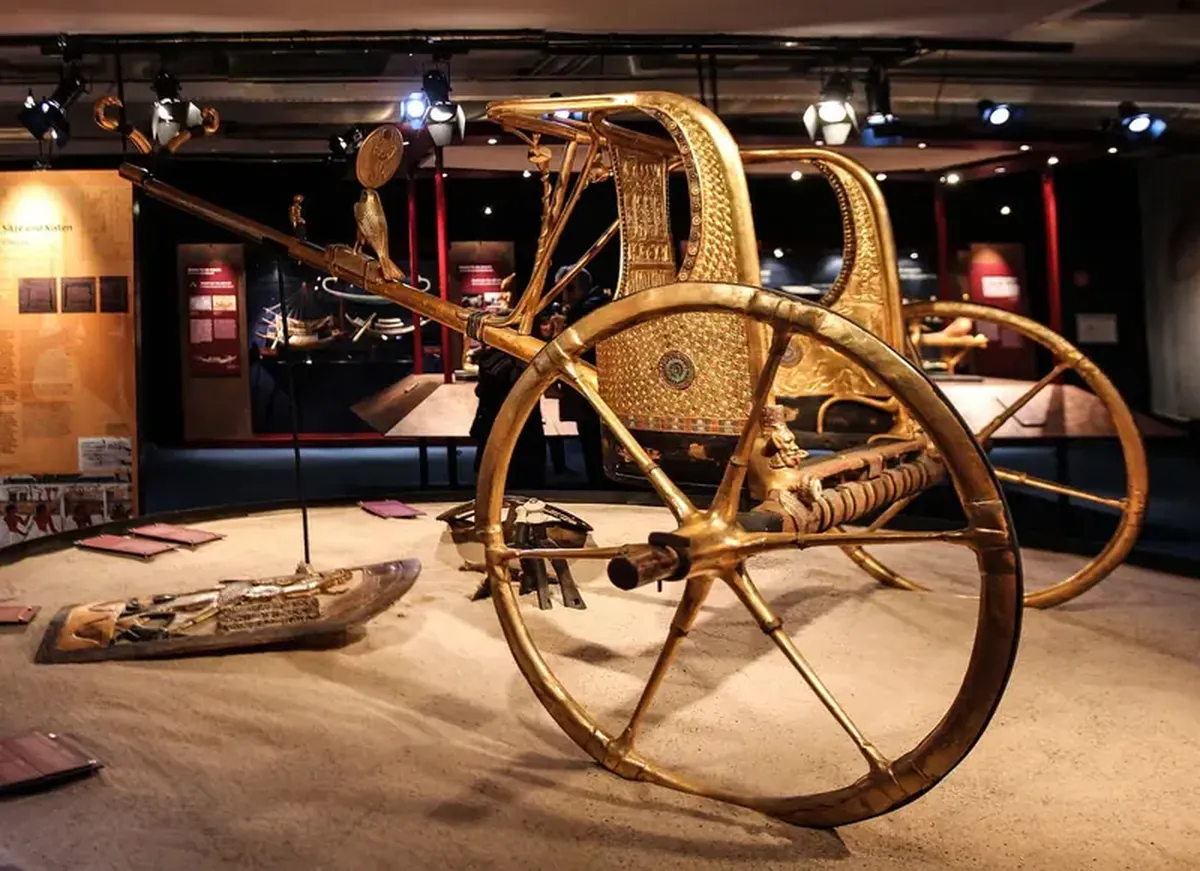
Tutankhamun remains one of Ancient Egypt’s most famous pharaohs. He reigned about 3,000 years ago, taking the throne at 9 or 10 and dying at 18. The cause of his early death is still a mystery. For years researchers thought he died of malaria contracted through an open wound. But recent work suggests the circumstances may be very different.
Egyptologist Sofia Aziz has proposed a controversial new theory. She suggests Tutankhamun was a kind of “golden youth” who may have been involved in a chariot accident while driving under the influence. That crash could have caused a broken leg that later became infected and proved fatal.
How It All Began
Tutankhamun’s tomb was discovered in the Valley of the Kings by Egyptologist Howard Carter in 1922. Several months were spent cataloging the antechamber. The burial chamber and sarcophagus were uncovered and opened in 1923. It took another 10 years to clear the tomb of the numerous treasures and items buried alongside the ruler’s mummy.
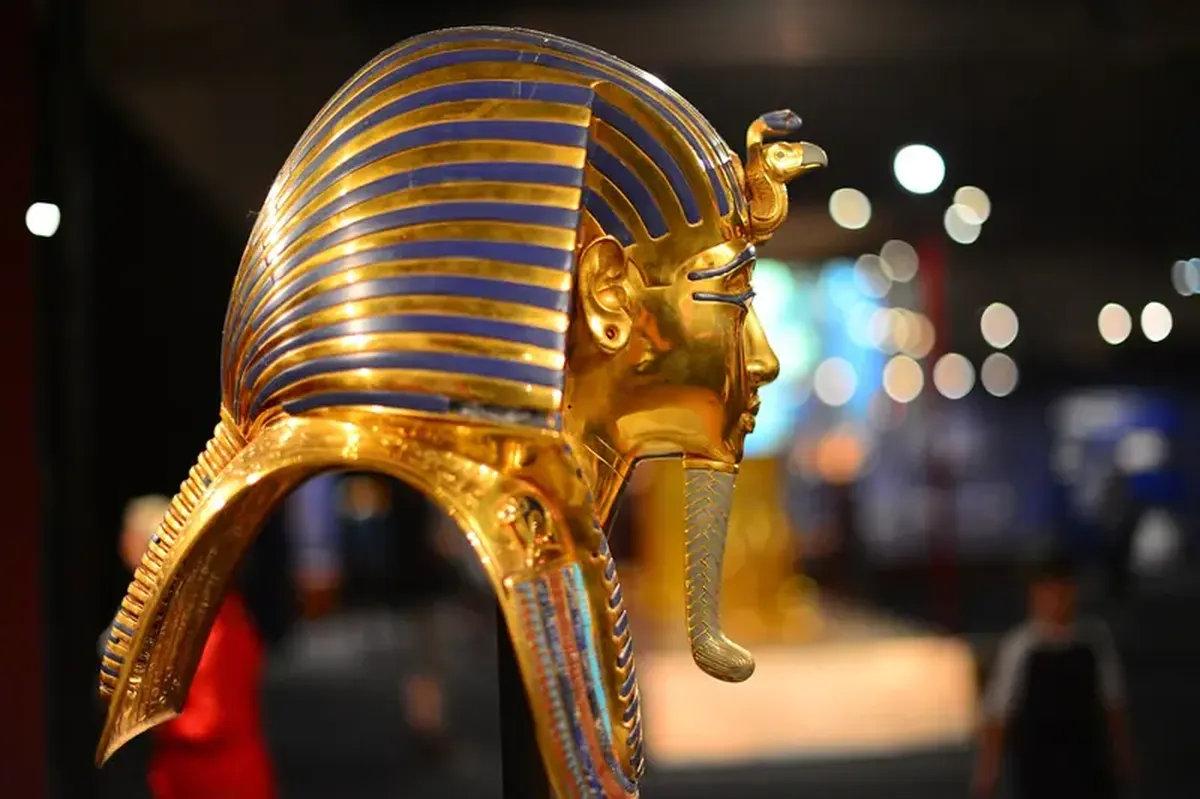
Since then, Tutankhamun’s tomb has become one of the most studied sites, and the figure of the ruler continues to spark debate among researchers. In 2010, a team of Egyptologists conducted the most extensive radiological study of the pharaoh’s mummy. The primary goal was to uncover the reasons behind Tutankhamun’s early death.
The 2010 study suggested the pharaoh needed a cane because of Kohler’s disease. The team also reported a clubfoot on the left foot and fewer than five toes on the right. But the researchers concluded those conditions didn’t cause his death; instead they pointed to a broken leg. The cause of that fracture remains unknown.
Not Disabled, but a True Warrior
Ms. Aziz rejects previous conclusions about the pharaoh’s disability. To support her claims, she points to items found in the tomb. In Ancient Egypt, the deceased were commonly buried with everyday objects thought to be useful in the afterlife.
Aziz highlights the presence of six chariots, armor, and wine storage in Tutankhamun’s tomb. She says those items suggest the young ruler was not disabled and that he rode chariots as a “warrior pharaoh.”
She believes Tutankhamun struck the chariot’s side while driving, causing life-threatening injuries. Aziz says the reported clubfoot didn’t actually exist.
She argues that the appearance of deformity was a distortion caused during the mummification process—tight wrappings and resin, she told the Daily Mail.
The mummy’s straight, well-aligned leg bones support her view. If he had had foot deformities or a clubfoot, walking would have been difficult, she says. The long, straight bones contradict those assumptions.
Aziz says she’s seen many mummies with clubfoot; Tutankhamun’s shows no evidence of disability. She suggests the canes found in the tomb may have been royal symbols rather than proof of impairment.
Who Knows What Really Happened
But Professor Albert Zink, who helped lead the 2010 study, says the findings still stand. He points to CT scans that show foot deformities and other leg ailments in Tutankhamun.
Zink says there’s clear evidence of walking impairments, especially bone necrosis. He doesn’t rule out a serious chariot injury, though.
Zink doubts the claim that the pharaoh was driving under the influence. He adds that, given the acute stage of bone necrosis in Tutankhamun’s foot, it’s hard to imagine the pharaoh could have ridden a chariot while standing. While the pharaoh did have a broken leg, the exact cause of the injury remains unknown.
Aziz concedes some of Zink’s points. She says we may never know exactly how the most famous pharaoh of Ancient Egypt died; only new discoveries about his internal organs might shed more light.
