
 Carlos Solis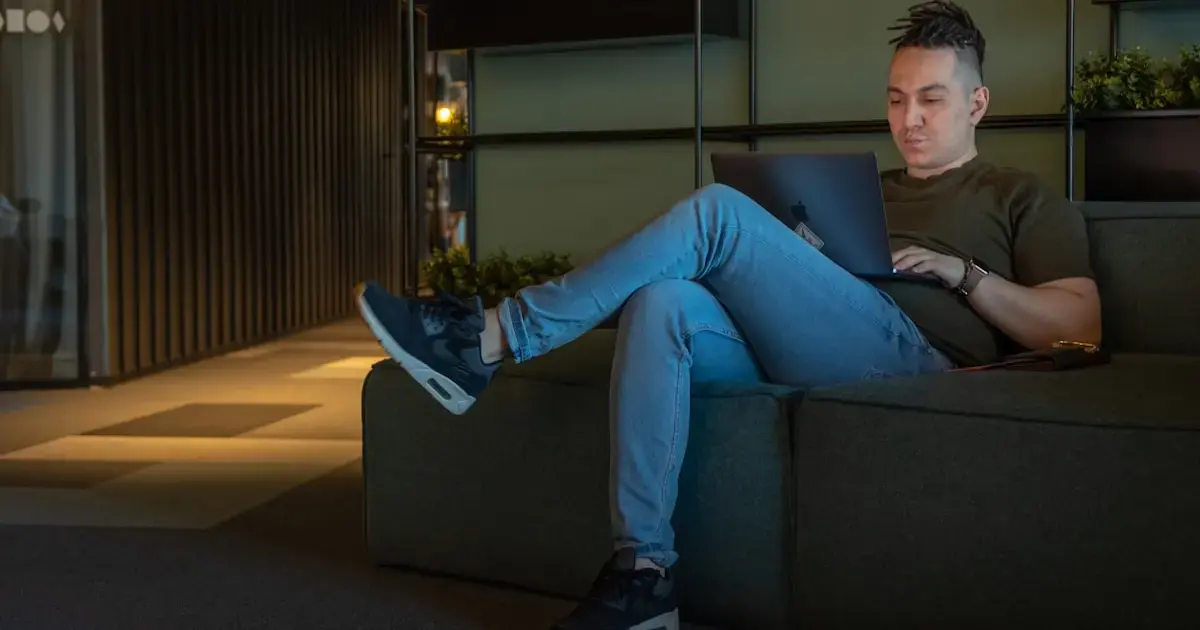
It’s long been known that prolonged immobility can lead to dangerous blood clots. But few people consider that the same risk exists in the office. Spending hours sitting at a desk—especially in a position millions find comfortable, like crossing your legs—can cause health problems, the Daily Mail warns.
What is “e-thrombosis”
Tristan Halbert, head of Vivid Care, explains that sitting with crossed legs restricts blood flow in the lower limbs. This can lead to the formation of blood clots—a condition called “e-thrombosis.” The term first appeared in 2003 and refers to clots that develop after hours of sitting at a computer or in a gaming chair. “Veins get compressed, blood flow slows down, and the risk of clot formation increases,” Halbert says.
Why this is life-threatening
If a clot breaks loose and travels to the lungs, it can block an artery and cause sudden death. That condition is called pulmonary embolism (PE). PE often develops from deep vein thrombosis (DVT), which affects the veins in the legs. Symptoms of DVT include pain, swelling, redness, or warmth in the leg. Symptoms of PE include sudden shortness of breath, chest pain, a rapid heartbeat, or coughing up blood.

Simple tips for maintaining health
The expert recommends three key rules:
- Keep your feet flat on the floor; avoid crossing them or tucking them under the chair;
- Stand up and move at least once every 90 minutes;
- Do simple exercises: stretch your legs, rotate your ankles, and take short walks.
Even a short tea break can help restore normal blood circulation. If you forget to take breaks, set a timer on your phone.
Why this matters
According to the National Health Service (NHS) in the UK, around 25,000 patients in the country’s hospitals die each year from preventable blood clots. These figures show that small changes in sitting habits and taking regular movement breaks can save lives.
“Your future self will thank you for giving your legs a break today,” Halbert concludes.
Photo: Unsplash
