
 Gaby
Gaby
Consumer protection experts at the British organization Which? have been fielding a wave of complaints from shoppers about rancid olive oil. At the same time, the price of olive oil has roughly tripled over the past three years.
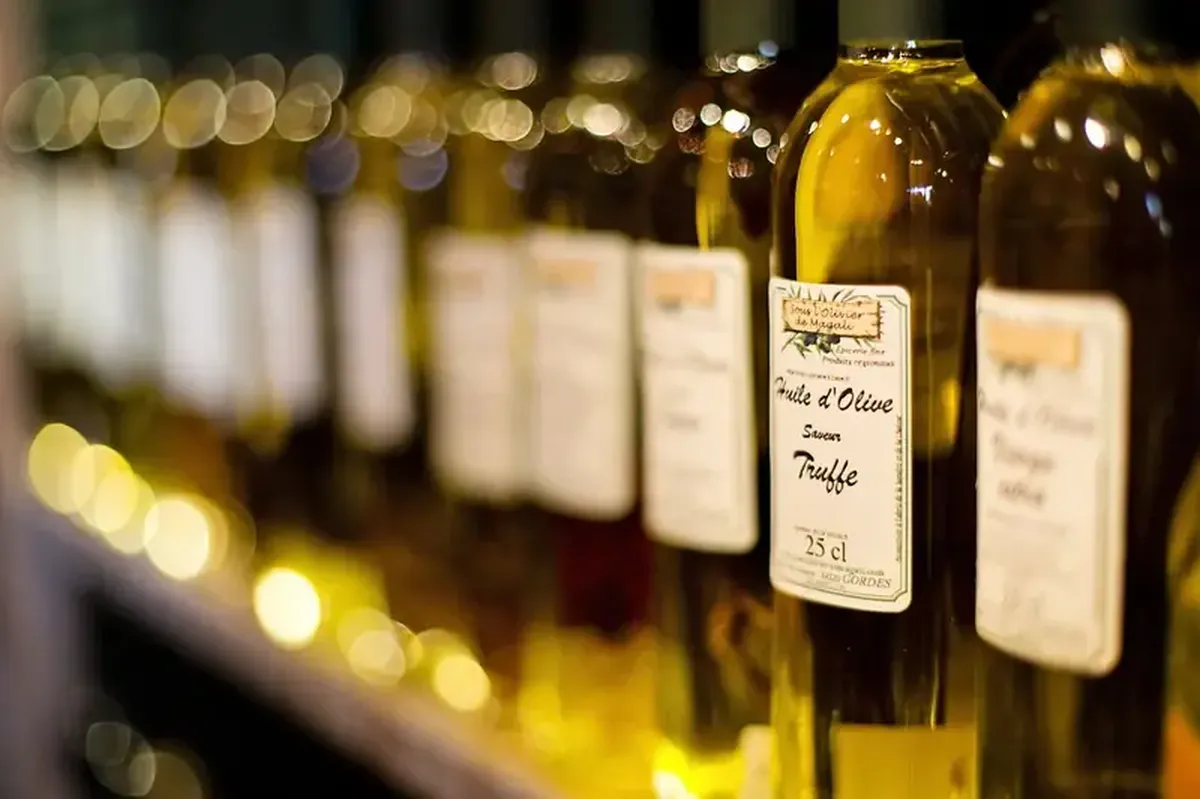
Common olive oil storage mistakes
Many people keep olive oil near the stove for easy access. But experts warn that heat can make the oil go rancid faster.
They recommend keeping olive oil in a cool, dark place.
Which? says, “Storing olive oil in a cupboard shielded from light, heat, and oxygen will extend its shelf life and prevent it from spoiling too quickly.”
Unlike wine, olive oil does not improve with age, so it’s not wise to leave a bottle in the cupboard for years. “Once a bottle is opened, the oil is exposed to oxygen, which causes it to deteriorate,” the experts added.
They recommend consuming olive oil within a few months for maximum flavor and health benefits.
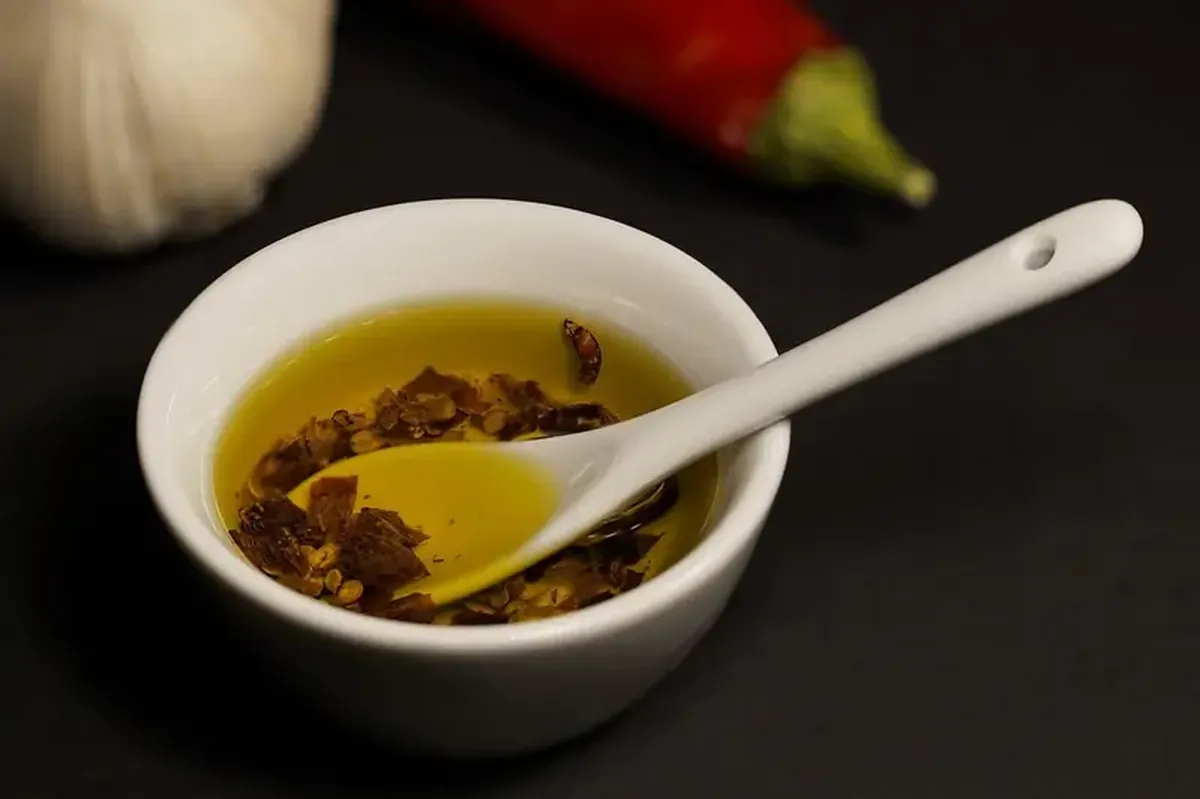
Which? advises keeping olive oil as far away from heat sources as possible, but storing it in the refrigerator is also a bad idea. Contrary to earlier beliefs, chilling olive oil isn’t ideal — a cool, dark cupboard is a better option.
Pay attention to the packaging. Avoid buying oil in clear plastic bottles, as those containers can degrade the flavor. Ideally, choose a bottle made of dark glass. Dark glass blocks light and helps prevent the oil from spoiling on store shelves and in your kitchen.
A brief history of olive oil
The process of pressing olives for oil began in Europe around 3000 B.C., according to the Daily Mail.
Historians believe the olive tree spread from Syria to Greece through Anatolia and gradually became popular throughout the Mediterranean as the ancient Greeks settled the region.
The Roman author Cato described agricultural techniques for growing olives in his work “On Agriculture” in the 2nd century B.C.

The ancient Greek poet Homer referred to first-press olive oil as “liquid gold,” while the physician Hippocrates called it “the great healer.”
References to this Mediterranean product appear in the religious texts of Judaism, Christianity, and Islam, as well as in the sacred writings of ancient Egypt, Greece, and Rome.
For centuries, the olive tree has been a symbol of life, renewal, resilience, and peace. Olive oil has represented purity, protection, health, and light.
