
 Gaby
Gaby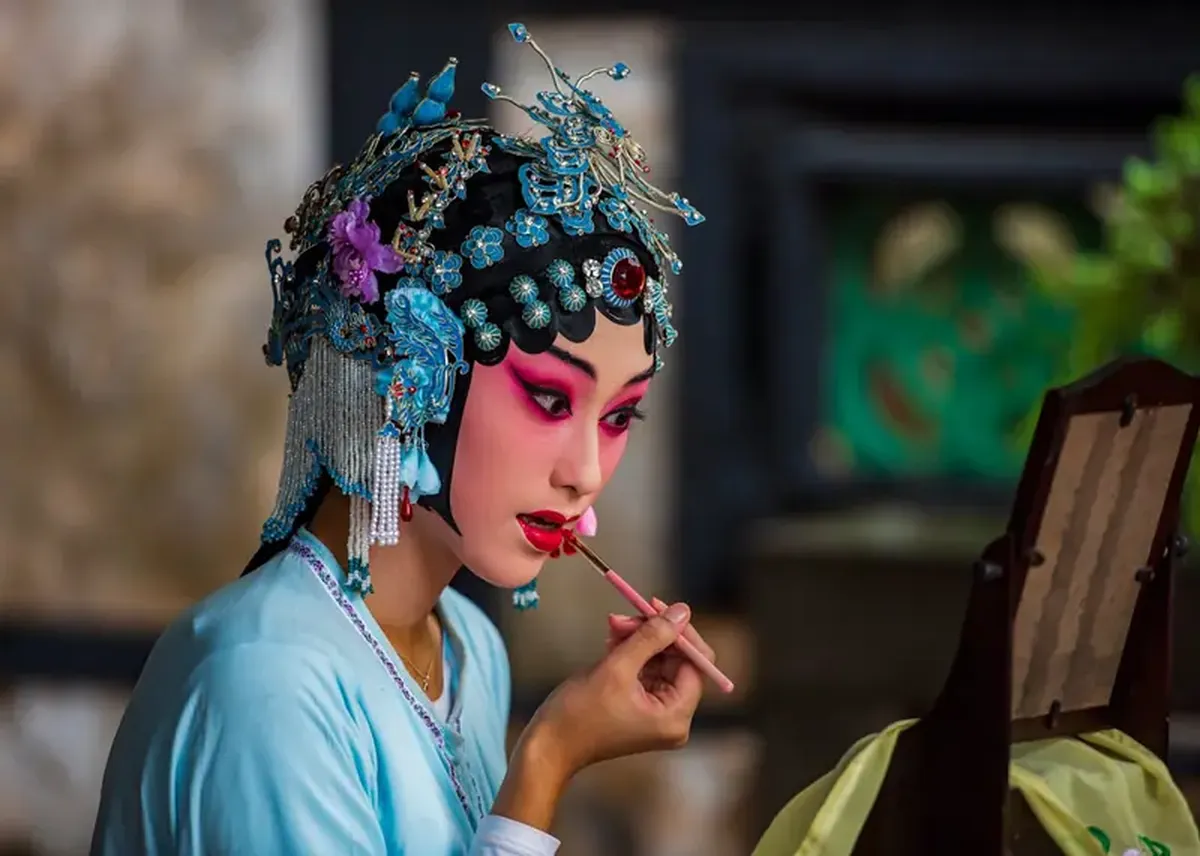
Archaeologists have found that cosmetics were thriving in China during the Tang Dynasty (618–907 AD).
A new study in Archaeological and Anthropological Sciences shows China produced cosmetics similar to modern blush and lipstick. Popular products included moisturizers made from ruminant animal fat and eyebrow dyes made from graphite powder. Cosmetics were mostly used by the wealthy.
The team examined thousands of tombs in the Tang capital, ancient Xi’an, and found people not only developed cosmetic recipes but also refined them.
For example, a moisturizer made from ruminant fat included a small amount of cabbage seed oil. That made it easier to apply than pure fat, especially during the cold, dry winters of northern China.
Archaeologists also found evidence of decorative cosmetics. They discovered organic residues of products made from oils, moths, and plant extracts stored in shells.
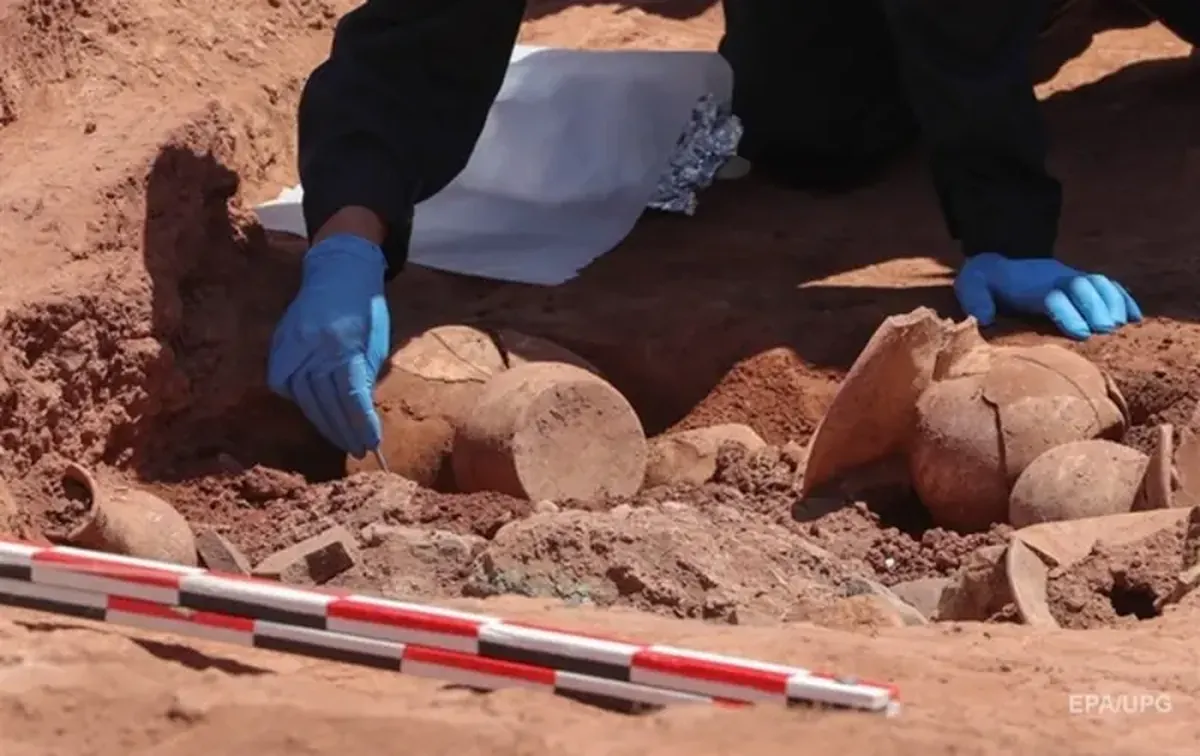
One of the skincare products found at the excavation site was likely made from a mixture of rosin and plant pigments.
“A piece of graphite ore was used as eyebrow makeup, while a mixture of cinnabar and animal glue served as lipstick or blush,” the researchers said.
They also found traces suggesting some cosmetic products may have contained mercury, a highly dangerous substance, according to The Independent.
The archaeologists concluded that during the Tang Dynasty, cosmetics were diverse and made from a wide range of raw materials, including plants, animals, and minerals.
