
 Carlos Solis
 Oxytocin is the same hormone the brain produces when a mother rocks her baby or when loved ones embrace. Research has shown that oxytocin is also crucial for forming the bond between cats and humans.
Scientists have long known that friendly interactions trigger the release of oxytocin in pets and their owners, strengthening the connection between them. But until recently, little was known about how this chemistry applies to cats, says Laura Elin Pigott, a neuroscience and neurorehabilitation researcher at London South Bank University.
The Chemistry of Love Isn’t Just for Humans
Cats have a reputation for being quite independent creatures, which means they express their affection in subtler ways. However, their owners often report experiencing the same tender feelings, as well as companionship and stress relief, as dog owners do. And research is increasingly confirming this, says Pigott.
For instance, in 2021, Japanese scientists reported that short sessions of petting cats increased oxytocin levels in many owners.
During this study, women interacted with their cats for several minutes while researchers measured the participants’ levels. The results showed that friendly contact (petting the cat, speaking in a gentle tone) was associated with increased oxytocin levels in the participants’ saliva compared to a period of calm relaxation without the cat.
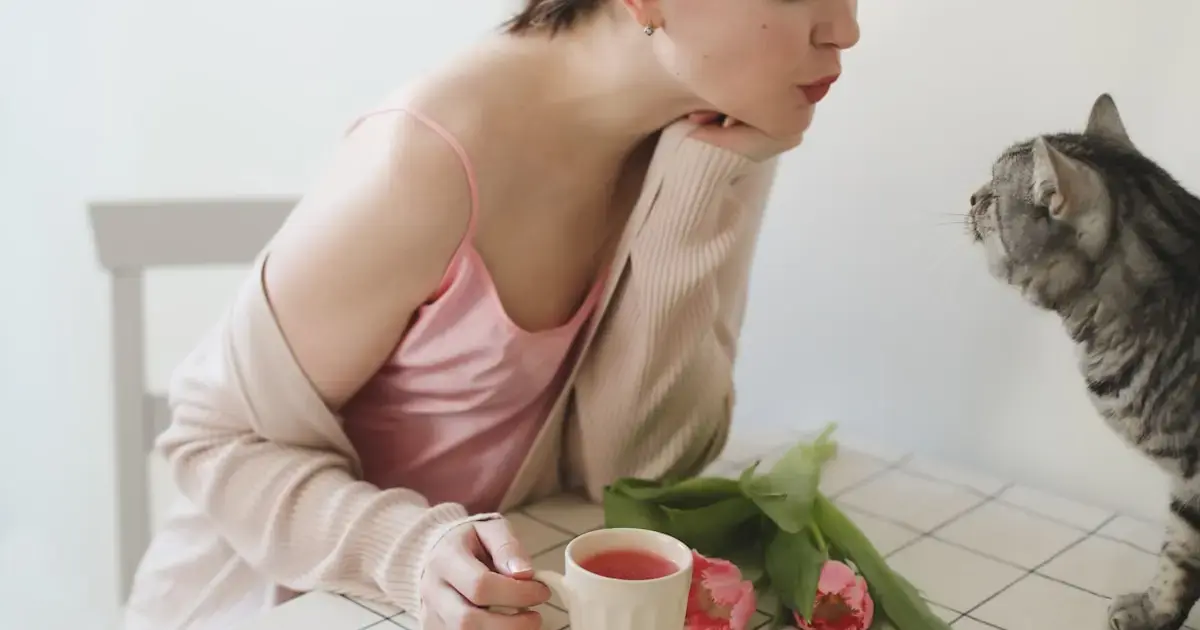
Numerous scientific studies have also confirmed that petting a purring cat is soothing. This effect is not solely due to their soft fur; the act of petting and the sound of purring can trigger the release of oxytocin in the brain.
In this context, Laura Elin Pigott recalled a recent study showing that when owners pet, hug, or rock their cats, the owners’ oxytocin levels increase. The cats’ oxytocin levels also rise, provided the interaction isn’t forced on the animal.
The study also looked at cats that don’t respond affectionately—those that seem aloof or anxious when their owner shows affection. In those cats, oxytocin levels fell after forced hugs.
Unlike dogs, cats do not require prolonged eye contact to establish a connection. Instead, they use more subtle signals. The most well-known of these is slow blinking, which serves as a cat’s version of a smile and conveys a message of safety and trust.
Meanwhile, the low-frequency purring of cats is associated not only with healing effects for the cats themselves but also with benefits for humans. These sounds help lower heart rate and blood pressure. Science Alert reported that oxytocin contributes to these effects.
Daily interactions with a cat, supported by small releases of oxytocin, can serve as a buffer against anxiety and depression.
Do Cats Love Us Less Than Dogs?
Indeed, many studies have demonstrated a stronger oxytocin response during interactions between humans and dogs. For example, in a 2016 experiment, scientists measured oxytocin levels in pets and their owners before and after a 10-minute play session. In dogs, this level increased by an average of 57 percent after play, while in cats, it only rose by 12%.
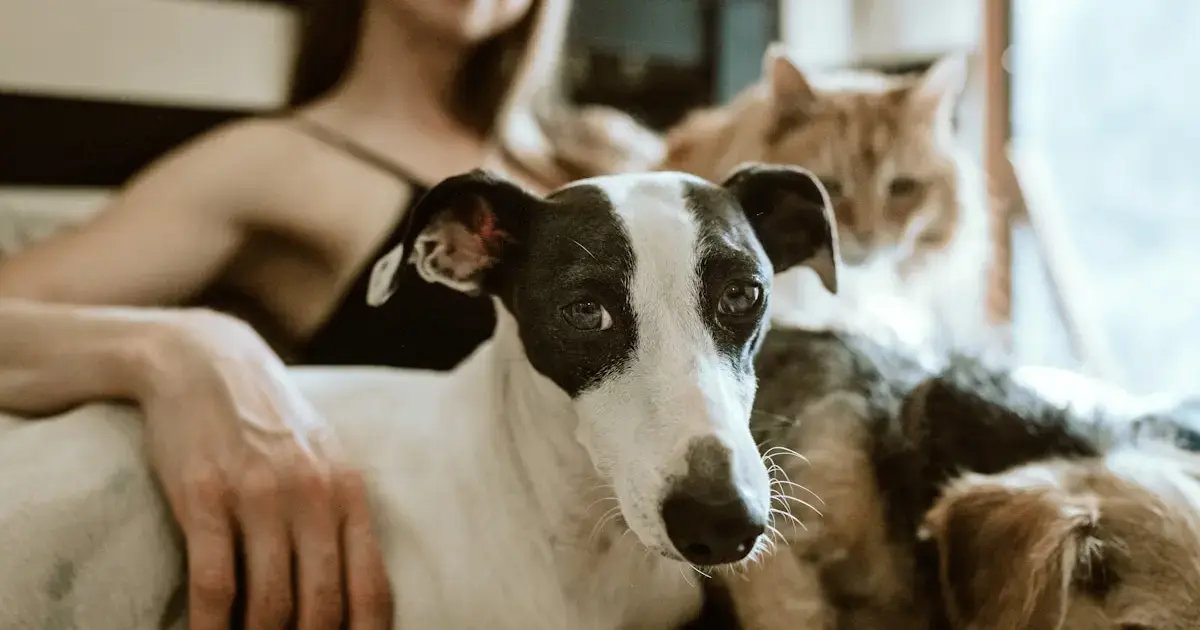
Dogs were bred for constant interaction with humans. They were inherently programmed to seek eye contact, affection, and approval from us—behaviors that stimulate oxytocin production in both parties.
Cats, on the other hand, evolved from solitary hunters who did not require special social contacts for survival. Therefore, they do not exhibit oxytocin-triggering behaviors as frequently or consistently, says Pigott. A cat’s trust does not come automatically; it must be earned.
And when that chemical bond finally forms between a person and a cat, it is reinforced by oxytocin—the chemical responsible for our warmest feelings toward parents, loved ones, and friends.
Photo: Unsplash
