Around 20 enormous pits, arranged in a circular formation, were dug during the late Neolithic period and are more than 4…
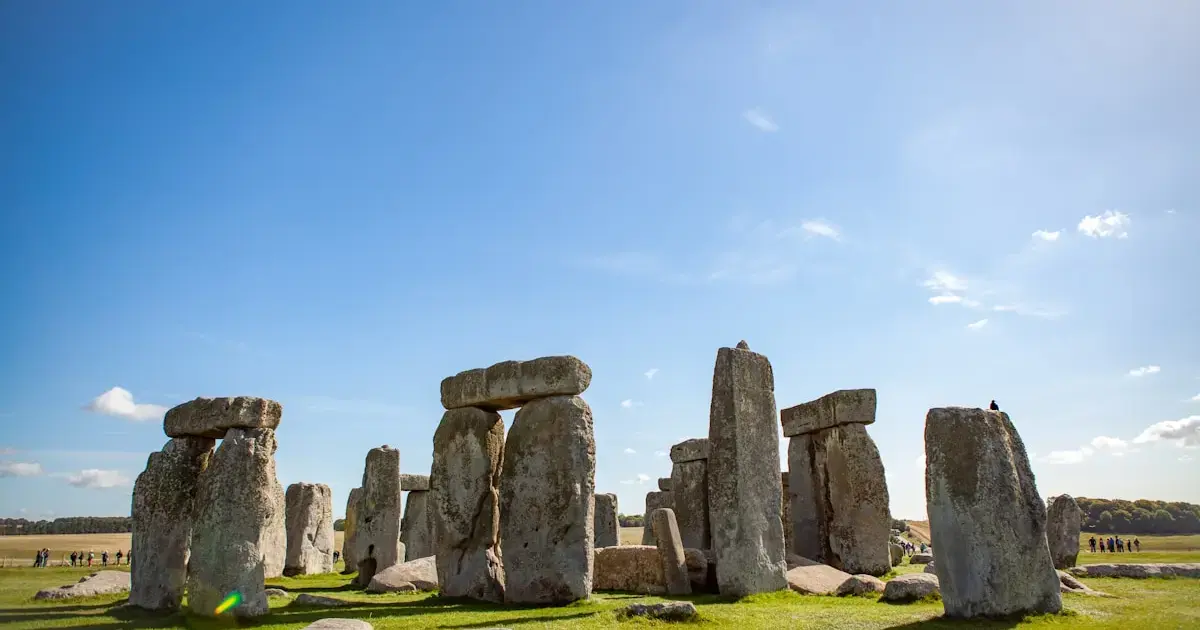
Around 20 enormous pits, arranged in a circular formation, were dug during the late Neolithic period and are more than 4…
Researchers from the British Geological Survey (BGS), Cardiff University, and University College London have examined a cow tooth intentionally left near the entrance of Stonehenge during its construction between 2995…
New genetic evidence suggests the ancient Britons—builders of Stonehenge—likely had dark skin. A new study by researchers at the University of Ferrara (Italy) found that most Europeans living 5,000 years…
A new study finds the altar stone of the monument—a central bluestone weighing six tons—probably traveled more than 700 kilometers. For more than a century archaeologists have known that Stonehenge’s…
The stones discovered near Stonehenge more than 200 years ago have turned out to be tools used to work gold. British archaeologists reached that conclusion after re-examining Bronze Age stone…
Dutch archaeologists have unearthed a 4,000-year-old religious site that local media are already calling the “Dutch Stonehenge.” The site features a burial mound that once served as a solar calendar.…

