
 Gaby
Gaby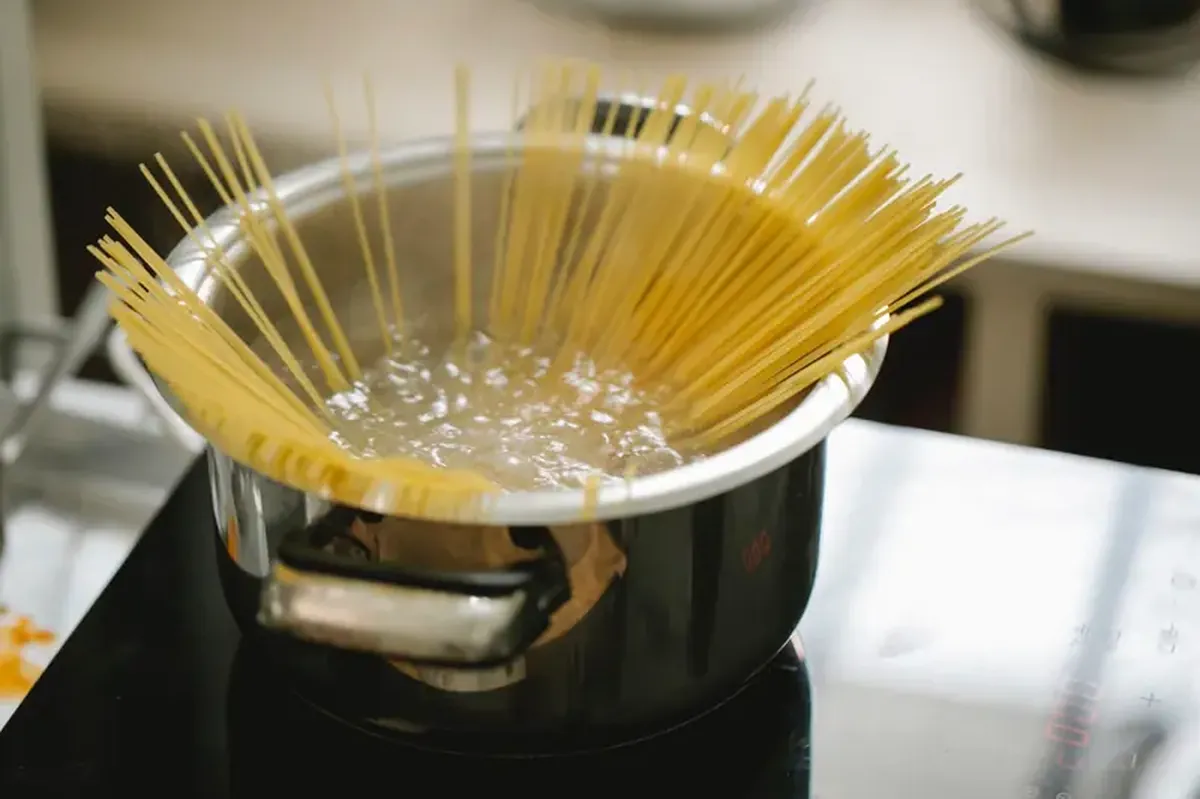
Giorgio Parisi, a Nobel Prize–winning physicist, has caused a stir in Italy with a culinary tweak. Italians are fiercely protective of their cuisine and have little patience for casual takes on traditional recipes — especially when it comes to pasta.
Parisi defended his meddling in a classic pasta-making method by pointing to rising gas and electricity prices. Not everyone was impressed.
It’s All About the Lid
Parisi suggested turning off the burner partway through cooking and covering the pot with a lid. Then let the hot water and steam finish the pasta until it reaches the desired consistency.
ScienceAlert says this method can cut the energy used to cook pasta by about half.
Parisi says the lid is crucial, which contrasts with traditional Italian methods that usually leave the pot uncovered while cooking pasta.
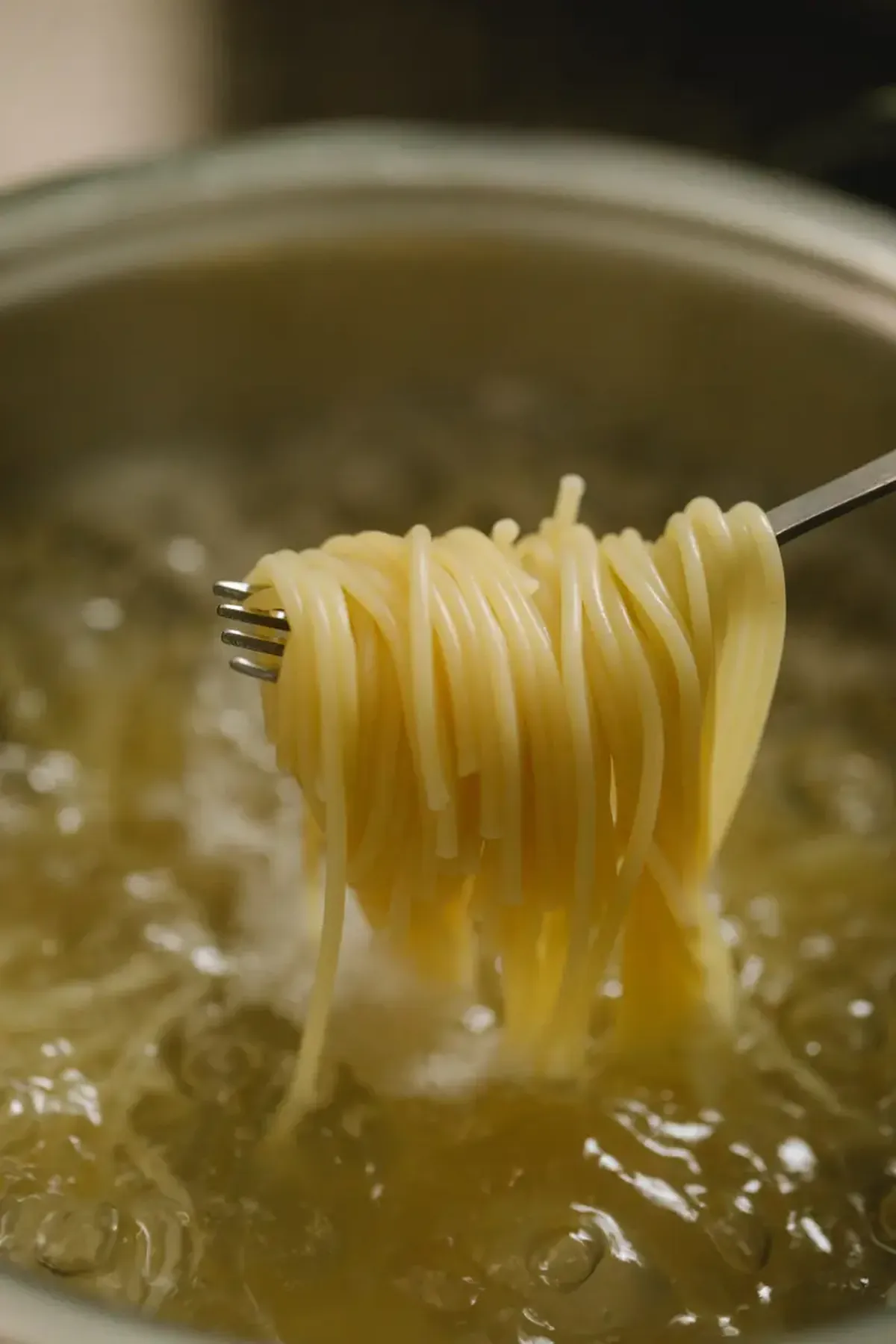
Conservative chefs were outraged. They argue Parisi’s energy-saving proposal violates standards Italians have followed for centuries. Michelin-starred Chef Antonello Colonna said pasta cooked this way becomes rubbery and should never be served in a respectable restaurant like his.
Critics and Supporters of Parisi
Is Parisi’s method actually effective with electricity and gas prices rising? And does pasta cooked this way really taste that bad?
The debate quickly spilled into the media, with scientists and chefs weighing in. Meanwhile, students Mia London and Ross Broadhurst at Nottingham Trent University in the U.K. decided to investigate for themselves.
They estimated that roughly 60 percent of the energy goes to keeping the water at a rolling boil. Parisi’s idea is to turn off the heat halfway through and let the pasta finish cooking in the residual heat. Simple calculations showed this can halve the energy cost of cooking pasta. The method is even more effective on ceramic hobs, which cool more slowly than gas or induction cooktops.
They suggested soaking dry pasta in cold water for two hours (no energy required), then plunging it into boiling water for just one to two minutes. Though the total time is longer because of soaking, the approach delivers big energy savings and, they say, a tasty result.
They also found that using half the usual water doesn’t affect the taste. But cutting the water to one-third of the usual amount ruins the dish.
The students also tried microwaving pre-soaked pasta. The microwave heated the water, but the pasta came out unappetizing and bland—not something to be proud of in Italian cuisine.
The students concluded you don’t need to be a famous chef or a Nobel laureate to cut your energy bills while still making delicious meals.
Giorgio Parisi, a professor at the University of Rome La Sapienza, won the 2021 Nobel Prize in Physics “for the discovery of the interplay of disorder and fluctuations in physical systems from atomic to planetary scales.”
