
 Carlos Solis
 Researchers studying ants have found that, for them, the larger the group involved in a task, the greater each individual’s contribution to the common goal. But with humans, it’s a different story.
If you’ve ever participated in a large group project, you might have assumed that more people would lead to better results in teamwork.
However, as new members joined the team, the effectiveness of each individual did not increase. In fact, it often declined. As the saying goes, too many cooks spoil the broth.
This decrease in the average individual contribution to group work as the number of group members increases is a paradox known as the Ringelmann effect. French engineer Max Ringelmann discovered it in 1913.
By measuring the force exerted by students pulling on a rope, he found that as more students joined the team, the total strength increased, but the average effort per person decreased.
This phenomenon is attributed to two main factors: the difficulties of coordination in large groups and social loafing — the tendency of individuals to reduce their effort when they feel less responsible for their contribution in a group.
Meanwhile, for ants, the situation is quite the opposite, according to researchers from the Max Planck Institute for Animal Behavior (Germany) and Macquarie University (Australia). Their new study, published in the journal Current Biology, showed that the Ringelmann effect does not apply to these tiny, industrious insects.
What Did the Scientists Discover?
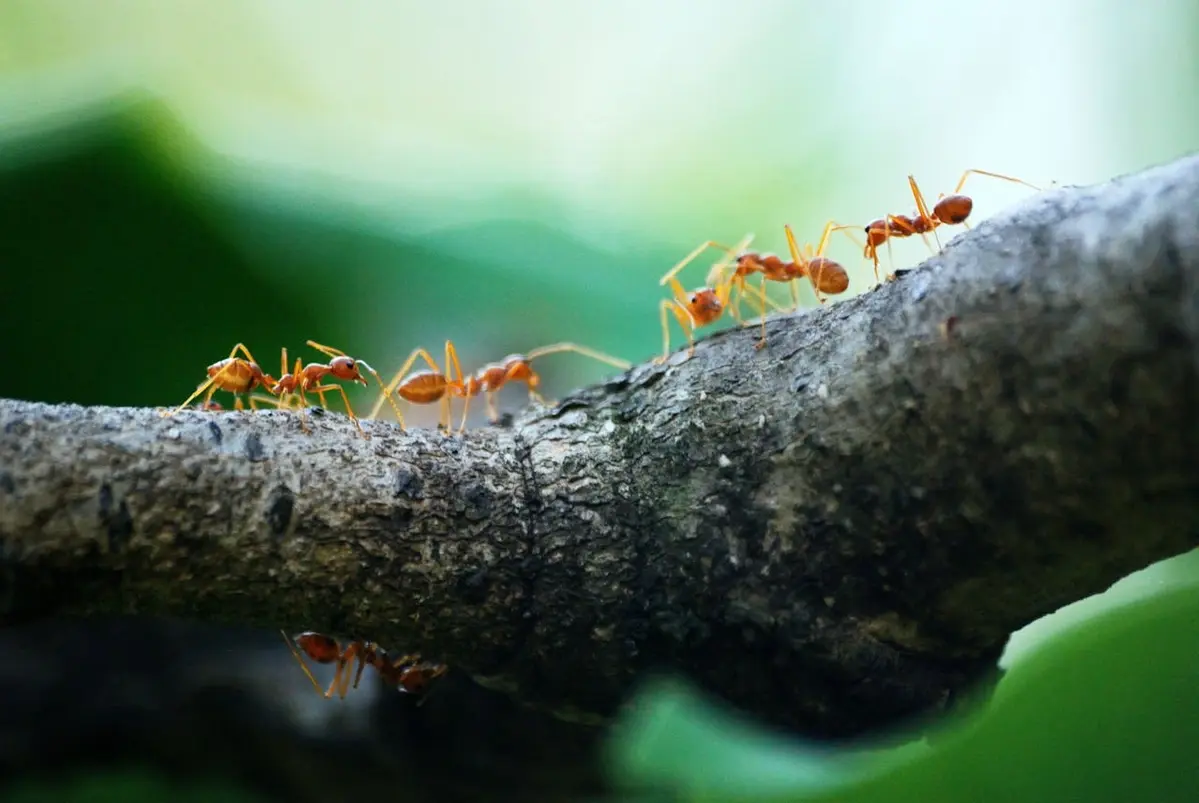
In the realm of collective work, ants are unmatched in the animal kingdom. They flawlessly execute complex tasks in colonies numbering in the millions. Among all species, the weaver ants (Oecophylla smaragdina) stand out as a prime example of effective workers.
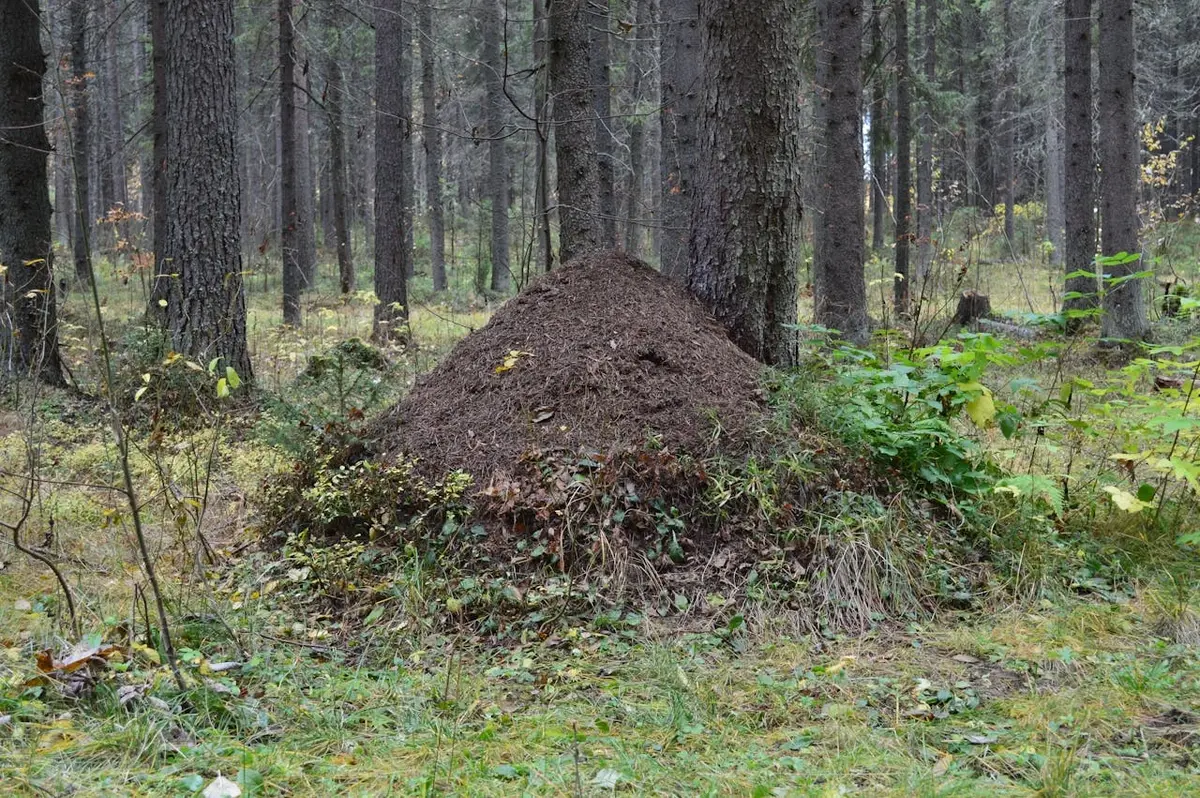
Typically, they build nests at the tops of trees by pulling leaves together and binding them with silk threads produced by their larvae. To accomplish this, ants form chains: each insect grips another by the waist with its jaws and pulls in unison. The mechanical advantages of these chains hadn’t been studied until now, as reported by Science Alert.
The researchers encouraged the ants to form chains and pull an artificial leaf made of paper attached to a force gauge that continuously tracked the team’s total strength. As some members left the team and new ones joined, the scientists observed in real time how the overall strength changed.
The results surprised the scientists. As more weaver ants joined the team, the total strength increased as expected, but the force produced by each individual ant also rose. In other words, individual weaver ants became more effective as the team grew.
Thus, weaver ants avoid the Ringelmann effect, demonstrating exceptional efficiency in their teamwork.
How Do Weaver Ants Achieve Such Efficiency?
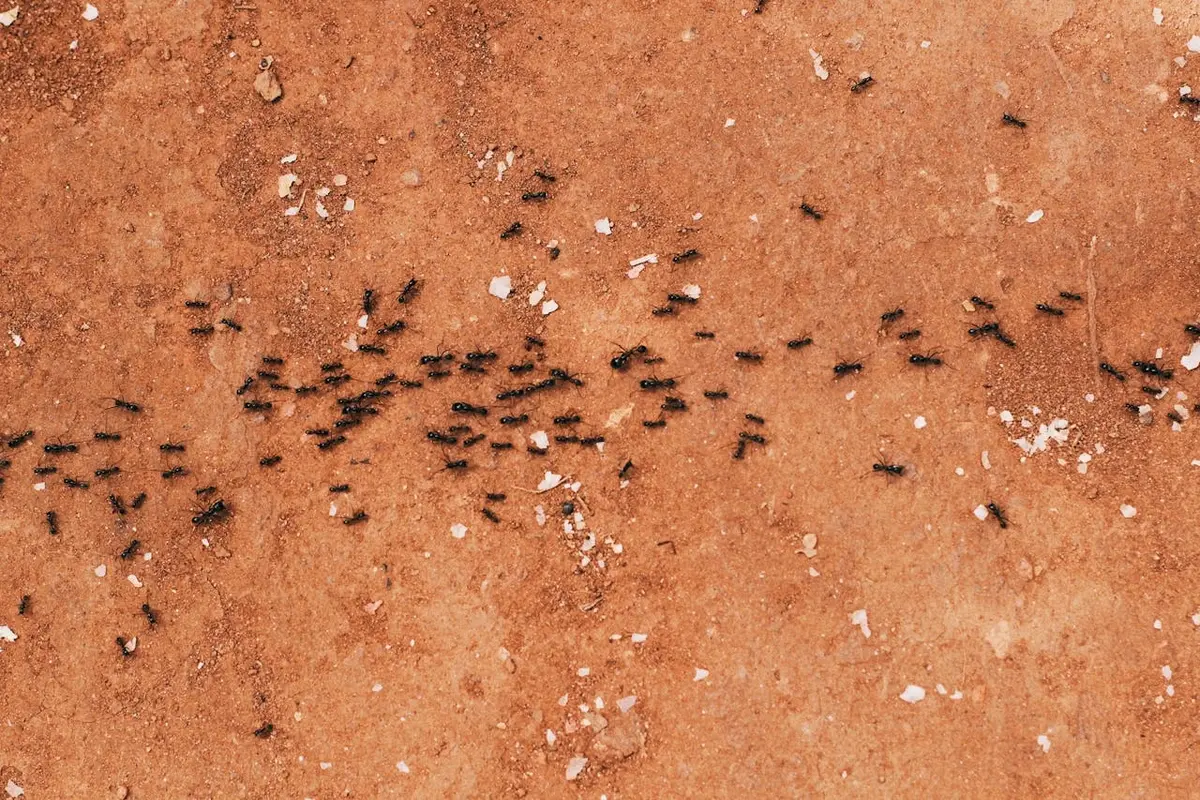
Is it simply due to adding new ants to the group? Not necessarily. This efficiency seems to depend on how the insects organize their work. Weaver ants performed best when lined up in a single long chain rather than in several short ones.
The scientists also noted that the posture of the ants varied depending on their position in the chain. Those at the tail end extended their hind legs; this posture helped them counteract the resistance of the leaf. Meanwhile, those positioned in the middle or at the front of the chain adopted a bent posture to pull more actively. This indicates a clear division of labor within the chain.
From their observations, the researchers proposed the “power ratchet mechanism.” The weakest link in the pulling chain is not the connection between the ants, but their grip on the ground.
When an ant pulls something on its own, slipping prevents it from exerting maximum force. However, in a chain, the rear ants act as passive supports, increasing ground contact and preventing slipping.
This allows the front ants to pull harder, accumulating effort and transmitting it through the chain.
Why Is This Research Important?
The scientists say this research has broad applications, particularly in robotics. In collaborative robotics, small and inexpensive robots are designed to work together on tasks that exceed the individual capabilities of any group member.
However, so far, teams of pulling robots have achieved at best linear scaling: doubling the number of robots doubled the output force. This means that while robots may not suffer from the Ringelmann effect, they are also not “super-efficient.”
Programming robots to mimic the behavior of ants (for example, the weaver ants’ “power ratchet mechanism”) could enhance their performance.
This research also challenges the universality of the Ringelmann effect. Sometimes, when it comes to teamwork, adding more participants can actually increase individual effectiveness. And if weaver ants were chefs, we could confidently say they would cook the best soup in the world.
Photo: pexels.com
