
 Gaby
GabyThe metaverse is referred to as a network of virtual worlds where people (their avatars) can interact with each other and with digital objects using virtual reality technologies.
For those involved in the development of digital technologies, the metaverse is the number one topic. While experts continue to debate the role of the metaverse in our lives, it is steadily gaining new ground.
In a future where the metaverse becomes a part of everyday life, participants at the recent World Economic Forum in Davos got a glimpse of what that could look like. During one discussion, Chris Cox, chief product officer at Meta Platforms, said the metaverse could one day be as indispensable as the smartphone is today.
Cox said the company has spent the past eight years building accessible, user-friendly VR products that are “quite impressive.” They can be used in gaming, fitness, industrial design, medicine, social connections, and more. Developers are also working on augmented reality (AR). The publication Designboom reported that Cox described advanced AR tools in development, like lightweight, comfortable AR glasses that could become part of daily life.
Despite developers’ intentions, many skeptics don’t share the belief that the metaverse will inevitably become mainstream. The recent collapse of Meta’s stock and the decline in VR sales suggest that the push for virtual worlds hasn’t caught on as quickly as expected. Still, Meta founder Mark Zuckerberg remains optimistic about the metaverse’s future.

A grand digital replica of the real world.
Analysts debating digital innovations urge a comprehensive and in-depth look at the metaverse to understand its pros and cons.
Holly Nielsen, a writer, narrative designer, and game expert in London, takes a critical view of the metaverse. She writes that the digital spaces created by tech companies can feel oppressive.
She says it’s not easy to define the metaverse. Is it a new kind of internet? A video game? A virtual experience? One common interpretation calls it a virtual world that runs alongside the real world—a continuous online space that exists independently of our presence.
One thing is clear: the grand design is based on the idea of creating a monumental digital replica of the real world.
The main problem, she argues, is that “metaverse” doesn’t point to a single specific technology. Rather, it’s a bulky, vague set of mostly speculative ideas about how we might interact with future technologies.
Supporters say the inconsistency exists because the metaverse is still being built, even though a lot of money has already been poured into marketing it. Meta, the most prominent potential beneficiary, isn’t the only company hoping to profit; other major players are also positioning themselves to benefit from VR.
So the metaverse—at times a digital equivalent of vast, empty cities—can feel like an invitation for users to spend money.
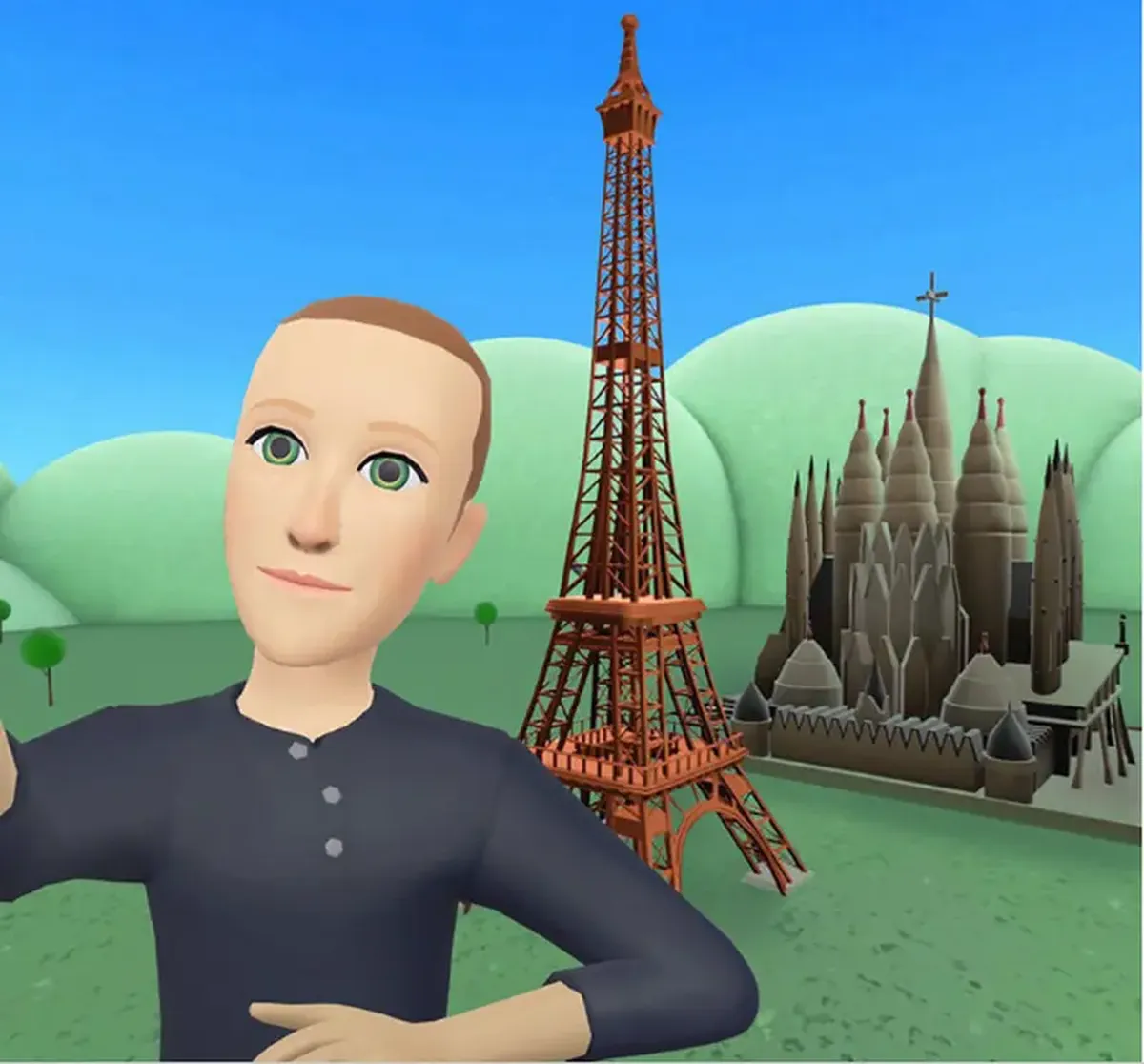
The metaverse is the aesthetics of communication and the freedom of self-expression.
Calling the future virtual platform a “digital shopping mall,” Nielsen also sees reasons to be optimistic about the metaverse.
Take the shortage of space: rent costs, the inability to buy property, and financial instability leave many people without private or affordable public spaces. Often, people also lack public places where they can socialize without spending extra money, the publication Dezeen writes.
This problem is especially familiar to young people, who are often discouraged from lingering in public places like parks and playgrounds.
Nielsen acknowledges the dangers and drawbacks of online spaces, but she also highlights clear positives—particularly the aesthetic appeal of interiors and exteriors.
In addition, an accessible metaverse can provide a sense of community, freedom of self-expression, and new ways to socialize.
It can help overcome the limitations people face in the physical world—for example, by making movement through environments easier or by enabling instant transport to geographically distant spaces and communities.

