
 Carlos Solis
Members of Generation Z, or Zoomers, were born in the late 1990s through the early 2010s. To older generations, they’ve developed a reputation for unusual eating habits. For example, many Zoomers openly admit they dislike certain foods, the Daily Mail reports.
A new study commissioned by British food producers identified 10 foods at risk of disappearing. The reason: low demand among young Britons, especially Zoomers, who simply ‘don’t eat that,’ the study found.
The researchers surveyed 2,000 adult Britons, asking which foods they had completely given up without any regrets. Six out of ten participants said they often dislike a food even before tasting it.
The highest level of aversion across a range of foods came from members of Generation Z.
What Foods Are Zoomers Avoiding?
Topping the list of foods disliked by Generation Z is liver, which more than a third of surveyed Zoomers (35 percent) avoid.
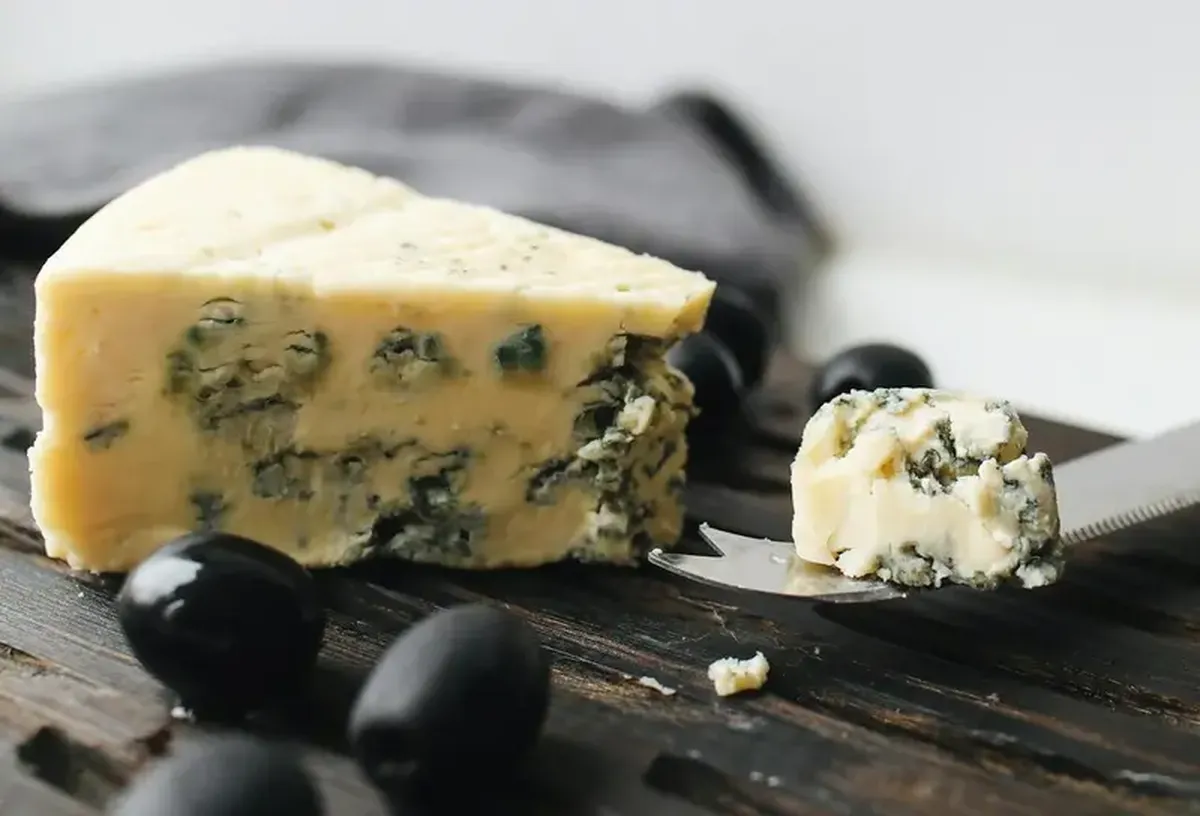
In second place is another food that 32 percent of this age group typically refuse to eat. They feel similarly about anchovies, with 30 percent saying they don’t eat them. Blood sausage also made the list, landing in fourth place with 29 percent. Shrimp are shunned by 26 percent of Zoomers, while duck dishes are avoided by 25 percent. Rounding out the top ten are a pair of other foods and tofu (all at 23 percent), and other plant-based cheeses (21 percent).
Transformations in Eating Habits
This survey was conducted shortly after another study revealed that iconic British dishes are at risk of disappearing within the next five years.
Researchers surveyed 2,000 adults in the UK and examined trends in online searches for popular dishes to see how eating habits have changed.
The results were disheartening for those who cherish national culinary traditions. Researchers found that the Glamorgan sausage could vanish from British diets as soon as November 2025. Meanwhile, the classic Welsh dish known as tatws pum munud (‘five-minute potatoes’) is expected to lose popularity by Christmas. The iconic shepherd’s pie, which originated in northern England and Ireland in the late 18th century, is projected to disappear by June 2027.
While researchers acknowledge changes in young people’s food preferences, they don’t advocate intervening in those lifestyles. They do emphasize that culinary traditions are an important part of national history and culture that should be preserved for future generations.
Photo: pexels.com
