
 Gaby
Gaby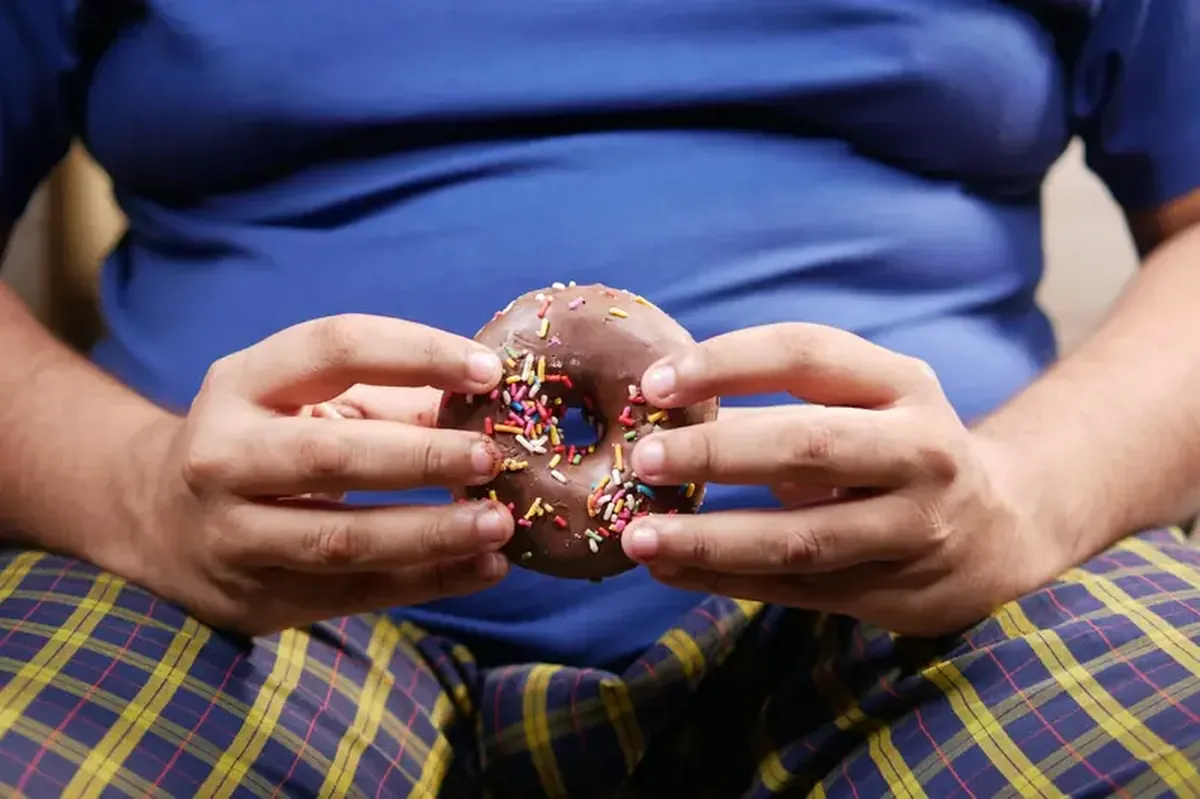
There’s always room for dessert, a team at the Max Planck Institute for Metabolism Research in Germany found. The so-called “dessert stomach” does exist — but it’s not in your belly; it’s in your brain.
After a big meal, we often feel so stuffed we can barely breathe. Then someone says “cake,” and suddenly we find the strength to eat another piece or two.

Why Does This Happen?
Researchers found why it’s so hard to resist sweets when we’re full. The same brain process that signals satiety after a meal also drives our craving for sugar.
Dr. Henning Fenselau, the study’s lead author, said, “Like many people, I find it hard to say ‘no’ when there’s an opportunity to eat a chocolate dessert. From an evolutionary perspective, sugar provides quick energy and was hard to find in nature, so our caveman brain is wired to seek it out whenever possible.”
During the study, Fenselau’s team fed mice pellets of their regular food, which contained just 3 percent sugar. Then the rodents were offered the same amount of that food or sweet pellets containing 35 percent sugar.
It wasn’t surprising that the mice ate very little of the regular food. But when the dessert pellets were offered, they didn’t hesitate and ended up consuming six times more calories overall. Their brains lit up in an area known as the paraventricular thalamus. POMC neurons released endorphins, and the pleasurable signals spread to other brain cells.
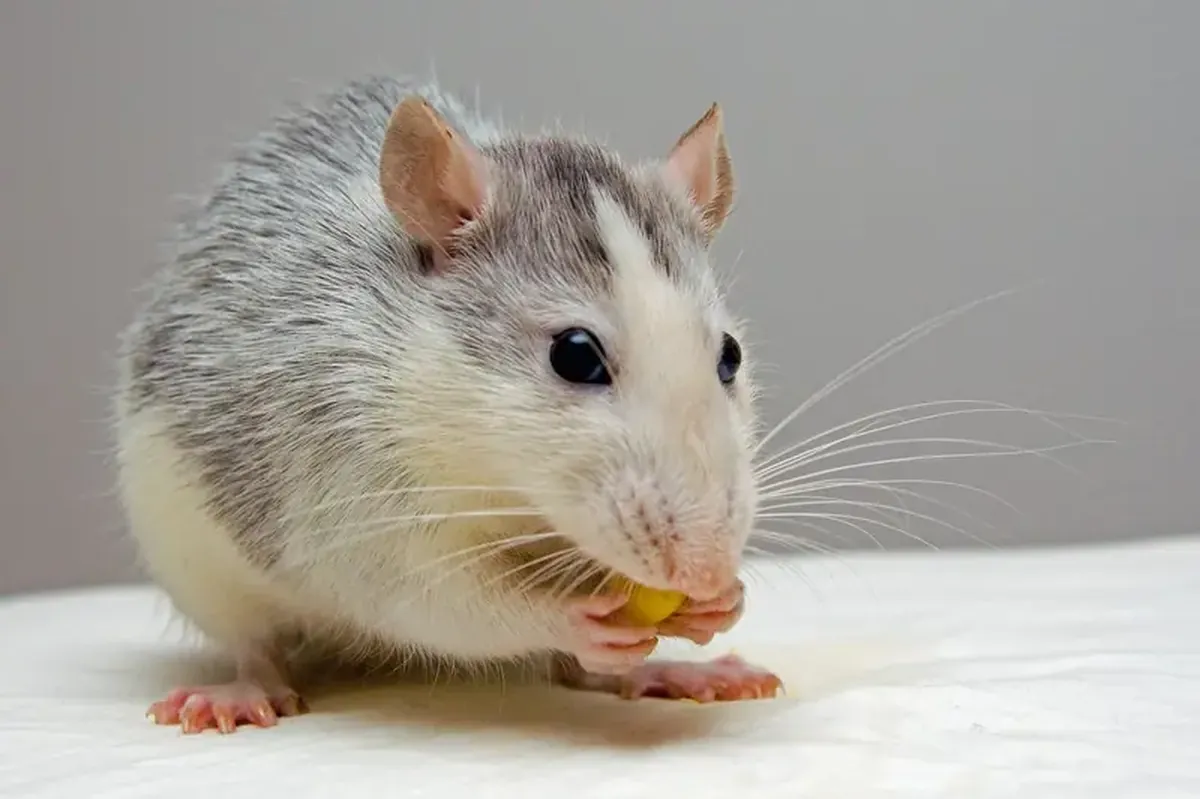
Even looking at the sweet pellets triggered this brain activity in the rodents. That’s similar to the anticipatory tug humans feel when scanning a dessert menu, the Daily Mail reported.
Similar activity showed up in the brains of 30 people who were given a sweet drink during an MRI scan.
The scientists hope these results could help develop obesity treatments that block the small brain circuit responsible for post-meal sweet cravings.
The team plans to further study brain activity in people offered dessert after their main course. “The allure of sweet foods is one reason for overeating and obesity,” Fenselau said. “So it’s important to understand these processes better.”
The study’s findings were published in the journal Science.
