
 Gaby
Gaby
Whether you’re a Michelin-starred chef or a home cook, high-quality olive oil often takes center stage in the kitchen.
But food-quality experts warn that the global olive oil market is flooded with counterfeits. Some unscrupulous producers mix their oils with cheaper fats — in some cases, with substances unfit for human consumption.
That’s why it’s important to know what to look for when buying olive oil.
The Two Most Common Types of Fraud
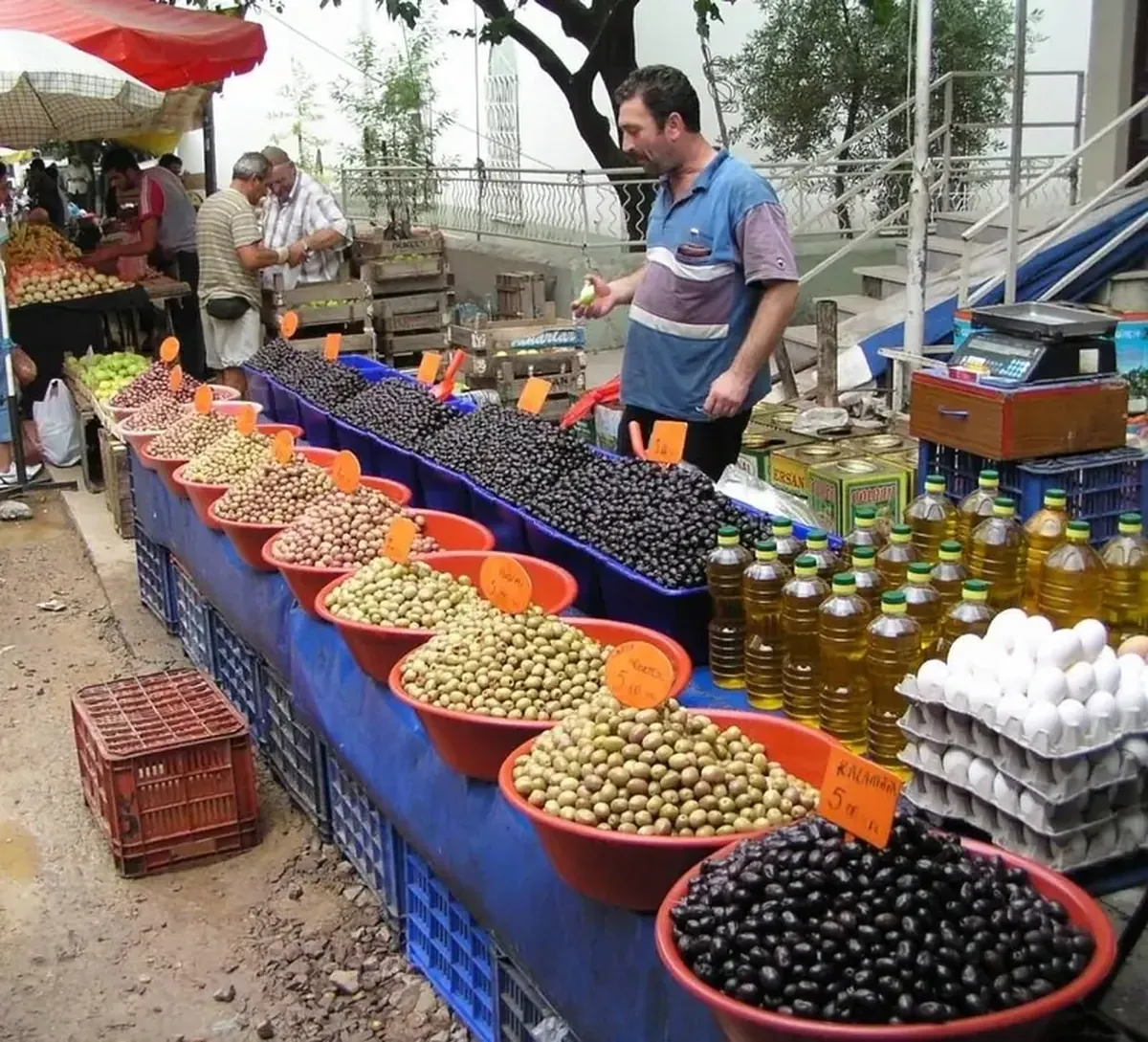
Counterfeiting takes many forms, but two types of fraud are especially common.
The first involves producers taking lower-quality olive oil and passing it off as high-quality oil, often labeled extra virgin.
The second sees olive oil blended with cheaper, neutral oils like sunflower or canola to stretch the product.
Sometimes dishonest manufacturers dye batches of oil with green chlorophyll and yellow carotenoids to make them look more appealing. Coloring doesn’t always mean outright fraud, but it is deceptive.
Although many counterfeits are small-scale, some operations are industrial and run by organized crime groups.
This July, Italian authorities confiscated 42 tons of counterfeit olive oil valued at 900,000 euros. During the same raid, police also found 71 tons of a “greasy substance” and 623 liters of chlorophyll.
How to Distinguish Real Olive Oil from Counterfeits
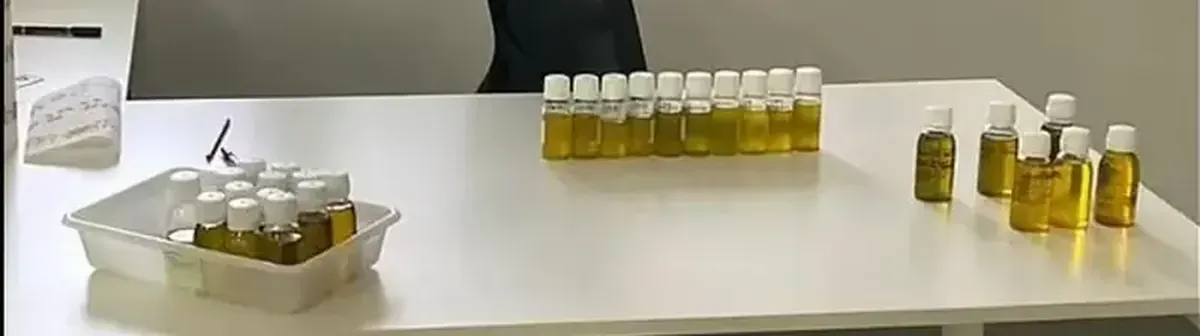
The only surefire way to prove olive oil is counterfeit is laboratory testing. Still, there are non-lab checks that can help separate genuine bottles from fakes, according to the Daily Mail.
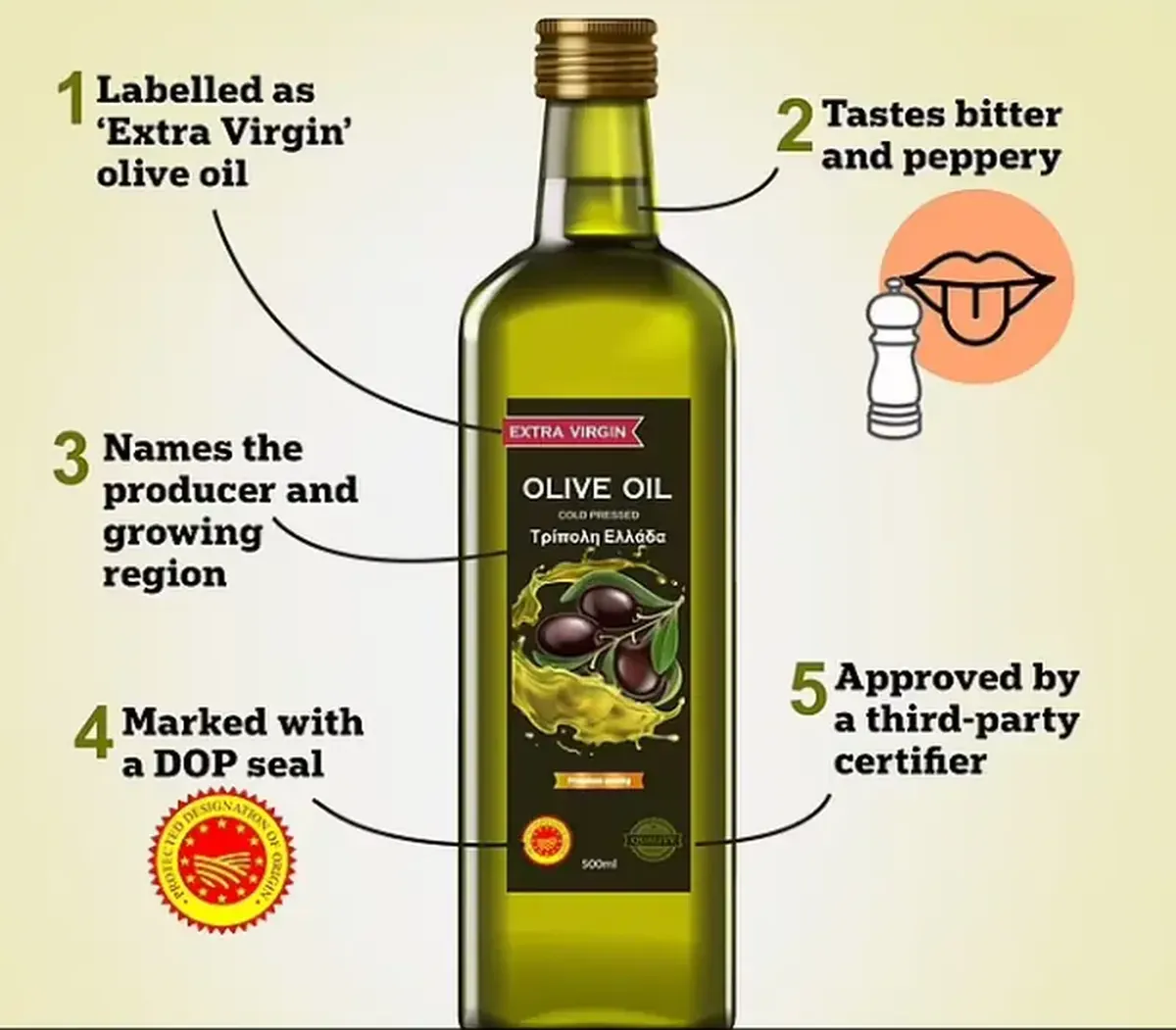
Taste. A key indicator of authentic olive oil is flavor. If a bottle lacks taste, that’s a red flag.
Counterfeit oils often have little to no flavor, while genuine oils have a rich, complex taste.
Labeling on the bottle. Only true extra virgin olive oil can legally carry the “extra virgin” label. The label should also include the line: “Olive oil of superior category obtained directly from olives and exclusively by mechanical means.”
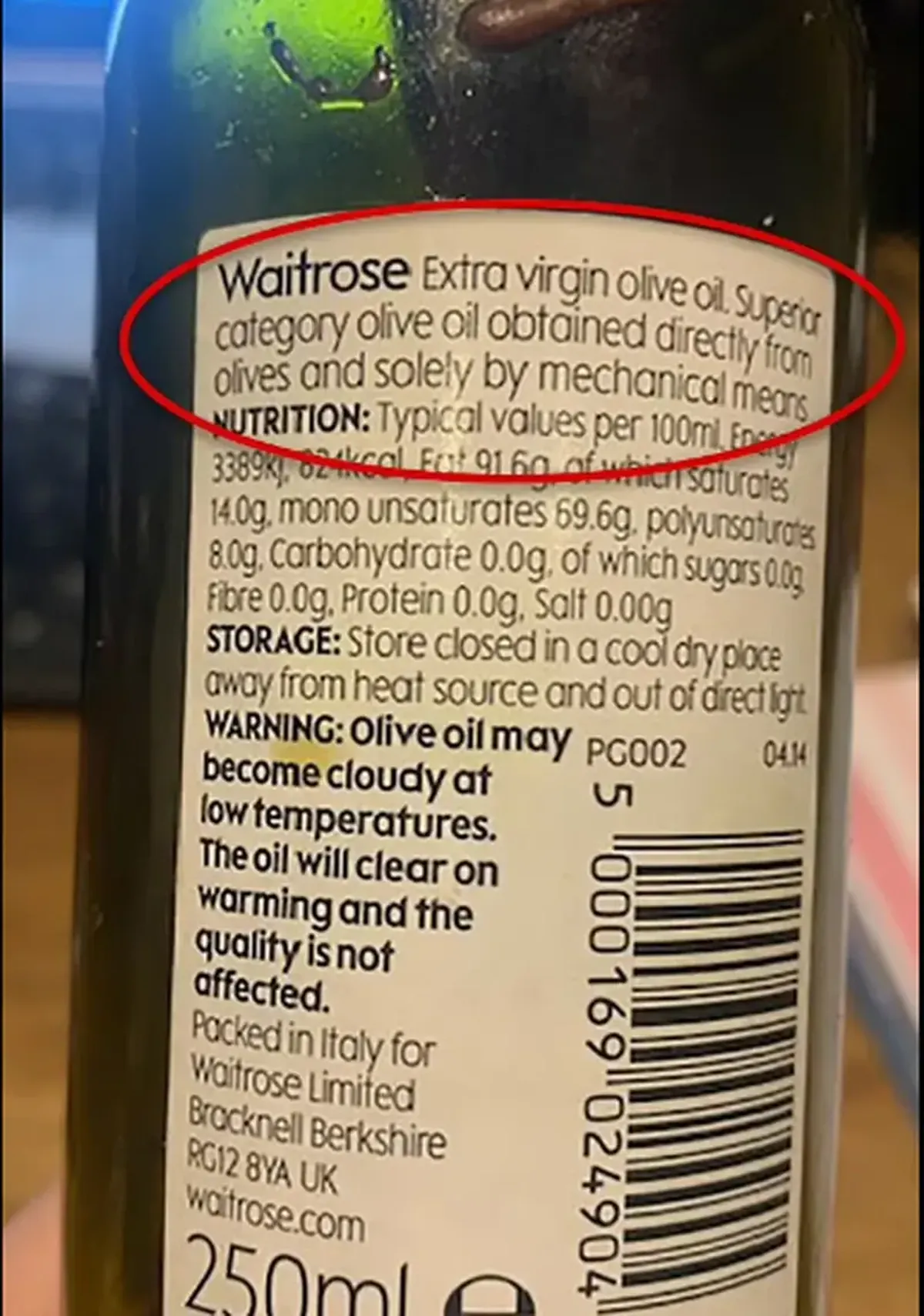
Producer and region name. This information is often mandatory. Generally, the more details on the label, the more traceable the product — and the easier it is to find the oil’s origin.
DOP mark. The bottle should carry a DOP seal, which protects the product’s origin and certifies it was produced in a specific region. Reputable brands also list the producer, the exact area where the olives were grown, and the harvest date.
Third-party certification. Look for certifications from independent testing organizations that vouch for the oil’s quality, such as NAOOA or COOC.
How Not to Test Olive Oil
One popular tip is the refrigerator test, often recommended online. The idea is to put a small sample in the fridge overnight: if the oil is genuine, it will thicken or become gelatinous in the cold; if it remains liquid, it must be fake.
In reality, a bottle diluted with a small amount of another vegetable oil can still thicken in the cold, so the test is unreliable.
Spanish olive oil expert Alexis Kerner argues the refrigerator test doesn’t work because not all olive oils solidify at cold temperatures. As Kerner puts it, “all types of olive oil have a unique composition.” Some varieties freeze, while others do not.
