
 Gaby
Gaby
Even in early September, it can still feel sweltering. So people keep asking, ‘How can I cool down quickly?’ An expert offers four simple, science-backed ways to beat the heat.
Humans Aren’t Built for Heat
Professor Mike Tipton says humans aren’t designed to do manual labor in protective clothing on hot days or to sit in stuffy offices wearing suits. That’s why hot weather creates working conditions most people aren’t equipped to handle.
You’re probably familiar with the basics: drink plenty of water, stay in the shade, and close the curtains when it gets really hot. But there are other simple, proven methods that can cool you down fast.
To Cool Down Quickly, Start with Your Hands
If you’re feeling overheated and someone hands you a fan, your instinct is probably to cool your face. Tipton says that’s not the quickest way to lower your core temperature.
That breeze on your face activates cold receptors in the skin and feels comforting. But it doesn’t actually remove much heat from your body, Tipton told reporters at Science Focus.
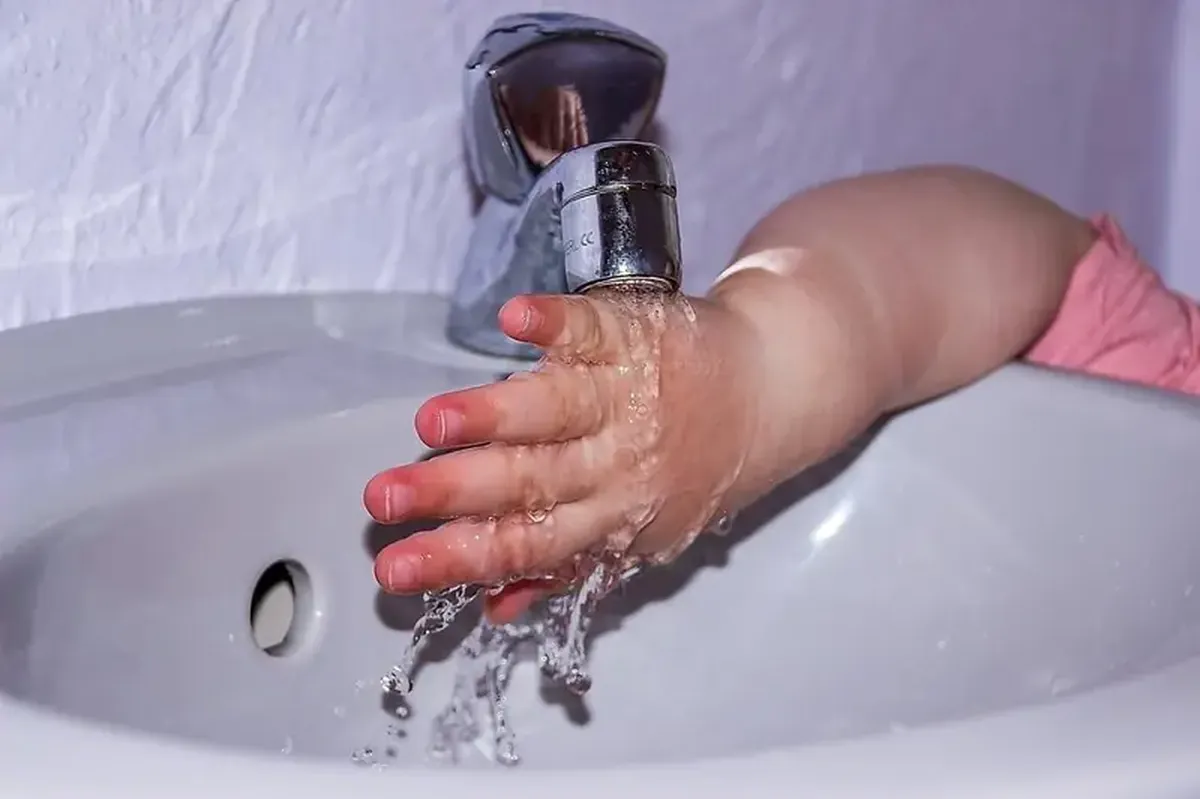 Instead, a better strategy is to immerse your hands in cold water for 15–20 minutes. Your hands have a large surface area relative to their mass, and a lot of blood flows through them in hot conditions. If your internal temperature is high, your body sends blood to your extremities to lose heat.
Submerging your hands in cold water may not feel pleasant, but it cools you down much faster than even an ice bath. Tipton emphasizes the difference between things that make you feel better and things that actually help.
Avoid Cold Showers for Quick Cooling
Jumping into a cool shower seems like a perfect solution on a hot day. Surprisingly, plunging your whole body into very cold water can be a slow way to lower your temperature during a heatwave.
Tipton advises immersing one part of your body in cold water—that’s fine—but if you immerse too large an area, your body reduces the amount of blood reaching the skin. The secret to cooling is bringing blood to the skin surface and then letting the heat dissipate.
 In short, a cool shower is better than an ice bath. The ideal temperature depends on your body and the outside heat. Tipton suggests that relatively warm water often works best.
The professor says that for quick cooling you need water that maintains maximum skin blood flow. So choose a water temperature that creates a big temperature difference with your body without constricting blood flow to the skin.
Choose Hot Drinks to Cool Down Quickly
It sounds counterintuitive, but a warm drink can help you cool down faster than gulping ice-cold water. Tipton explains that warm drinks activate systems like sweating and increased skin blood flow—mechanisms that actually cool the body.
This doesn’t mean you should avoid cold beverages entirely. Staying hydrated with water at any temperature helps the body cool through sweating and heat transfer from active tissues to the skin. But drinking something straight from the fridge is unlikely to drop your core temperature quickly, Tipton notes.
 There is one major caveat: caffeine and alcohol can raise your metabolic rate, causing your body to produce more heat. Caffeine is also a mild diuretic, so it can speed fluid loss. For those reasons, peppermint tea can be a good choice.
Increase Sweating with a Breeze to Cool Down Faster
Fanning yourself may seem trivial, but it works best if you create airflow across as much of your body as possible.
Tipton points out that a fan doesn’t just move warm air away from the skin—it promotes sweat evaporation. If you only fan your face, evaporation happens over a very small area.
 Tipton says that in extreme heat, the main way to cool the body is through sweat evaporation. Evaporation depends on the vapor pressure difference between the air and your skin, not just air temperature.
If possible, use a non-electric handheld fan to make a breeze or encourage natural airflow by opening several windows.
