
 Gaby
Gaby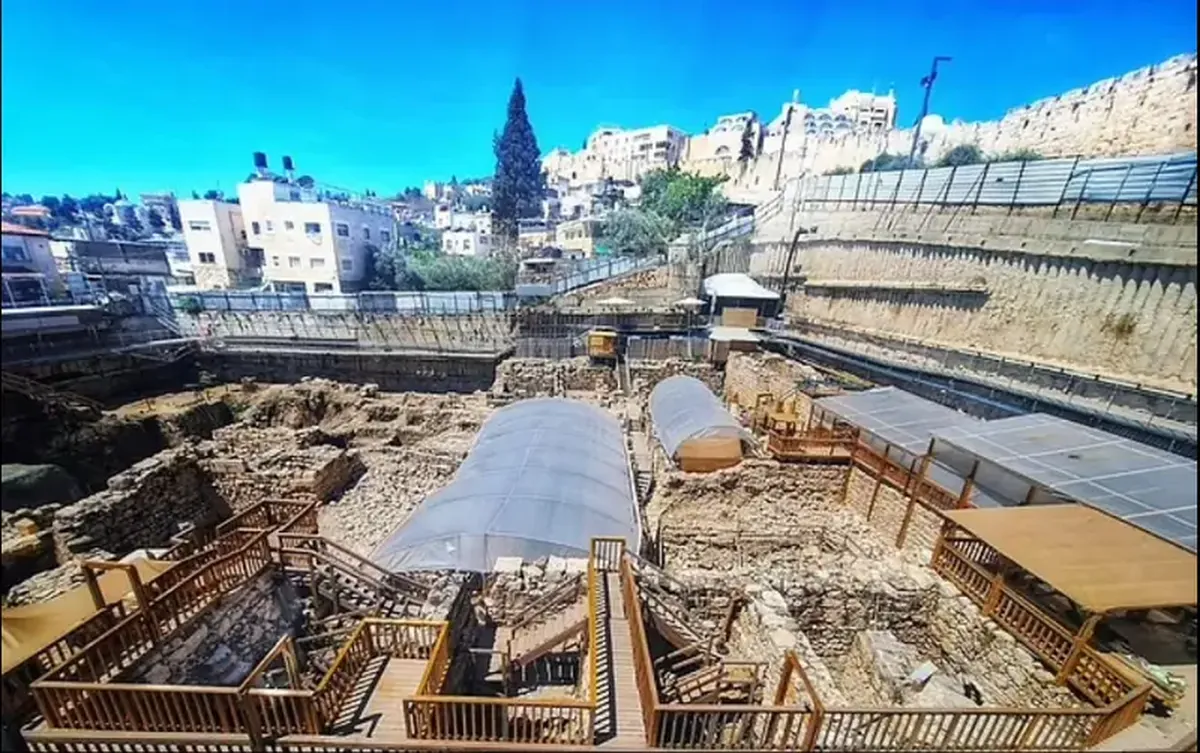
Archaeologists have uncovered a trench mentioned in two books of the Bible. The ruins are of an ancient trench built more than 3,000 years ago in the City of David, the oldest part of Jerusalem and one of the world’s oldest cities.
For 150 years, archaeologists have been searching for evidence that the City of David was divided into two parts, as described in the Bible. Now, the IAA team has finally uncovered a trench that separated the southern residential area from the upper city to the north.
The trench reached a depth of 30 feet and a width of 100 feet, with steep cliffs on both sides that made it impassable.
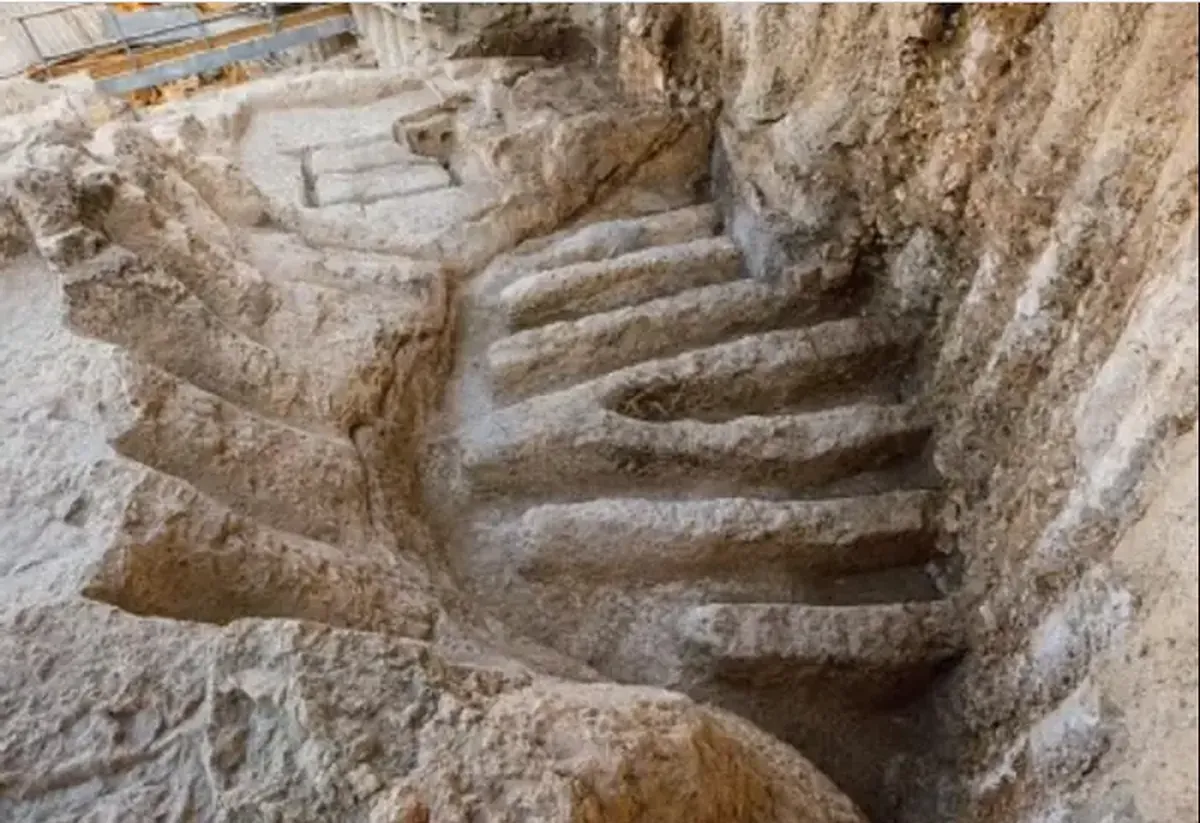
Findings indicate that the trench was created during the Iron Age—around the time when the Books of Kings and Samuel were written, which describe the division of the City of David into Ophel and Millo.
“This dramatic discovery sparks a new discussion about biblical terms used to describe Jerusalem’s topography,” the Israel Antiquities Authority said.
The City of David is the original core of Jerusalem. According to the Daily Mail, King David built it to unite Israel around a single capital. The city sits on a narrow, steep ridge overlooking hills and valleys that made movement from one area to another difficult.
“It is unclear exactly when the trench was dug, but the evidence suggests it was used during the centuries when Jerusalem was the capital of the Kingdom of Judah, nearly 3,000 years ago,” noted Dr. Yiftach Shalev, the excavation leader. According to him, during those years, “the trench separated the southern residential part of the city from the dominant Acropolis to the north—the upper city, where the palace and temple were located.”
The IAA said constructions like this are typically dated to the Middle Bronze Age (about 3,800 years ago).
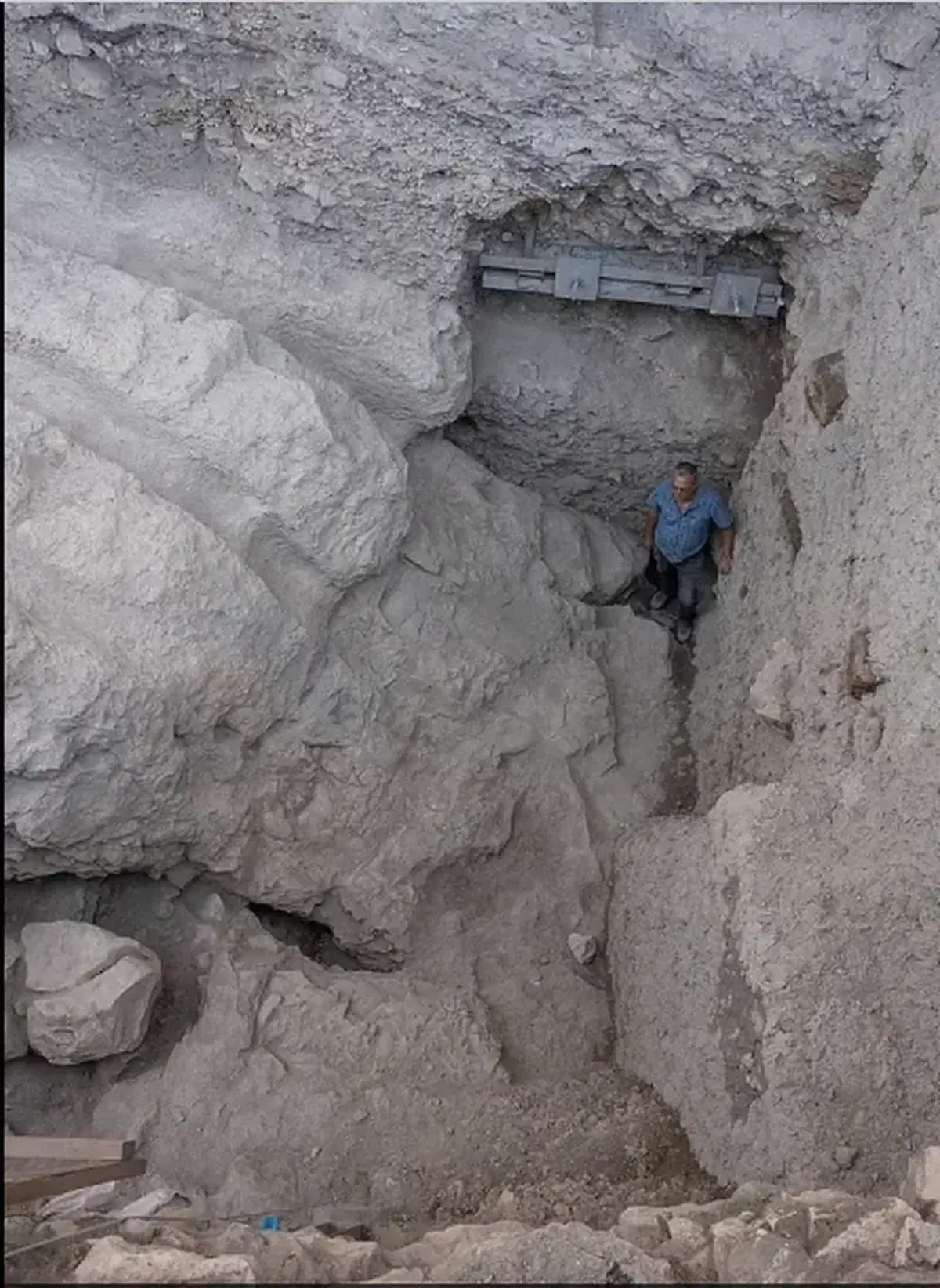
“We are confident that the trench was used during the time of the First Temple and the Kingdom of Judah, creating a clear buffer between the residential city in the south and the upper city in the north,” Dr. Shalev remarked.
The team believes the trench reshaped the City’s topography to demonstrate the rulers’ power over anyone entering the gates and to underscore their ability to defend the city walls.
The archaeological site was first identified in the 1960s by British researcher Kathleen Kenyon, who interpreted it as a natural valley.
“This discovery sheds new and vibrant light on biblical literature,” said Eli Escudido, director of the IAA. Standing at the bottom of the giant trench, surrounded by massive hewn walls, “it’s impossible not to feel a sense of wonder and gratitude toward those ancient people who literally moved mountains and hills around 3,800 years ago.”
