
 Carlos Solis
It might sound odd, but scientists who study dogs haven’t paid enough attention to how important play is for dogs and their owners.
In a new study, a team of sensory biologists and zoo psychologists at Linköping University (Sweden) set out to find whether there is a direct correlation between play and the dog-owner bond. The journal Royal Society Open Science published the paper.
“Many dogs move households during their lives. In the case of shelter dogs, you don’t get to grow up with your pet. That means you lose the so-called socialization period at the start of a puppy’s life that matters for building a relationship. Play can be a great way to build a new, positive relationship even with adult dogs,” said Lina Rot, a co-author of the study.
What researchers found about play and the dog-owner bond
During the study, dog owners filled out a detailed questionnaire about how they perceive their relationships with their dogs.
Questions included things like:
- How often do owners take their dog with them when visiting other people?
- How often do owners share their secrets with their dog?
- Is owning a dog more trouble than it’s worth?
For the month-long experiment, the team divided the human-dog pairs into three groups.
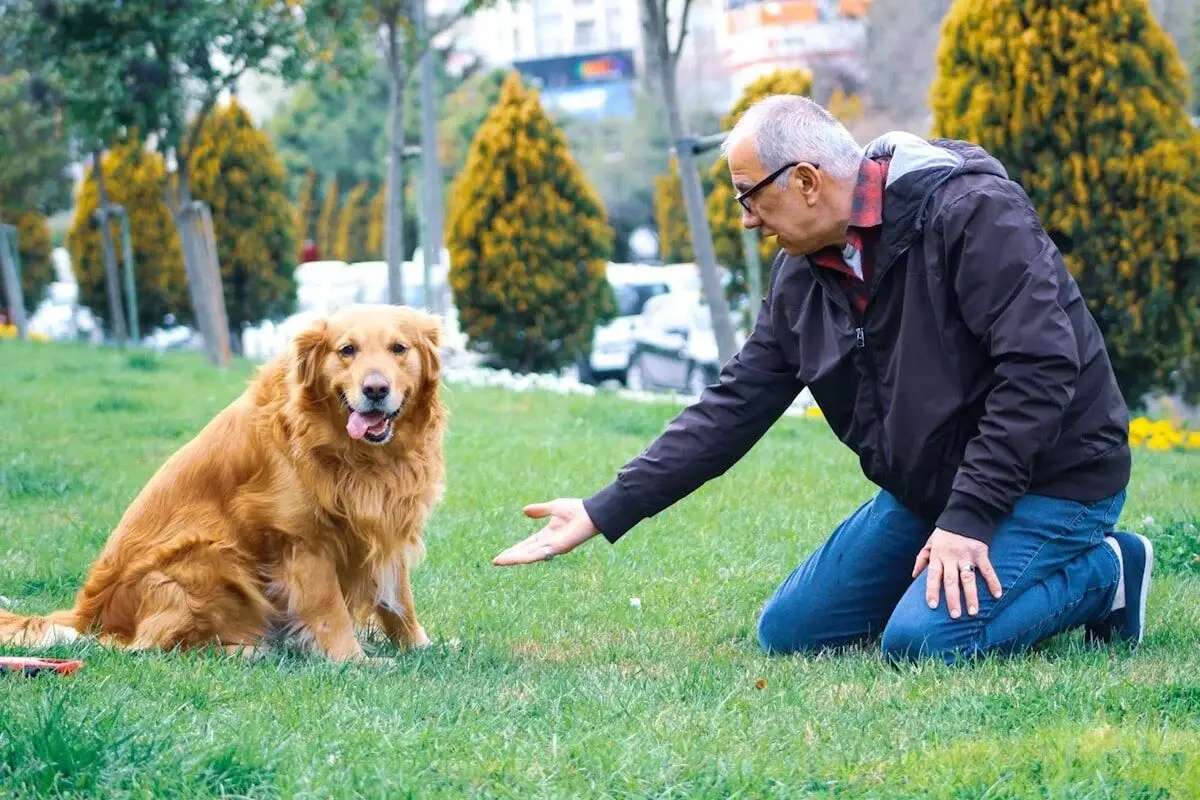
- In the first group, participants played with their dogs more than usual.
- In the second group, participants trained their dogs more than usual.
- In the third group, the control group, participants kept their normal routines.
After a month, the team asked owners to complete the same questionnaire again. The result was striking: the extra time the owners and dogs in the first group spent playing strengthened the emotional bond between them. Owners in that group also reported that their four-legged friends became friendlier toward them and that the dogs often initiated play.
“This is an astonishing result you can only dream of! It turned out that in just four weeks, thanks to a few extra minutes of play per day, owners who played with their dogs strengthened their emotional bond with their pets,” Lina Rot said.
At the same time, the team saw no changes in the relationships between people and animals in the training and control groups.
“Just throwing a ball isn’t enough,” Rot added. “Because we were interested in the social interaction between dogs and humans, the study suggested games such as tug-of-war, chasing, and hide-and-seek.”
In the end, the most important thing for dog owners is to find a game that their dog enjoys most and to have a great time together.
