
 Carlos Solis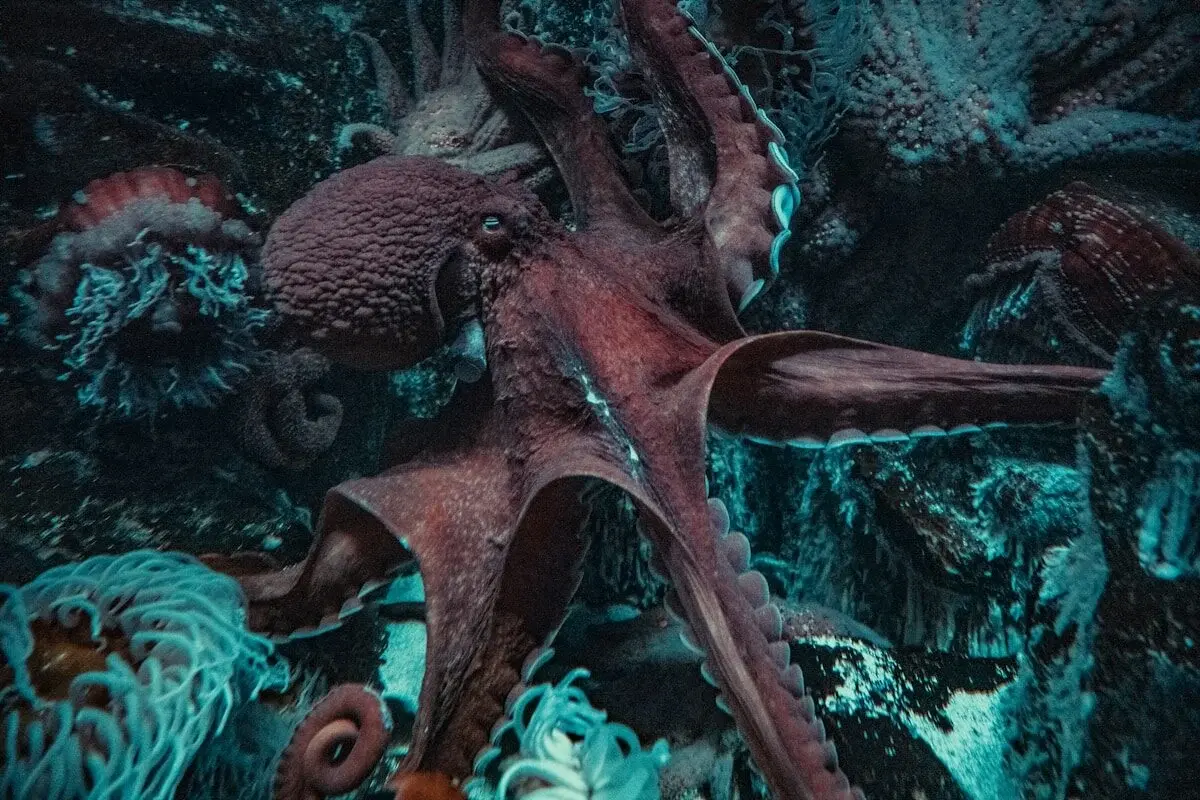
The ancient ancestors of modern octopuses that lived in Earth’s oceans 100 to 72 million years ago resembled krakens — the giant cephalopods from Norse myth said to attack ships.
A team of marine paleontologists at Hokkaido University in Japan, led by Professor Yasuhiro Iba, reexamined the fossil jaws of two species of these sea monsters: Nanaimoteuthis haggarti and Nanaimoteuthis jeletzkyi.
Across several years, researchers recovered 15 specimens of these ancient octopuses from fossil deposits in Japan and Canada. The results surprised the team and were reported in the journal Science.
What researchers found
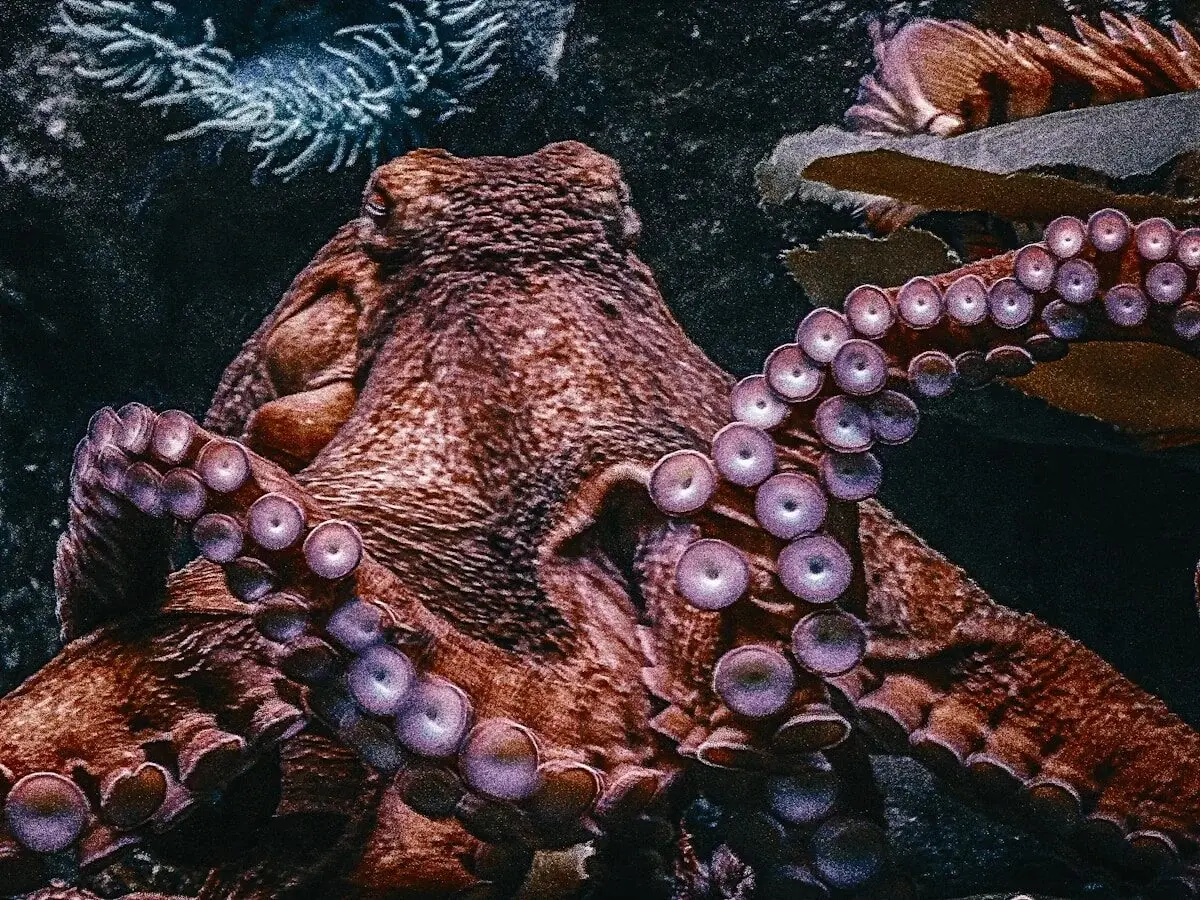
The study found that giant octopuses lived 5 million years earlier than previously thought.
“Our results show that the earliest octopuses were giant predators occupying the top of the marine food chain during the Cretaceous period,” said Professor Yasuhiro Iba.
Invertebrates like these are notorious for leaving very few traces of their existence. But, like modern cephalopods, Cretaceous octopuses had powerful beak-like jaws for eating prey. Those beaks are the only hard parts of the bodies of Nanaimoteuthis that fossilized and were preserved over millions of years.
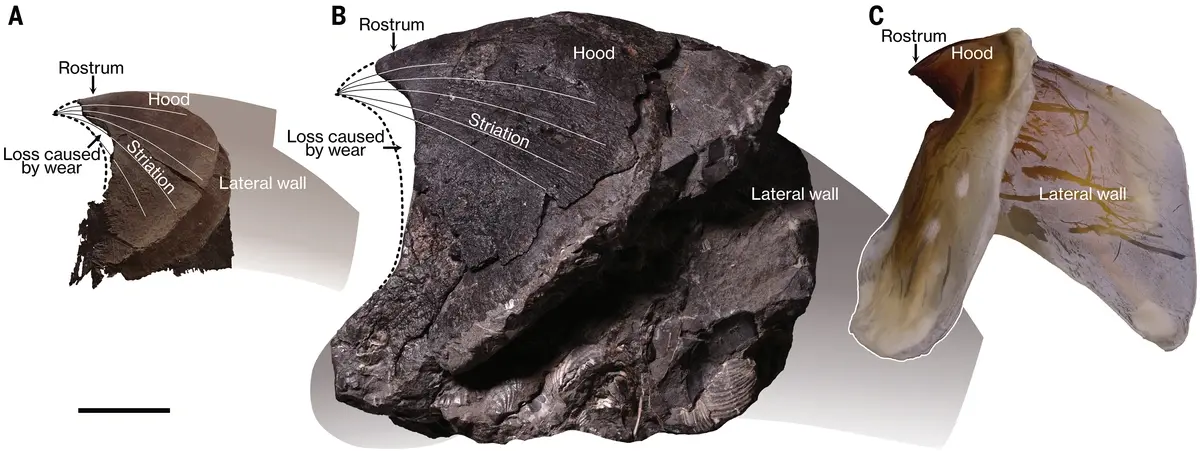
Huge lower jaws of fossil octopuses
To scan each specimen, the team used an imaging technique known as high-resolution grinding tomography. Then, using a machine-learning program, the researchers reconstructed the external appearance of these creatures.
Beyond the new age data, the jaws held another surprise. One side of each jaw showed more wear than the other. That indicates the octopuses exhibited lateralization — a behavioral asymmetry common in modern animals with advanced neural processing. If true, the prehistoric octopuses were highly intelligent.
Overall wear on the specimens suggests the invertebrates targeted tougher prey. They grabbed prey with their long arms and bit through it with the beak’s primary biting surface. Scientists link this hunting behavior to advanced intelligence.
So, the new study concludes:
- The earliest ancestors of modern octopuses lived in Earth’s oceans earlier than previously thought.
- The giant cephalopods had advanced cognitive abilities.
- Their beaks were actively used during hunting and feeding.
These marine predators actively shaped marine ecosystems, performing the role usually attributed to large vertebrates.
Real krakens of the late Cretaceous didn’t need a backbone to dominate the oceans.
Photo: Unsplash
