
 Gaby
Gaby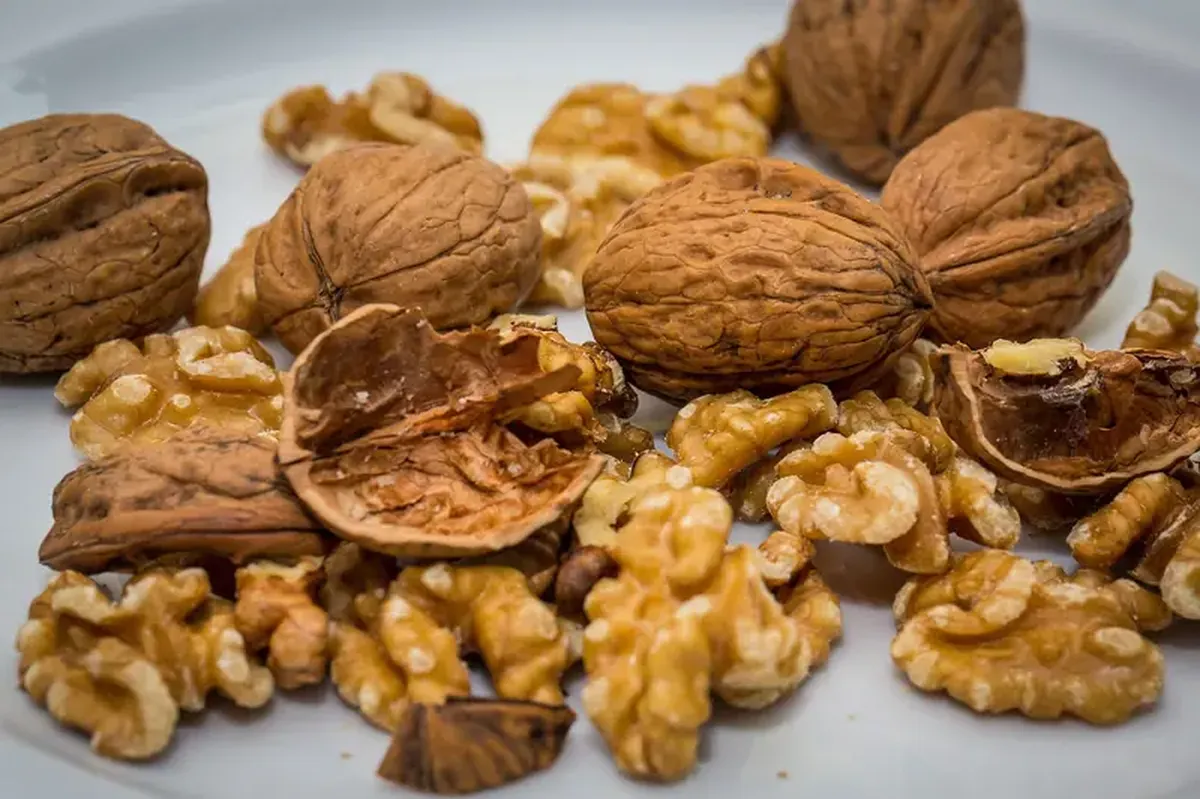
The secret to walnuts’ high energy value is their mix of fats and fiber. Just one to three walnuts can help you feel energized for hours. The saying “Three nuts for Cinderella” not only beats hunger and provides fuel but can also support weight loss. Walnuts offer enough benefits that many nutritionists recommend including them in the diet after age 50 and in a variety of health-focused meal plans. So let’s crack open the shell and see what’s inside!
A Miniature Brain
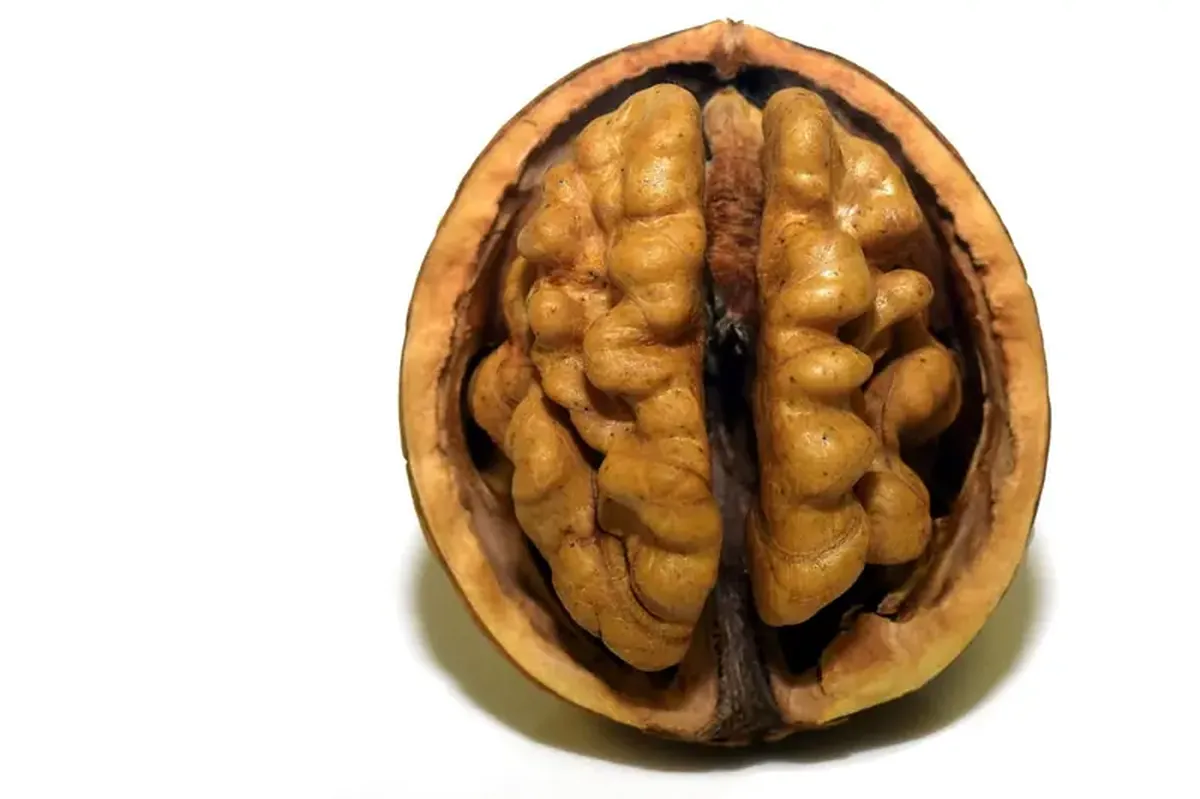
It’s striking that a walnut resembles the shape and surface of the human brain. Under the hard shell sits an edible kernel with a convoluted surface. Both the skull and the shell serve a protective function—safeguarding the brain and the nut inside—and both coverings store important nutrients like phosphorus and fats. The similarity between the walnut kernel and the brain follows similar physical principles: as the nut matures, the kernel grows inside a fixed shell, and the brain’s cortex expands within the limited space of the skull, folding into convolutions rather than inflating beyond its casing.
A Shield Against Aging
Because the kernel resembles the brain, walnuts are often linked to better cognitive function. They can help protect against atherosclerosis and support memory and mental clarity in later life. Walnuts improve blood circulation to the brain and can help stabilize blood sugar levels. Rich in omega-3 and omega-6 fatty acids, they help protect cells from free-radical damage and may slow aspects of aging. Plant-based phytoestrogens in walnuts can also support hormonal balance. Moderate walnut consumption is associated with a lower risk of obesity, cardiovascular disease, hypertension, diabetes, and other features of metabolic syndrome.
Nutritional Value
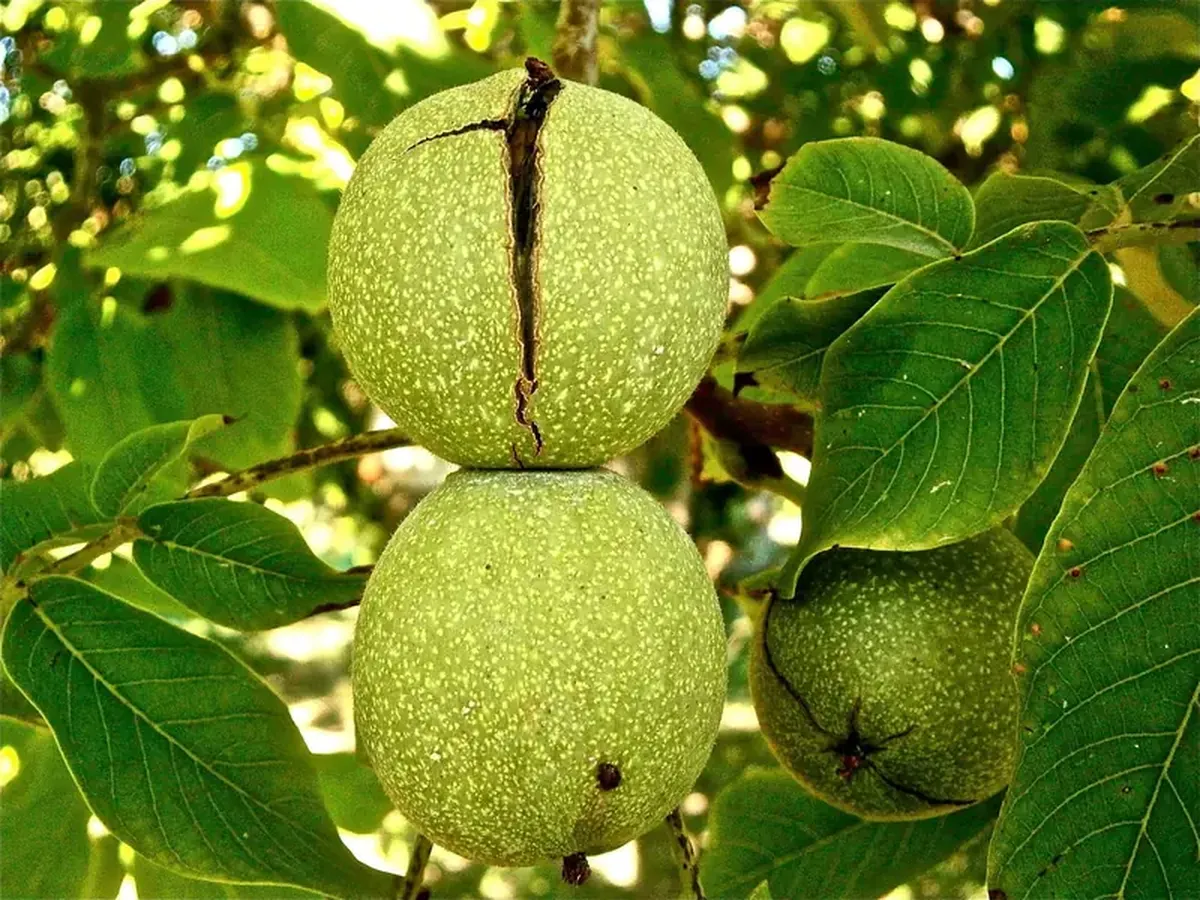
The walnut is a drupe—the same basic fruit type as cherries and plums. Like other stone fruits, walnuts develop inside a fleshy husk that eventually splits away and lets the stone fall to the ground. Walnuts are nutrient-dense and have long been prized—our ancestors called them the “royal nut.” They provide high-quality plant protein and beneficial fats. The drupe contains B vitamins, vitamins A, C, E, and K, niacin (vitamin B3), omega-3 and other fatty acids, and essential minerals such as selenium, potassium, sodium, magnesium, zinc, phosphorus, fluoride, calcium, iron, copper, and manganese. This plant protein is high in fiber and low in carbohydrates, making walnuts a valuable food for people who don’t eat meat.

A Fighter Against Hunger Hormones
Walnuts are rich in polyunsaturated fats, and they help lower levels of ghrelin—the hormone that signals hunger. That’s one reason nut-based diets can be effective for weight loss: walnuts satisfy hunger quickly. Paired with water, a few walnut kernels can blunt the body’s food signals and reduce the urge to overeat. Walnuts contain about 650 calories per 100 grams of shelled kernels; an average kernel weighing 10–15 grams provides roughly 25–30 calories. To support weight loss, eat walnuts 1–2 times a day: eat the kernels of 1–3 nuts and drink a glass of water.
Medicinal Properties and Risks
Walnut partitions (the thin membranes between the kernel halves) are a valuable source of iodine. Decoctions or tinctures made from these parts can help normalize metabolism and support thyroid function. Walnut oil is used to treat skin and mucous membrane inflammation, eczema, psoriasis, and varicose veins. Walnuts have anti-inflammatory, wound-healing, antibacterial, and general tonic properties. But any remedy can be harmful in excess: overeating walnuts can cause poisoning or irritate mucous membranes. Walnuts are a common allergen, so people prone to inflammatory skin or mucous membrane conditions should be cautious. They are contraindicated in chronic colitis and enterocolitis, during acute intestinal disease, and in cases of increased blood clotting.

More Than Just Food
Walnuts offer more than culinary and medicinal value. Walnut wood is highly prized for flooring, fine furniture, and high-quality household and art items. Walnut veneer is a beautiful material often used in luxury cars and interior design. Products made from walnut wood are durable and resistant to cracking. Historically, walnut wood has been used for brake pads, rifle stocks, fan blades, and airplane propellers.
A Nutty Flavor
Walnut kernels are delicious raw or cooked. They are pressed for walnut oil and used in sweets (halva, candies, pastries, and cakes) and in savory dishes. For jams, confections, or diet-friendly recipes, green (unripe) walnuts are often used. Not only the seeds but also the shell, partitions, and leaves find use in alcoholic tinctures and other preparations, since those parts contain valuable compounds. In Caucasian cuisine, walnuts are so central that they appear in almost every national recipe; among mountain communities, the walnut tree has been considered sacred since ancient times.
Recipes Featuring Walnuts
Chicken Salad with Walnuts and Pineapple
Ingredients: chicken fillet – 250 g, walnuts – 50 g, canned pineapple – 150 g, cheese – 100 g, mayonnaise – 30 g, salt and pepper to taste.
Boil the chicken fillet, then cut the cheese and pineapple into pieces and combine them. Mix well. Add chopped walnuts. Dress with mayonnaise, and season with salt and pepper. Serve the salad garnished with cilantro.
Tuscan Sauce
Ingredients: ground beef – 200 g, walnuts – 40 g, tomatoes in their juice – 1 liter, onion – 150 g, carrot – 150 g, dried white mushrooms – 1 cup, celery stalks – 2, olive oil – 100 g, dry red wine – 50 g, salt and black pepper to taste.
Soak the washed dried mushrooms in 300 ml of water for 3 hours. Remove the mushrooms, chop them, and strain the soaking water through a fine sieve; reserve the liquid. Place the carrot, onion, and celery in a pot with oil and sauté for 15 minutes over medium heat, stirring occasionally, until the carrot softens and the onion turns translucent. Add the ground beef, season with salt and pepper, and cook for 5 minutes, stirring. Pour in the wine and let it evaporate completely. Add the chopped mushrooms to the pot. Pour in the reserved soaking liquid and the tomatoes in their juice. Bring to a boil, then simmer uncovered for 35 minutes. Stir and mash the tomatoes with a spoon, and season with salt and pepper. Serve the Tuscan sauce with pasta or corn porridge.

Dried Fruit Candies
Ingredients: shelled walnuts – 200 g, pitted prunes – 150 g, pitted apricots – 150 g, raisins – 150 g, lemon – 1, honey – 4 tablespoons, coconut flakes for coating (can be substituted with cookie crumbs, poppy seeds, or sesame seeds).

Soak the dried fruits in boiling water for 10 minutes, then drain and lay the ingredients on a paper towel to dry. Chop the lemon. Pass the dried fruits through a meat grinder and add honey. Mix the pureed dried fruits with the lemon and walnuts, pass the mixture through the grinder again, add more honey if needed, and mix well. Form balls from the mixture and roll the candies in the coating mixture.
It’s delicious, nutritious, and healthy—definitely worth a try!
