
 Gaby
Gaby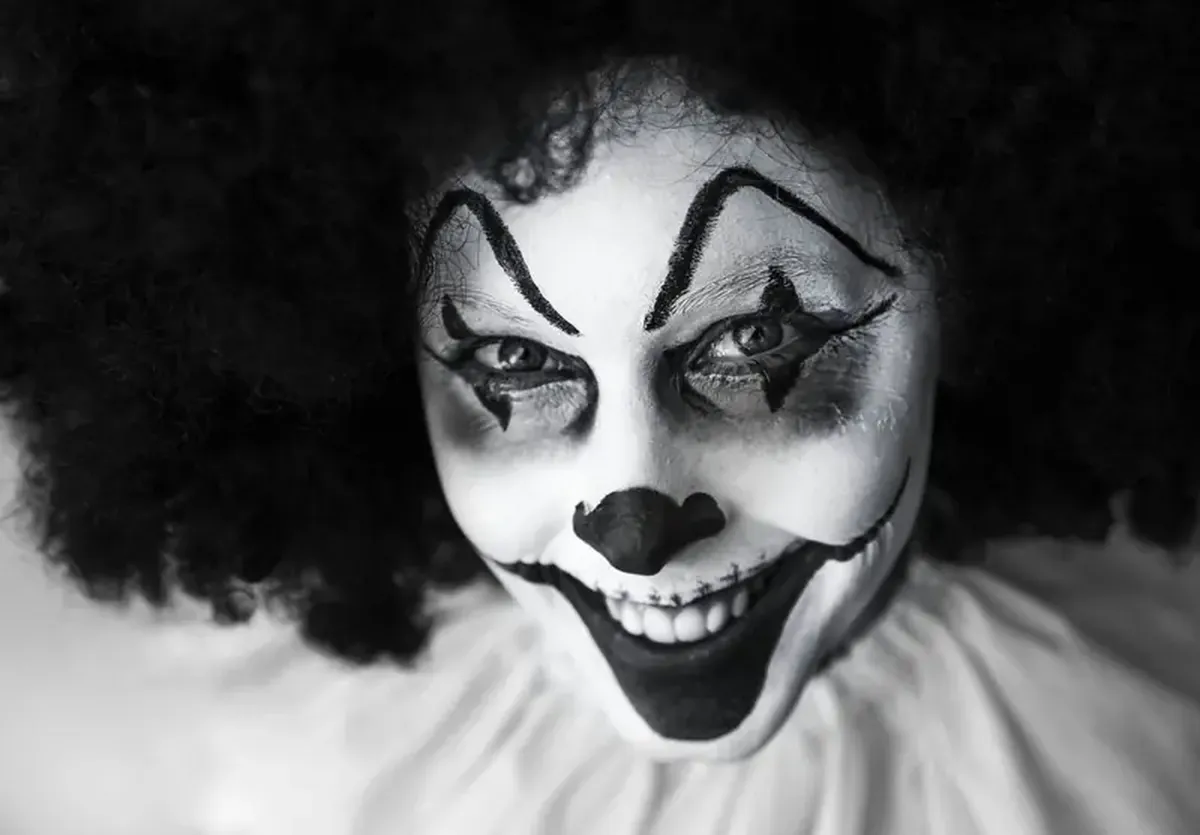
Psychologists at the University of Southern Wales in Australia investigated why coulrophobia—the fear of clowns—shows up in children and adults across different cultures. The researchers set out to explore the nature of the phobia.
They developed a psychometric questionnaire to measure how common and how severe coulrophobia is. The survey included 987 volunteers ages 18 to 77.
More than half of respondents (53.5%) said they are afraid of clowns. Another 5% reported an intense fear of clowns.
That share of intense fear is higher than for several other common phobias: 3.8% reported a strong fear of animals, 3.0% fear blood, 2.8% fear heights, 2.2% fear enclosed spaces, and 1.3% fear flying.
Women reported more fear of clowns than men. Coulrophobia also declined with age, according to Science Alert.
Sources of Fear
Next, the team looked into the causes of that fear among the 53.5% who reported it. Volunteers chose their reasons from a list of possible explanations.
- Clown makeup creates a terrifying or unsettling feeling by making clowns resemble dolls and mannequins.
- People associate exaggerated facial features with danger.
- Clown makeup conceals emotional signals.
- The colors of clown makeup evoke thoughts of death, infection, or bloody injuries and trigger disgust or a flight response.
- Unpredictable clown behavior causes discomfort.
- Fear of clowns can be passed down within families.
- Negative portrayals of clowns in popular culture influence fear.
- A frightening personal experience with a clown can trigger the fear.
The least common reason cited was a frightening personal experience with a clown. Negative portrayals in popular culture—like Pennywise from Stephen King’s novel “It”—were mentioned much more often. Some respondents even said they fear the seemingly innocent Ronald McDonald, the fast-food chain’s mascot.
The strongest factor in this phobia appears to be the hiding of emotional signals beneath the makeup. When facial expressions are obscured, people can’t read a clown’s emotional intentions, and that uncertainty can trigger fear.
