
 Carlos Solis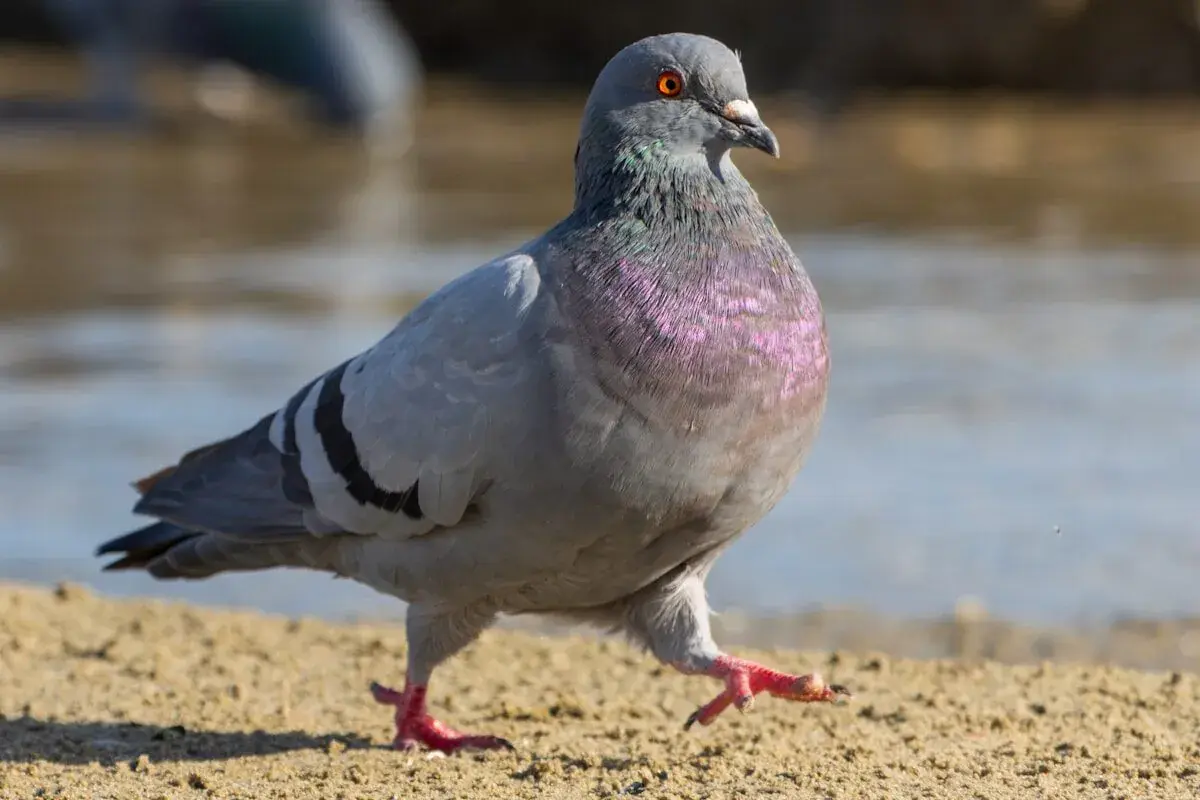
The answer was hiding in an unexpected place — the immune system. A study in Science finds that special immune cells in pigeons’ livers—macrophages—are extremely sensitive to Earth’s magnetic field and function as a built-in compass.
Iron in the liver — how immune cells become magnetic
Macrophages perform an important job in the body—they break down old red blood cells. That process causes the cells to accumulate large amounts of iron.
The iron makes the macrophages superparamagnetic—a form of magnetism seen in certain nanoparticles. When an external magnetic field acts on those particles, they become magnetized.
“When they fly, these nanoparticles align with the magnetic field and become magnetized,” explains Clivia Lisovski, a coauthor and immunologist at the University of Bonn. “That lets them sense Earth’s magnetic field.”
To pinpoint where in the birds’ bodies those magnetic cells hide, the team examined organs that store the most iron—the liver and the spleen. The liver showed a much stronger magnetic response than any other tissue they tested.
What happens if you switch off the “compass”?
The researchers tested the immune cells in the field. They used pigeons trained to return to their dovecote in the town of Konstanz, Germany, from distances greater than 20 kilometers.
The release trials revealed a clear pattern:
- In sunny weather: Pigeons whose macrophages had been removed by the researchers still found their way home. They navigated using the sun.
- In cloudy weather: The same pigeons without macrophages lost their bearings and wandered because they couldn’t use the sun and their magnetic sense had been switched off.
That shows birds use combined navigation: both Earth’s magnetic field and solar cues.

Why this discovery matters beyond birds
Using electron microscopy, the team found an astonishing anatomical feature: iron-rich liver macrophages sit right next to nerve fibers. That arrangement means the magnetic information the liver picks up can travel directly along those neural pathways to the pigeon’s brain.
This work comes from an interdisciplinary collaboration among immunologists, behavioral biologists, and physicists. Its implications extend far beyond ornithology.
- For animal navigation: The ferromagnetic liver mechanism could explain how other migrating animals orient in the dark—for example, nocturnal migratory birds, bats, or deep-sea sharks.
- For immunology: To protect the body from pathogens and heal wounds, the immune system needs to sense the environment. The discovery that immune cells respond to Earth’s magnetic field adds a new way the immune system perceives its surroundings and could trigger new lines of research.
Photo: Unsplash
