
 Gaby
GabyResearchers say they’ve found the most bitter substance on Earth. When we think of bitterness, coffee or Brussels sprouts might come to mind. But the bitterness of those foods pales next to compounds identified by Bavarian biochemists. The team found three previously unknown bitter compounds in the wood-dwelling mushroom Amaropostia stiptica, commonly called the bitter polypore — and one of those compounds, they say, is the most bitter substance ever recorded. Despite its extreme bitterness, the mushroom is not toxic.
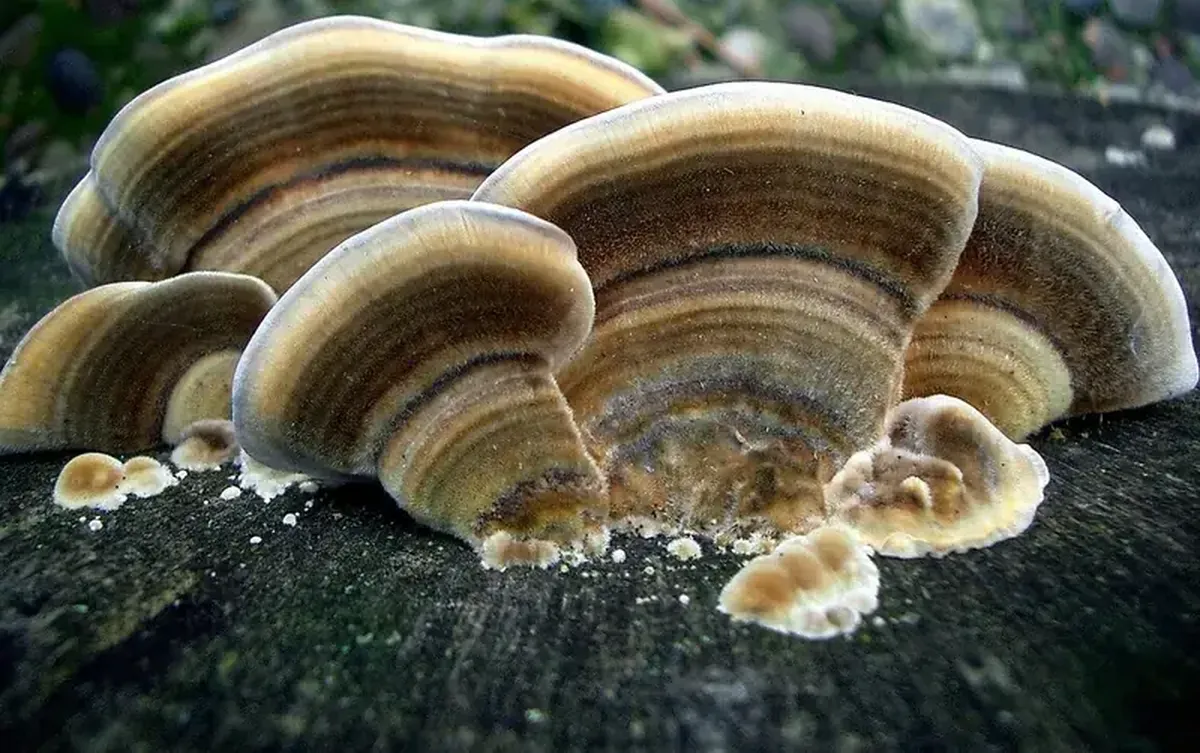
What did the researchers find out? This wood-dwelling fungus caught the biochemists’ attention because of its intensely unpleasant taste, so they analyzed its molecular makeup. The scientists identified three previously unknown bitter compounds; one of them, oligoporin D, is the compound the team calls the most bitter ever discovered. Oligoporin D activates bitter taste receptors in our mouths that help detect natural toxins, and it can trigger the TAS2R46 receptor even at extremely low concentrations.
The researchers emphasized that the three chemical compounds derived from the bitter polypore were tested on lab-grown taste cells. Each compound activates at least one of the 25 different bitter receptors known to science. What else did the team report? Taste receptors are found not only in the human mouth but also in the stomach, inside the large intestine, and even on the skin, where they serve different roles, according to the Daily Mail.
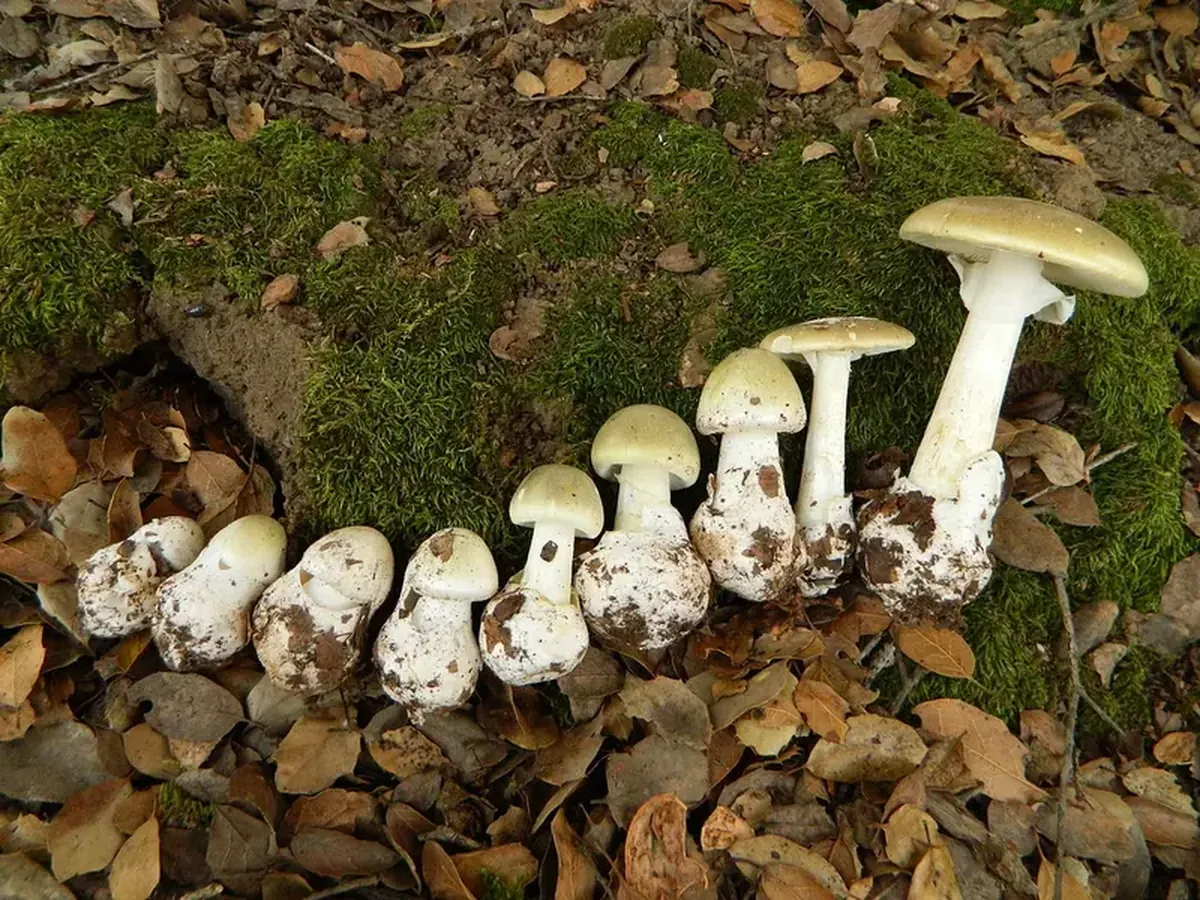
Previously, scientists believed our bitter taste detectors evolved to flag toxic substances and discourage us from eating harmful foods. For example, researchers at Shanghai Jiao Tong University recently found that the TAS2R46 receptor, which oligoporin D activates, is also triggered by the deadly poison strychnine. The mushroom Amaropostia stiptica, which these biochemists have tied to the world’s most bitter compound, is not toxic, but it isn’t appealing to cooks either. Meanwhile, the death cap mushroom (Amanita phalloides) can taste pleasantly nutty despite containing a mix of lethal toxins.
Researchers say bitter compounds in mushrooms have not been studied enough. Overall, during their work scientists identified more than 2,400 bitter molecules, but most of those come from flowering plants or from synthetic products made by humans. Bitter chemicals from animals, fungi, and bacteria are far less common. According to the team, studying mushroom-derived compounds like oligoporin D could help explain our complex relationship with bitterness. Dr. Mike Berens, the study’s lead author, said, “These findings contribute to expanding our knowledge of the molecular diversity and mechanisms of action of natural bitter compounds.”
