
 Gaby
Gaby
Some people look far older than their years. Japanese researchers found that, in some cases, that appearance can be linked to an illness the person doesn’t know they have. They developed an AI program that can estimate a person’s age from a chest X-ray.
Innovative AI Model for Age and Disease Research
While earlier AI tools analyze X-rays to spot lung abnormalities, this model focuses on estimating age. Researchers then use that information to predict potential diseases. For example, if the age the AI calculates is much higher than a person’s actual age, that person is more likely to have chronic conditions such as COPD, hypertension, or hyperuricemia (elevated uric acid levels).
This AI model may be the first tool that lets scientists draw a direct connection between an X-ray–estimated age and chronic disease. The researchers say it could become a practical tool for earlier diagnosis, which is critical for effective treatment.
One of the study’s authors, Yasuhito Mitsuyama, says chronological age is a key factor in medicine. The results suggest that the “visible age” a chest X-ray conveys can reflect a person’s health in ways that chronological age alone does not.
Testing the AI Age Estimator
The team fed a large dataset into their program to develop an AI model capable of estimating age from chest X-rays. They collected 67,099 chest X-rays from more than 36,000 people at three medical examination centers. All the images were taken between 2008 and 2021 and came from individuals without diagnosed disease.
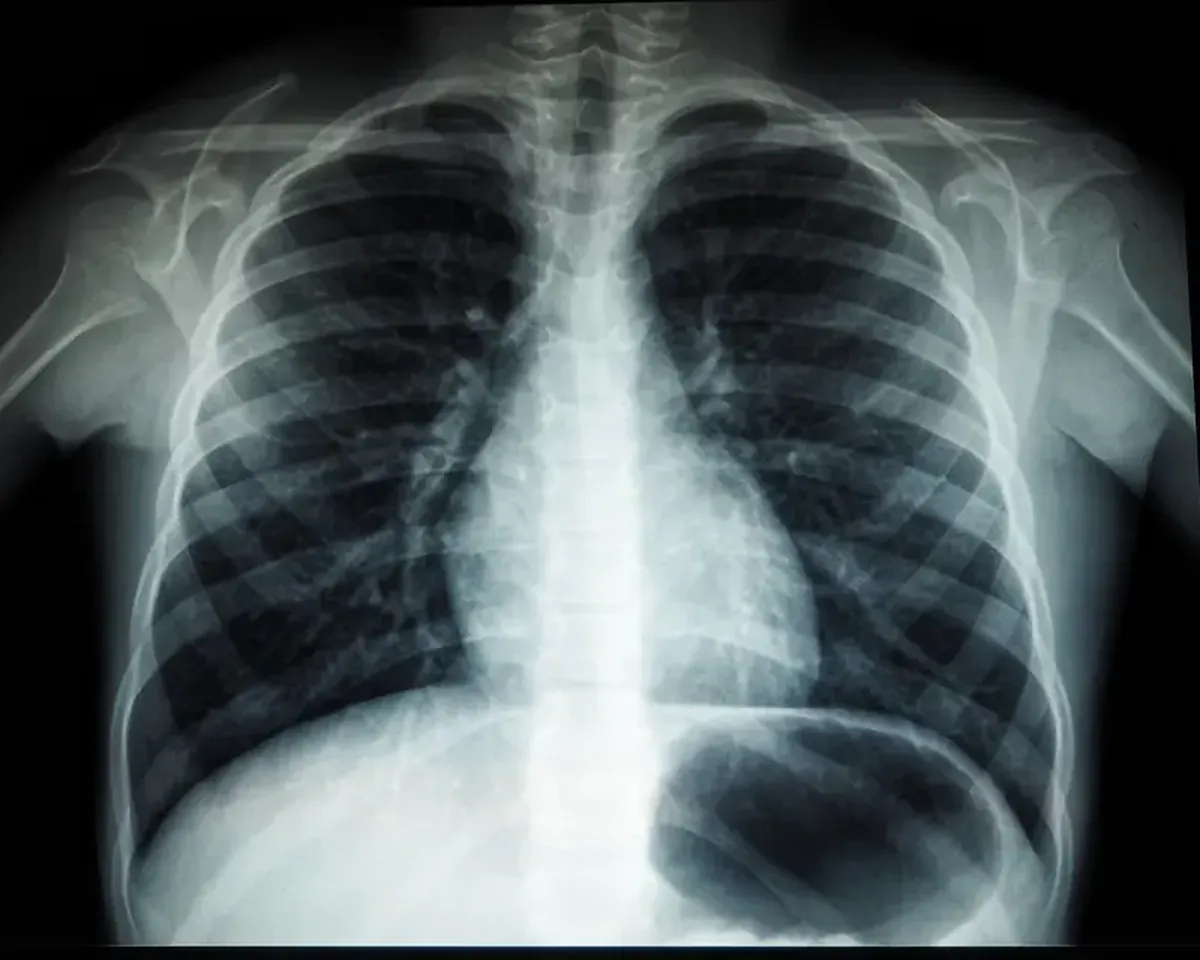 When the researchers compared the AI-predicted ages with the patients’ actual ages, they found a correlation coefficient of 0.95, meaning the AI’s estimates closely matched real ages.
Next, the researchers tested the model on another 34,197 chest X-rays from two medical centers. Those images came from people with known diseases. When the AI estimated age from these X-rays, Mitsuyama’s team observed a clear positive relationship between higher AI-estimated age and the presence of chronic diseases.
One Step Closer to New AI Predictions in Medicine
The team found that when the AI estimated a person’s age as higher than their chronological age, that person also tended to have persistent conditions such as high blood pressure or chronic bronchitis. In other words, the larger the gap between AI-estimated age and chronological age, the greater the likelihood of hidden chronic disease.
The researchers hope future studies will let them apply the model to more complex tasks: predicting lifespan, estimating survival chances for specific illnesses, and suggesting optimal treatment options. If successful, AI-driven diagnostics could expand significantly.
