
 Gaby
Gaby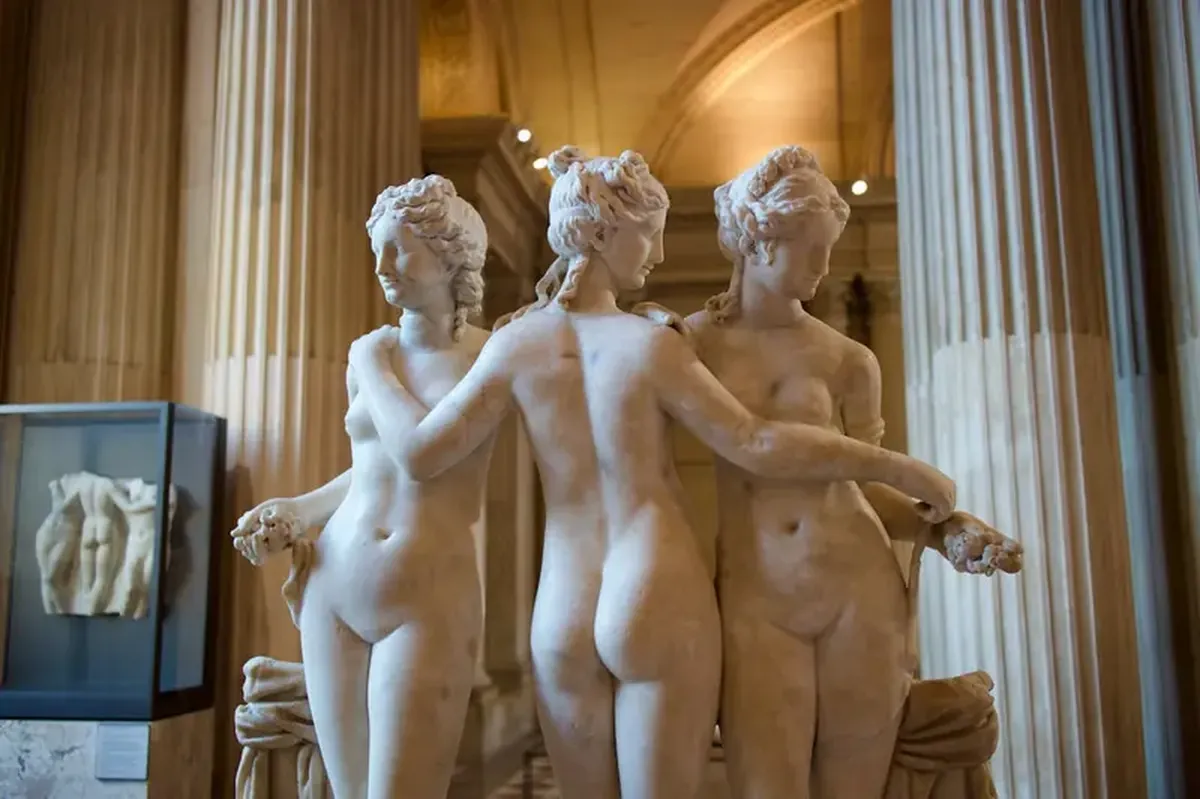
A team of researchers led by Cecilie Brøns, an archaeologist and curator at the New Glyptotek of Carlsberg in Copenhagen, found that ancient Roman and Greek statues often gave off scents like rose, olive oil, and beeswax.
These fragrances, as Bill Giannopoulos wrote in Greek City Times, “were not merely decorative but also symbolic, enhancing the religious and cultural significance of these sculptures.” In some cases, aromatic substances were also used to strengthen the statues and prolong their lifespan.
How Did the Researchers Discover This?
While reading ancient Greco-Roman texts, Cecilie Brøns came across several mentions of pleasant scents associated with statues. Intrigued, she decided to search for more texts on the topic.
She and her team found many references in the writings of Cicero, Callimachus, Vitruvius, Pliny the Elder, and Pausanias. Some of these authors described the anointing of statues of Greek and Roman deities. One account, reported by Smithsonian Magazine, described a statue of the Greek goddess Artemis that was erected in Sicily.
The statues were perfumed in various ways. In some instances, people polished them with a mixture of wax and oils—a technique known as ganosis. In other cases, the sculptures were coated with olive oil; this method, called kosmetes, helped protect the statues from the elements.

Ancient Greeks and Romans often painted their sculptures in vibrant colors and adorned them with jewels, fabrics, flowers, garlands, and ribbons. In contrast, today’s museums typically showcase white ancient statues stripped of embellishments. However, research by Brøns’s team suggests that this was not always the case.
By the time excavations of ancient artworks began in Italy during the Renaissance, the bright pigments had nearly faded away. Any colors that remained quickly disappeared once the statues were exposed to air and sunlight. During subsequent cleaning processes, the remaining hues were completely erased.
Johann Winckelmann, an 18th-century art historian and archaeologist, wrote: “The whiter the body, the more beautiful it is. Color contributes to beauty, but it is not beauty itself. Color should play a secondary role in the consideration of beauty, for it is not color but structure that constitutes its essence.”
The findings were published in the Oxford Journal of Archaeology.
