
 Gaby
Gaby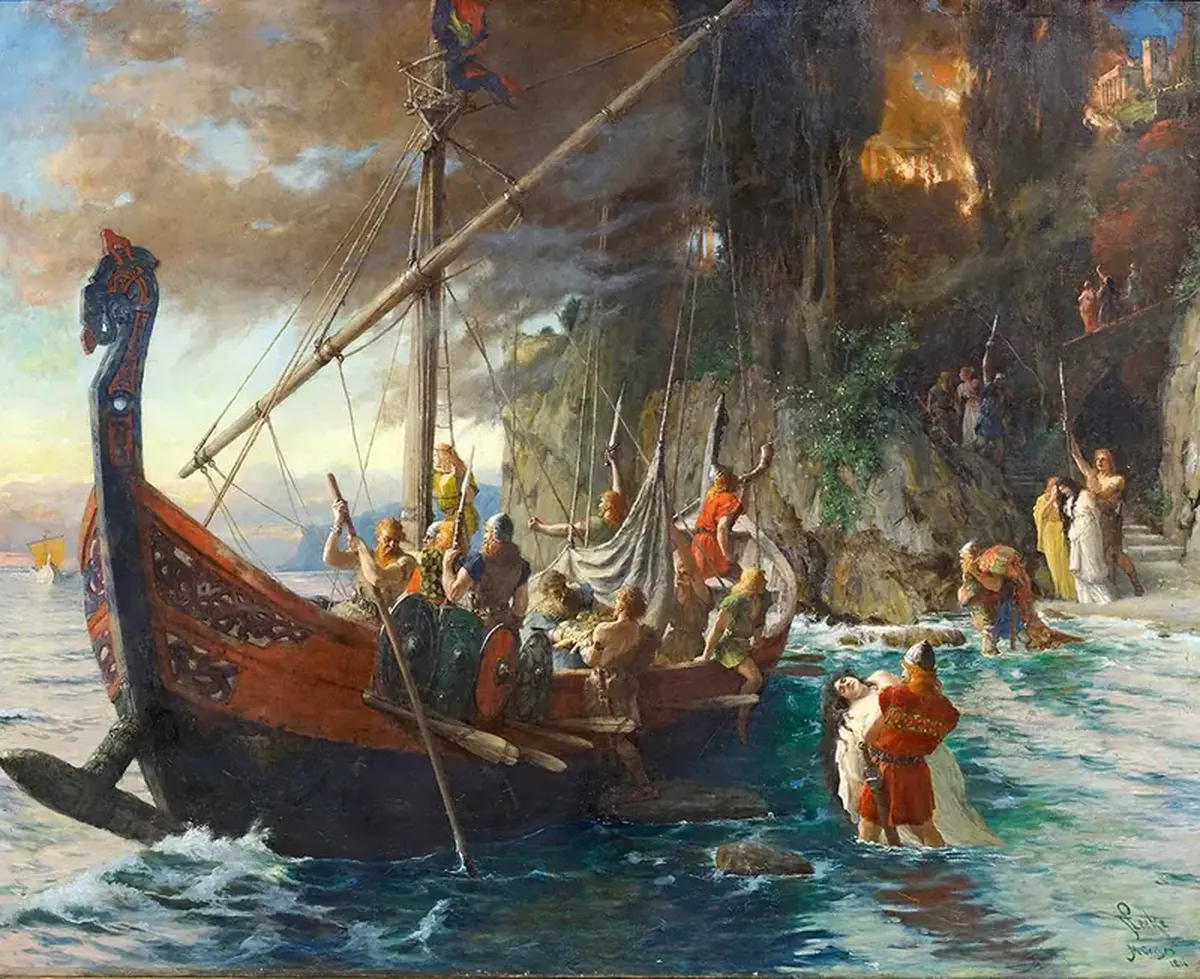
Vikings are usually shown as brutal, bloodthirsty warriors—battle axes in hand and horned helmets on their heads. In popular culture they storm ashore, plunder villages, and kill without mercy. But is that reputation justified? An international team of researchers seems to have found the answer.
“It’s not just about whether the Vikings were brutal,” said Daniel Meleno, an assistant professor of medieval and early modern history at the University of Denver. “Yes, they were brutal,” Meleno acknowledges. “The real question is whether they did anything that went beyond the norms of their time.”
Debunking the Stereotype
The Viking Age lasted from 793 to 1066 AD, coinciding with the European Middle Ages—a period marked by widespread brutality, Meleno pointed out. During that era, wars, slavery, and raids were commonplace. And the Vikings were no exception, as reported by Live Science. With fast, maneuverable ships, they became masters of surprise attacks from the sea.
One of the first famous Viking targets was the wealthy monastery on the British island of Lindisfarne in 793. Vikings often attacked poorly defended monasteries full of treasure. Those pagan assaults on Christian sites were recorded in contemporary chronicles as especially heinous and godless.
Unlike their southern neighbors, the Vikings lacked a written language for a long time. Most written accounts of Viking raids came from their victims or from later writers. Although Vikings were also traders, farmers, and fishermen, victims understandably focused on the violence, Meleno noted. Over the years, stories of Viking brutality have likely been embellished.
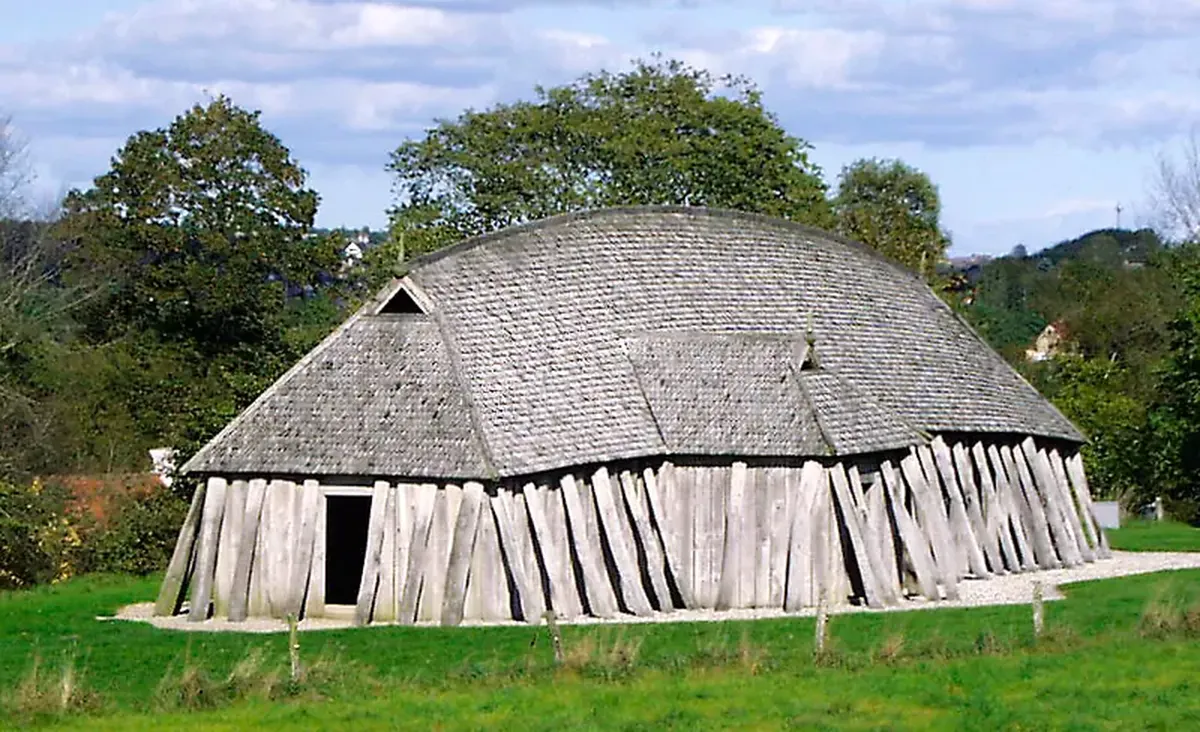
Reconstruction of Viking housing
“Some sources that describe the Vikings in the most negative light—as extremely fierce barbarians—actually date from a later period, around the 12th century,” emphasized Caitlin Ellis, an assistant professor of medieval history at the University of Oslo. Those later descriptions likely helped shape the violent Viking image we have today, Ellis added.
Moreover, discrepancies in some documents raise questions about their accuracy, Meleno said.
It’s worth remembering that Vikings weren’t the only group raiding and conquering in medieval Europe. For example, Saracens attacked territories that are now parts of France, Switzerland, and Italy, while the Magyars raided lands in what is now Bavaria. Meanwhile, Frankish king Charlemagne waged a years-long war against the Saxons, which involved mass killings and plundering in areas that are now Germany.
So was there a difference between Viking raids and other medieval conquest wars? Meleno says there was hardly any. But because Vikings didn’t represent a formal state, their actions came to be seen as more unpredictable and barbaric.
The Vikings were often judged more harshly simply because they weren’t fighting under a recognized state banner. In the eyes of many contemporaries, they came to look like a “band of pirates.”
