
 Gaby
Gaby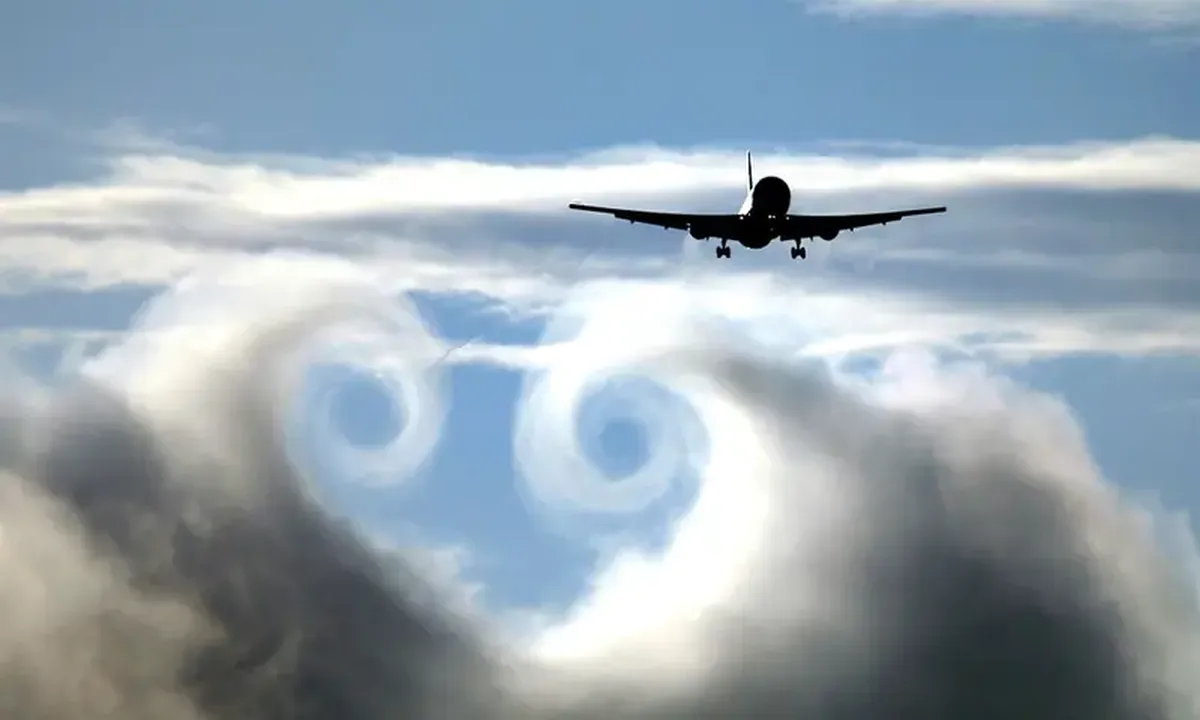
Pilots and passengers, brace yourselves: climate change is set to make air travel rougher. Researchers say turbulence will become more intense.
Lance Leslie and Milton Speer, professors at the University of Technology Sydney in Australia, found a link between abnormal wind gusts and global warming.
Using machine learning, they found that heat and humidity are the “key ingredients” behind dangerous wind gusts called downdrafts. These downdrafts can cause violent, chaotic air movement — especially during takeoff and landing — that plunges aircraft into turbulence.
“Our study is one of the first to detail the increased climate risk for airlines associated with thunderstorm microbursts, particularly during takeoff and landing,” Leslie and Speer said.
What Did the Scientists Discover?
Until now, most turbulence research has focused on threats to aircraft at high altitudes, such as clear-air turbulence and jet-stream instability.
However, there has been less research on turbulence hazards from low-altitude downdrafts. In their new study in the journal Climate, the scientists used machine learning to identify the climatic factors behind the phenomenon.
Their results showed that rising temperatures and higher humidity driven by climate change increase the risk to aircraft.
“Global warming increases the amount of water vapor in the lower atmosphere. A 1°C rise in temperature lets the air hold about 7 percent more water vapor. That extra moisture typically comes from warmer seas: it evaporates from the ocean surface and fuels clouds. The added heat and moisture then lead to stronger thunderstorms,” the scientists explained.
According to the researchers, the main danger thunderstorms pose for aircraft is sudden changes in wind speed and direction at low altitudes. Small downdrafts just a few kilometers wide, known as “microbursts,” can cause those abrupt shifts.
For passengers, that means turbulence that can jolt aircraft in all directions, the Daily Mail reported. Smaller planes are particularly vulnerable to low-altitude turbulence.
“Small aircraft with 4 to 50 passenger seats are more vulnerable to strong wind gusts from thunderstorm microbursts,” the experts added.
As global temperatures continue to rise, microbursts will intensify.
Leslie and Speer urged airlines and flight-safety authorities to be more vigilant during takeoff and landing as the climate warms.
Will Reports of Turbulence Injuries Rise?
Commercial air travel is still one of the safest modes of transportation, but recent months have seen several reports of aircraft encountering severe turbulence.
In March, five passengers on a United Express flight were injured by extreme turbulence, prompting the aircraft to make an emergency landing in Texas.
And in June, nine people were injured after a Ryanair flight hit an area of severe turbulence, leading its pilots to make an unscheduled landing.
