
 Carlos Solis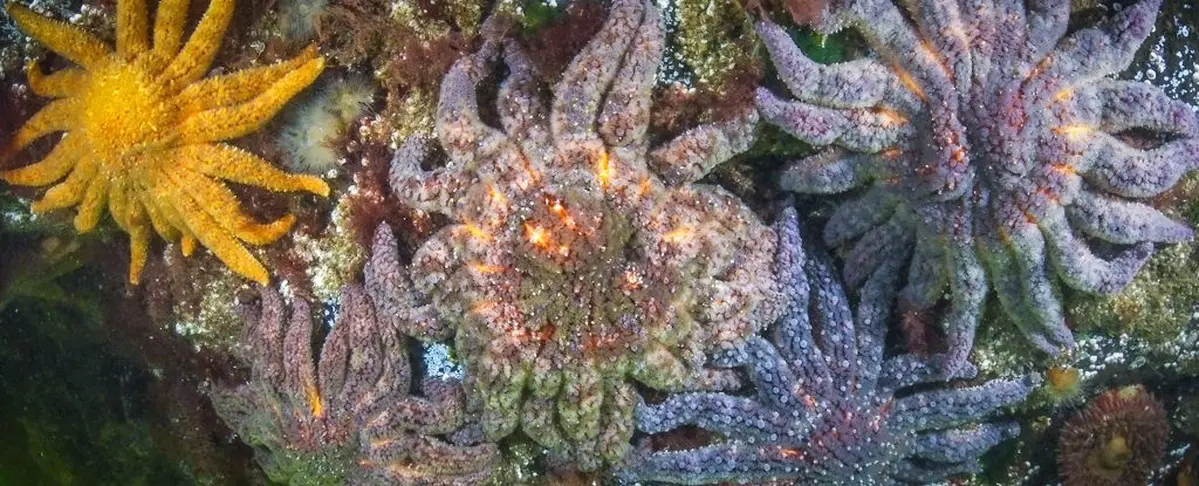
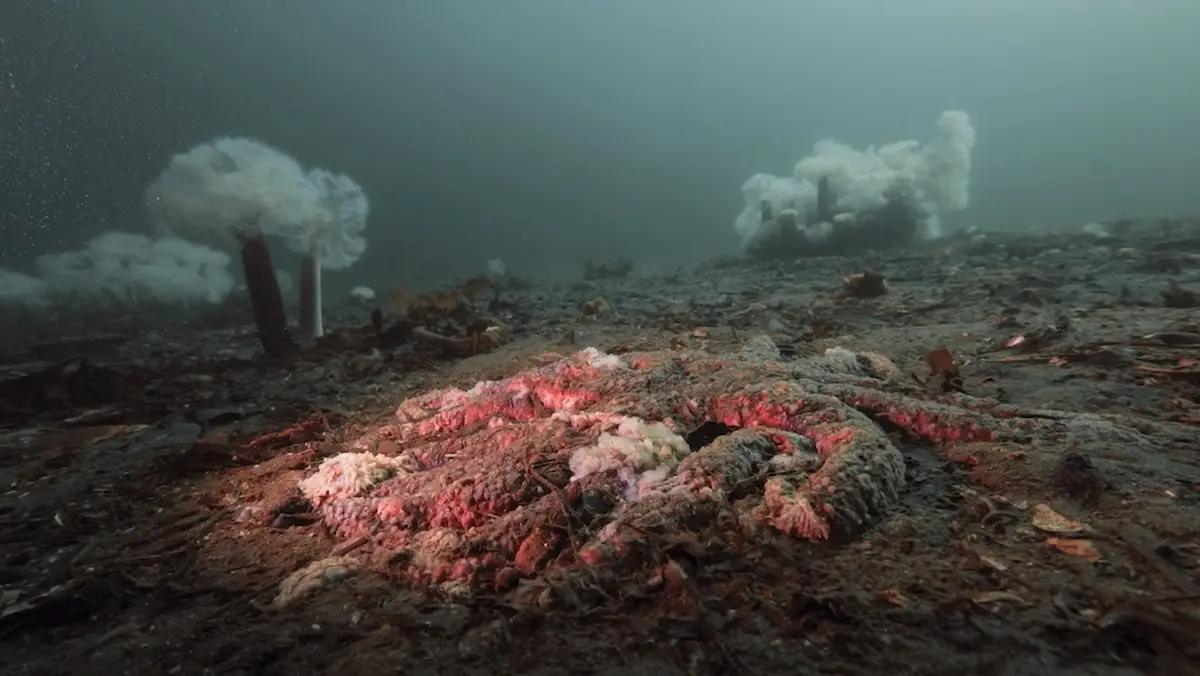
In recent years, billions of sea stars have perished in the world’s oceans. Their hard, spiny bodies have turned into a gooey mass because of an unknown disease.
Scientists have finally identified the culprit. Four years of gene sequencing and lab experiments helped researchers pinpoint the cause of the devastating sea star disease: the bacterium Vibrio pectenicida.
What is known about the deadly sea star disease?
The outbreak, first reported by biologists in November 2013, swept along the entire west coast of North America. Soon after, similar reports of sea star die-offs appeared worldwide, affecting more than 40 species.
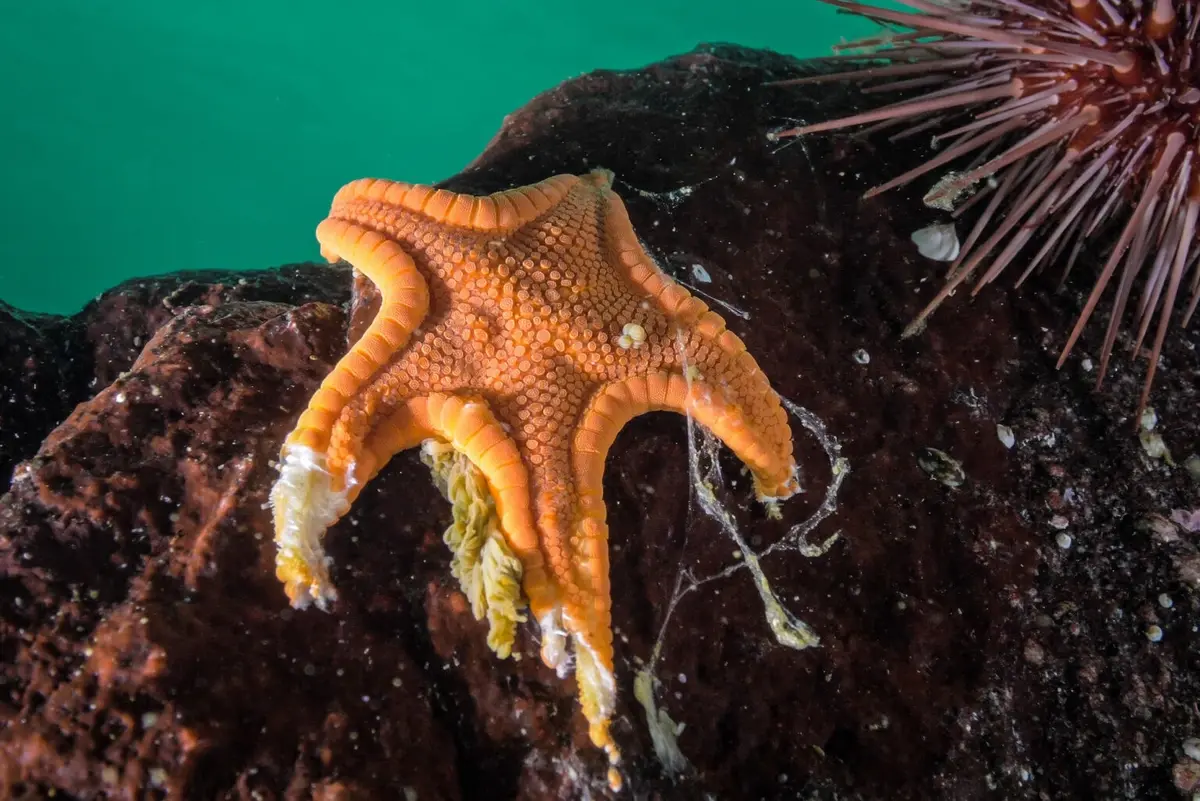
The disease starts with lesions on the sea star’s bumpy surface. Then the animals’ muscles begin to break down; their arms distort and eventually fall off. Within a few days, the sea star dies.
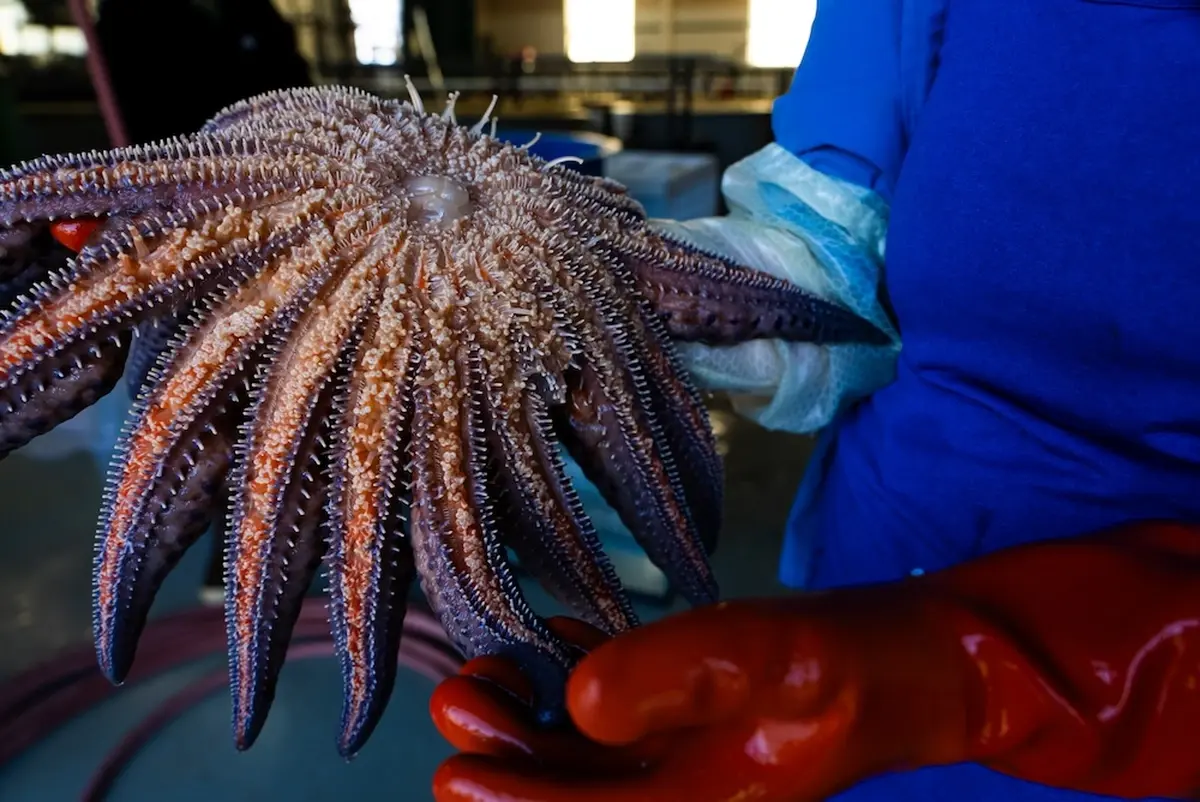
The sunflower sea stars (Pycnopodia helianthoides) were particularly hard hit in the early years, with their population declining by more than 90 percent. These sea stars, adorned in shades of orange and purple, can have up to 24 arms. However, the disease, combined with marine heatwaves driven by human-caused climate change, has wiped out a significant portion of these vibrant animals.
By 2015, they had virtually disappeared from shores along the west coast, from Alaska to Mexico. Consequently, in 2020 the International Union for Conservation of Nature listed the species as endangered.
Key players in the ecosystem
These creatures play a crucial role in the marine ecosystem. They feed on sea urchins, which graze on kelp. Without sea stars, urchin populations would explode, devastating kelp forests and leaving barren seafloors.
That alarming scenario has pushed researchers to look for rescue solutions. Kelp forests are vital habitats for ecologically, culturally, and commercially important species such as sea otters, seals, sea lions, fish, lobsters, crabs, and shrimp. These forests absorb carbon dioxide and help protect coastlines from severe storm impacts, according to Science Alert.
What have scientists learned?
Vibrio pectenicida belongs to the same genus as the bacteria that cause cholera in humans and some forms of coral bleaching. But as marine ecologist Drew Harvell of the University of Washington said, “This Vibrio is a sly organism — it doesn’t show up in histological studies the way other bacteria do.” That stealth may come from its ability to produce an immune-inhibitory toxin.
At first, Harvell and her colleagues suspected a virus. So they were surprised to find the pathogen in a more common group of bacteria. Several factors made identification difficult: finding healthy sea stars for comparison, the lack of visible pathogens in affected tissues, and limited knowledge about marine infectious diseases.
Evolutionary ecologist Melanie Prentiss, the lead researcher, ran seven controlled impact experiments with sunflower sea stars raised in quarantine.
When healthy sea stars contacted infected tissue or fluid, they soon showed symptoms: their limbs curled up and the animals eventually died.
Researchers knew that if the pathogen were viral, it would pass through a 0.22-micron filter or survive heat treatment. But sea stars exposed to infected material that had been filtered or heated survived. That result pointed to a bacterial origin.
RNA sequencing of infected sea star samples from both the laboratory and the ocean revealed Vibrio pectenicida, a bacterium already known to infect scallop and oyster larvae. The research team isolated a strain called FHCF-3 from infected sea stars and used it to infect healthy ones. Soon their arms began to curl and “melt,” confirming the team had found the pathogen.
Researchers say climate change likely played a role in the outbreak because Vibrio pectenicida thrives in warm water. Some sunflower sea star populations persist in the cold-water fjords of British Columbia, where the bacteria may be unable to reproduce.
The findings were published in the journal Nature Ecology & Evolution.
