
 Gaby
Gaby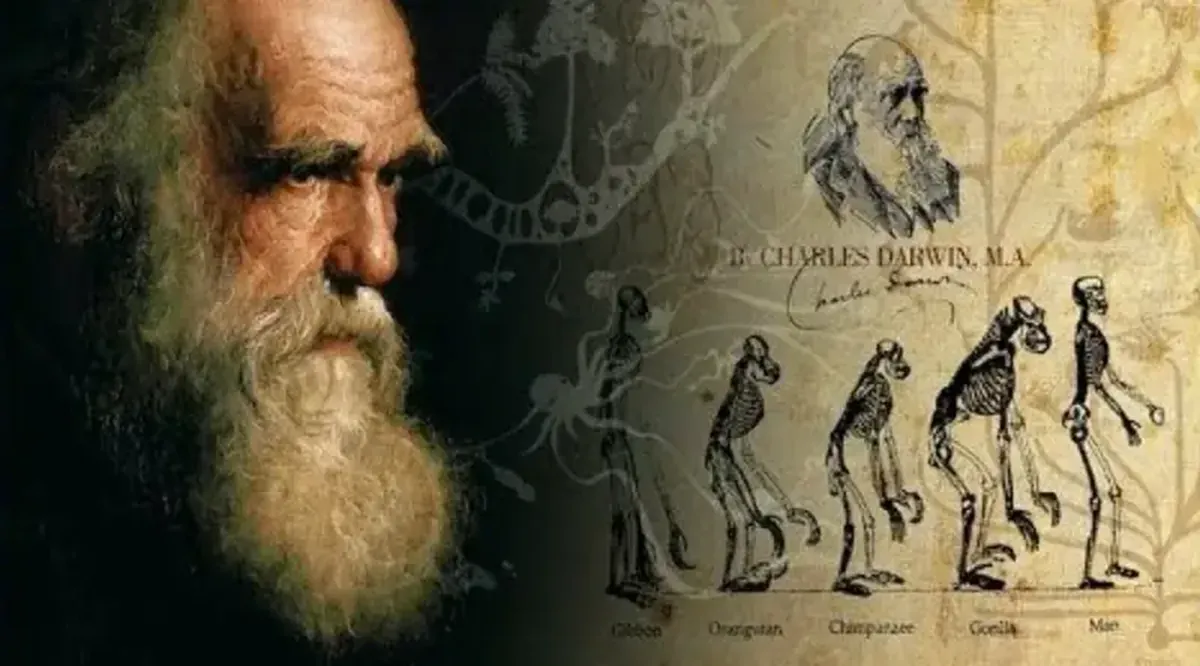
This biography traces how a boy who struggled in school and lost his mother at eight managed to make up for early academic setbacks at two British universities and go on to become a scientist who challenged established ideas about human origins. What pushed a naturalist from a family of scientists and industrialists—one of the first to argue that all living things descend from common ancestors—into conflict with the church? What was radical about his scientific views, and what led to those breakthroughs?
What Charles Darwin Accomplished
Aware of earlier naturalists like Carl Linnaeus and Jean-Baptiste Lamarck—Linnaeus faced fierce criticism for grouping humans with other primates, and Lamarck died largely ignored—Darwin delayed publishing his theory of evolution for about 20 years because he feared the backlash. While many theologians insisted that species were fixed and created by God, Darwin argued otherwise. He proposed that all species evolve from common ancestors and identified natural selection as the main mechanism of that change in 1859; he later developed ideas about sexual selection as well.
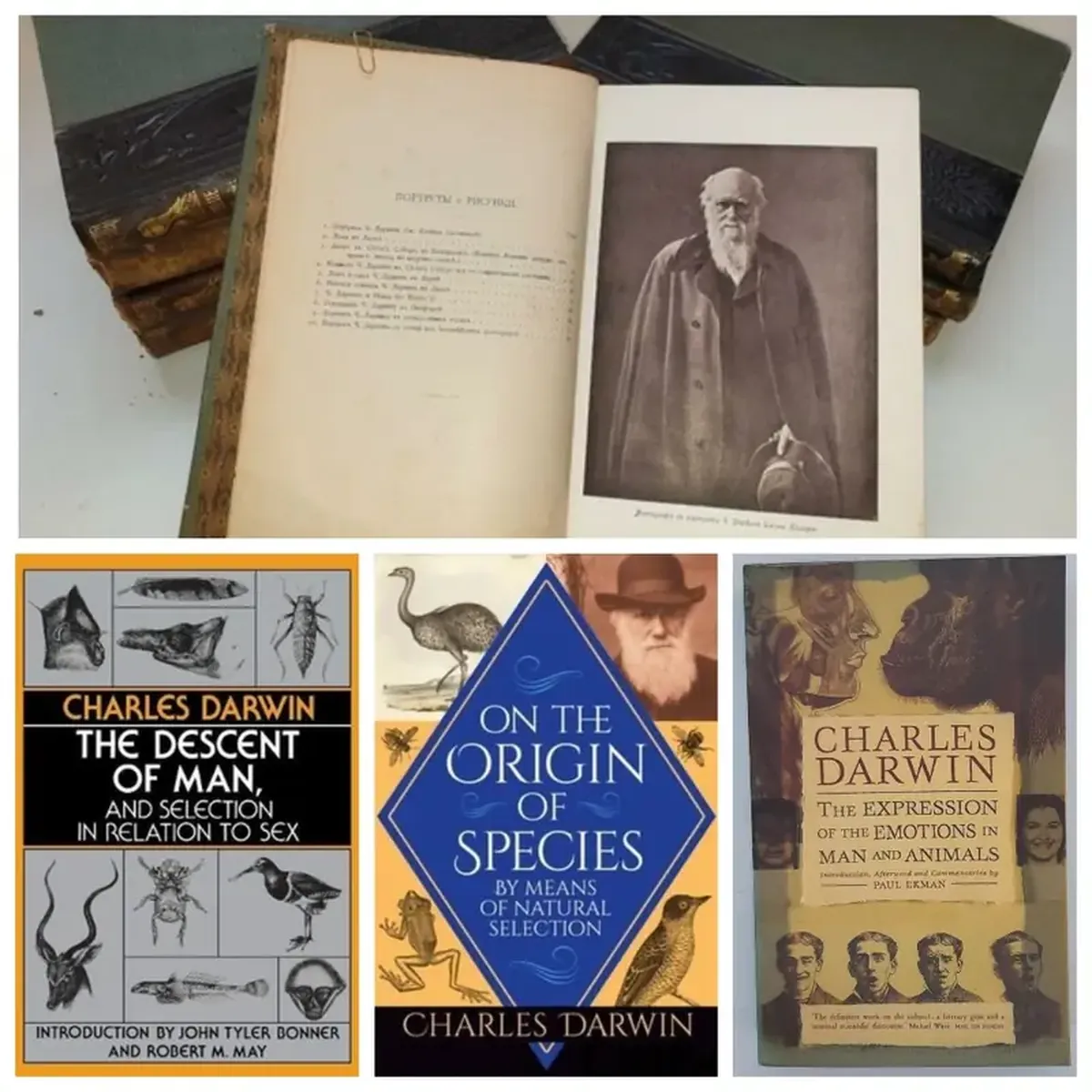
Darwin wrote one of the first comprehensive studies on human origins, arguing that apes and humans share a common ancestor. He published early work in animal behavior by studying emotional expressions in humans and animals, proposed a model for coral reef formation, became a leading expert on barnacles, and carried out experiments and offered ideas about heredity. His work laid the groundwork for the modern synthesis of evolutionary biology and remains central to explaining biodiversity. The term “Darwinism” came to describe the core ideas that shape contemporary scientific views on evolution.
Hereditary Naturalist
Charles Darwin was born on February 12, 1809, the fifth of six children of physician and financier Robert Darwin and his wife Susannah, at the family estate Mount House in Shrewsbury. On his father’s side his grandfather was Erasmus Darwin, a naturalist; on his mother’s side his grandfather was Josiah Wedgwood, a prominent potter. His father allowed him to take communion in the Anglican Church, while other family members were Unitarians, a liberal Christian denomination that emphasized a free search for truth.
By the time he began school, Charles was already conducting nature experiments and collecting specimens. In 1817, when he was eight, his mother died and his upbringing fell to his father. He attended Shrewsbury School with his older brother Erasmus, where the classical curriculum bored him. The teachers couldn’t spark much interest in the “struggling student”: literature mattered less to him than collecting butterflies and beetles. Within a year he had assembled insect, shell, and mineral collections and soon developed an interest in chemistry.
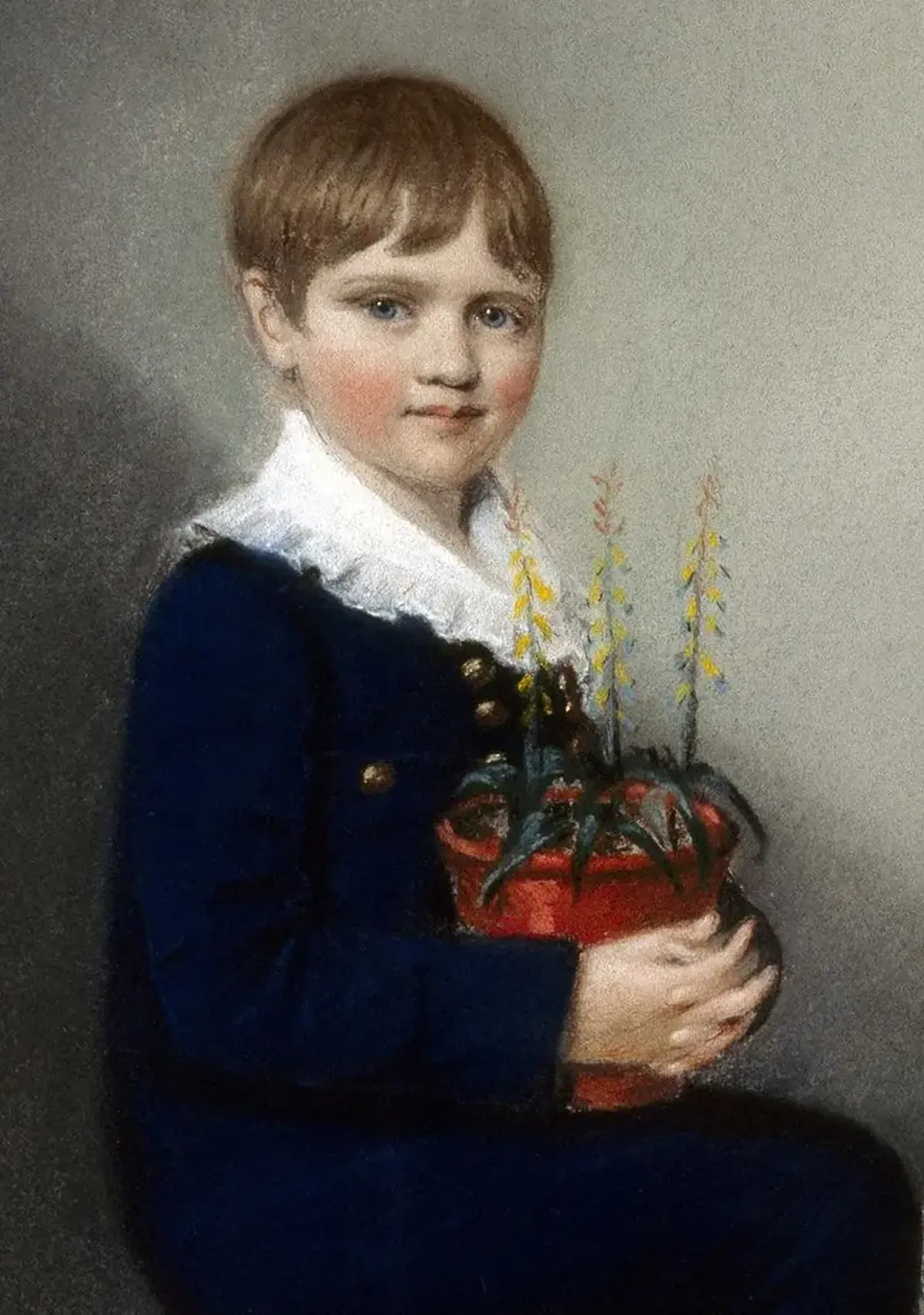
Charles as a child (1816)
His Universities
With middling school marks, Charles went with his brother Erasmus to the University of Edinburgh to study medicine, hoping at first to follow his father’s profession. In the summer of 1825 he helped his father treat the poor, but medical lectures failed to engage him. Instead he took up taxidermy and joined the Plinian Society, where he encountered radical ideas and presented his first research on marine invertebrates.
Two years later his father learned that Charles had abandoned medicine. The next step was Christ’s College, Cambridge, which trained Anglican clergy. He liked that lectures were voluntary; that freedom let him spend time riding, shooting, hunting, and collecting insects. Some of his finds were rare enough to appear in James Francis Stephens’ Illustrations of British Entomology. By 1831, Darwin had progressed in theology, literature, mathematics, and physics and ranked tenth in his class of 178 graduates.
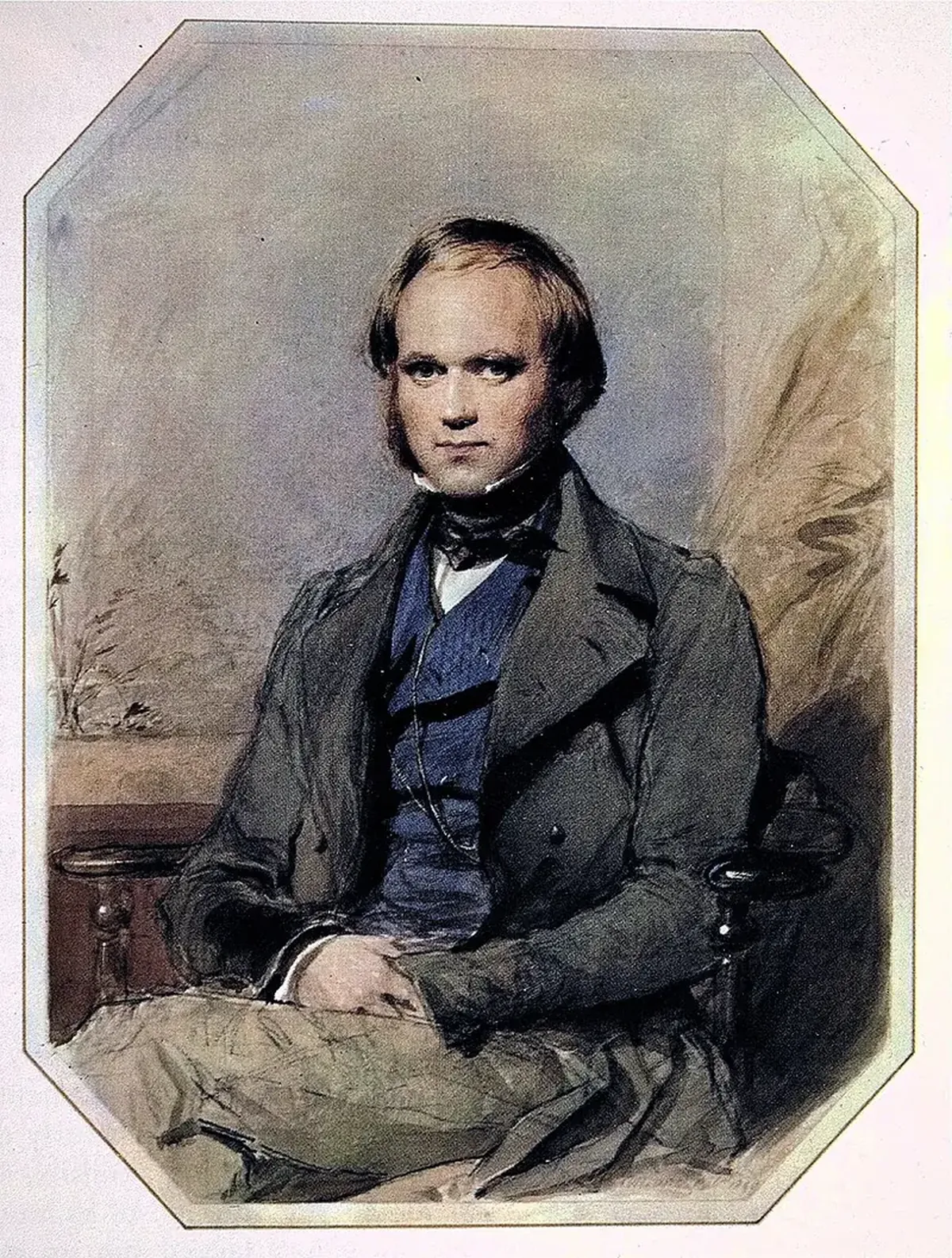
A Suitable Candidate for an Unpaid Position
After graduating, Darwin wanted to study natural history under tropical conditions. He took a geology course with Adam Sedgwick and helped map rocks in North Wales. Back from that summer expedition, he received a letter from John Stevens Henslow, his mentor in botany and mineralogy. Henslow called Darwin “a suitable candidate for an unpaid position as a naturalist” and recommended him to Captain Robert FitzRoy for a long expedition to South America.
Darwin was due to embark on a five-year voyage aboard the Royal Navy ship Beagle in four weeks, and he accepted the offer. He needed his uncle’s help to persuade his father to let him go, and in 1831 the young graduate set off on a round-the-world journey, returning home in October 1836. On the voyage he visited the Cape Verde Islands, the Galápagos, Tenerife, Brazil, Argentina, Uruguay, Tierra del Fuego, and Tasmania. The city of Darwin in Australia recalls his time there. He returned with a wealth of observations that he described in several books.
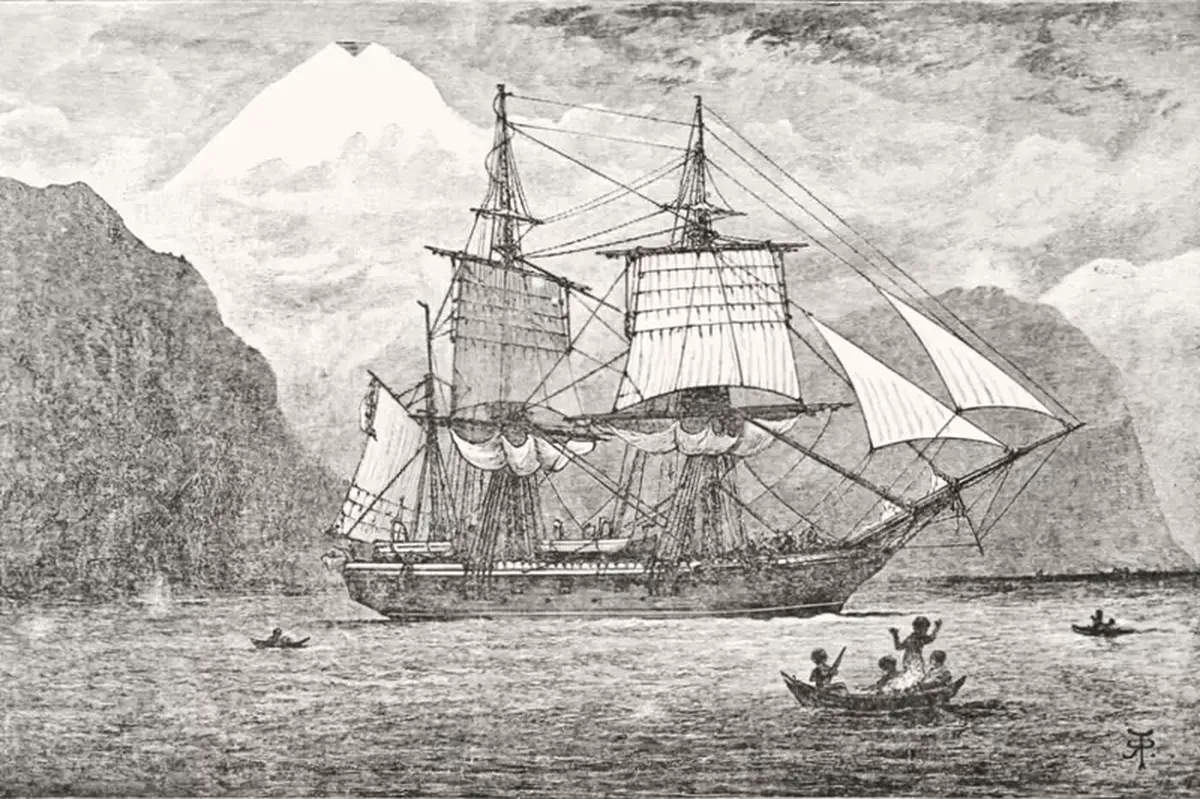
The Royal Navy ship “Beagle”
Man and Ape
On the Beagle were three people from Tierra del Fuego whom the English had taken on earlier and planned to return home with as missionaries. Darwin found them friendly and civilized, and he noted that Europeans often labeled such people “savage.” He compared the differences between their societies and European societies to those between wild and domesticated animals, concluding the gap was cultural rather than racial. That shaken the idea of an unbridgeable divide between humans and animals and helped him think about common ancestry for humans and apes.
Even today some people reject that view, and Darwin had a fierce opponent on the ship in Captain FitzRoy. FitzRoy later said that when he first met Darwin he almost didn’t take him because of… the shape of his nose. The captain believed character linked to facial traits and thought a round nose signaled a lack of energy and determination—qualities he considered essential for the voyage. Darwin suffered severe seasickness, yet he continued diligent research that proved invaluable.
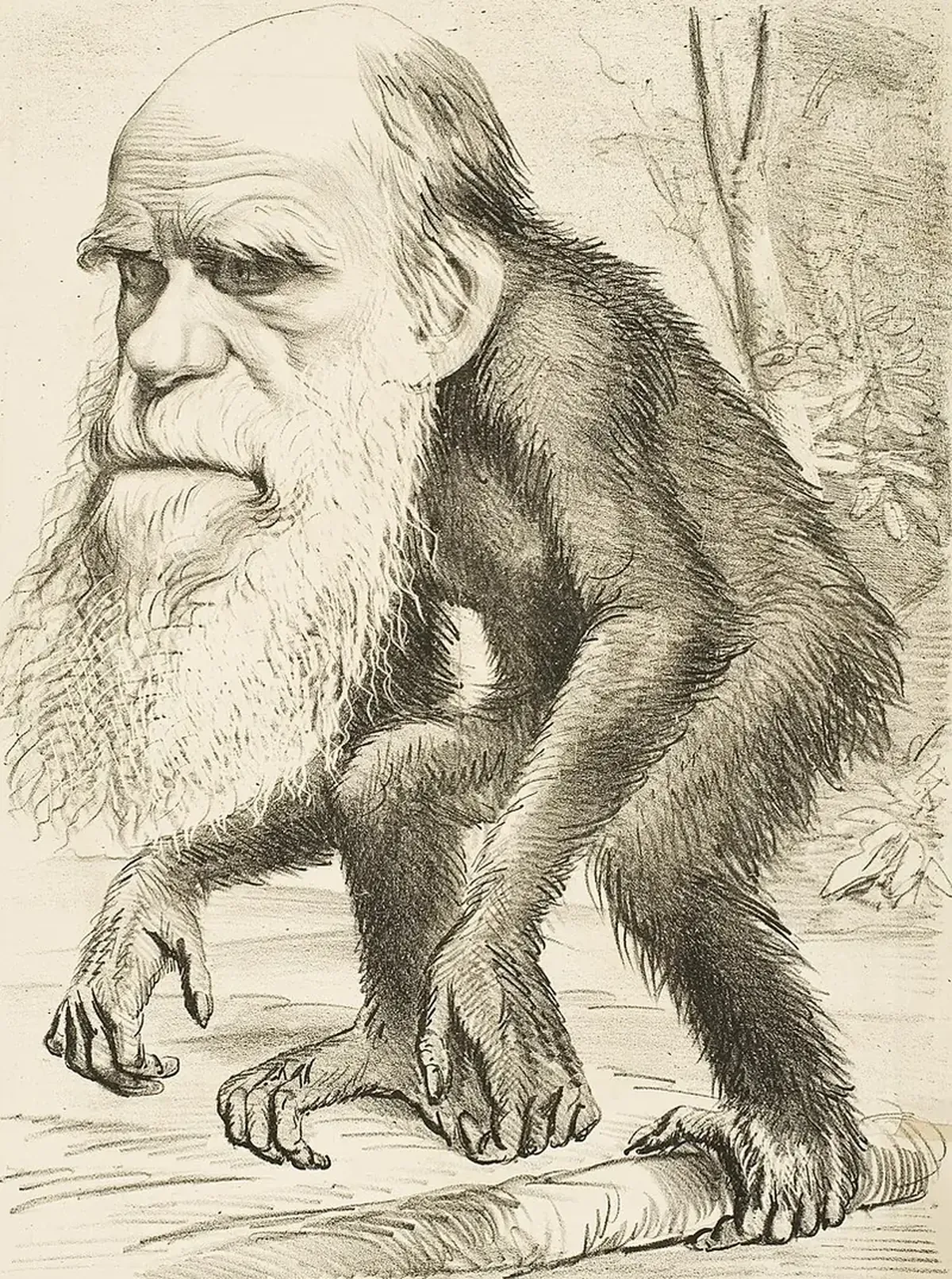
A caricature depicting Darwin with the body of an ape
The “Blasphemous Book”
FitzRoy could be difficult. Crew members described him as having an “unbearable” personality but also praised his energy, courage, decisiveness, sense of duty, and generosity. Darwin acknowledged FitzRoy’s nobility and called his treatment of him kind, but said living and dining with the captain in close quarters could be truly trying: “We quarreled several times because in his irritation he was incapable of thinking.” FitzRoy later joked that Darwin “more than paid for his place on board the ship.”
Their relationship worsened because of politics and religion. Darwin opposed British colonial excesses, while FitzRoy defended slavery and the government’s colonial policies. FitzRoy’s religious dogmatism made him unable to accept Darwin’s doubts about the immutability of species. Years later FitzRoy denounced Darwin for publishing what he called a “blasphemous book,” On the Origin of Species, in which Darwin argued that species change over time and descend from common ancestors.
Science and Religion
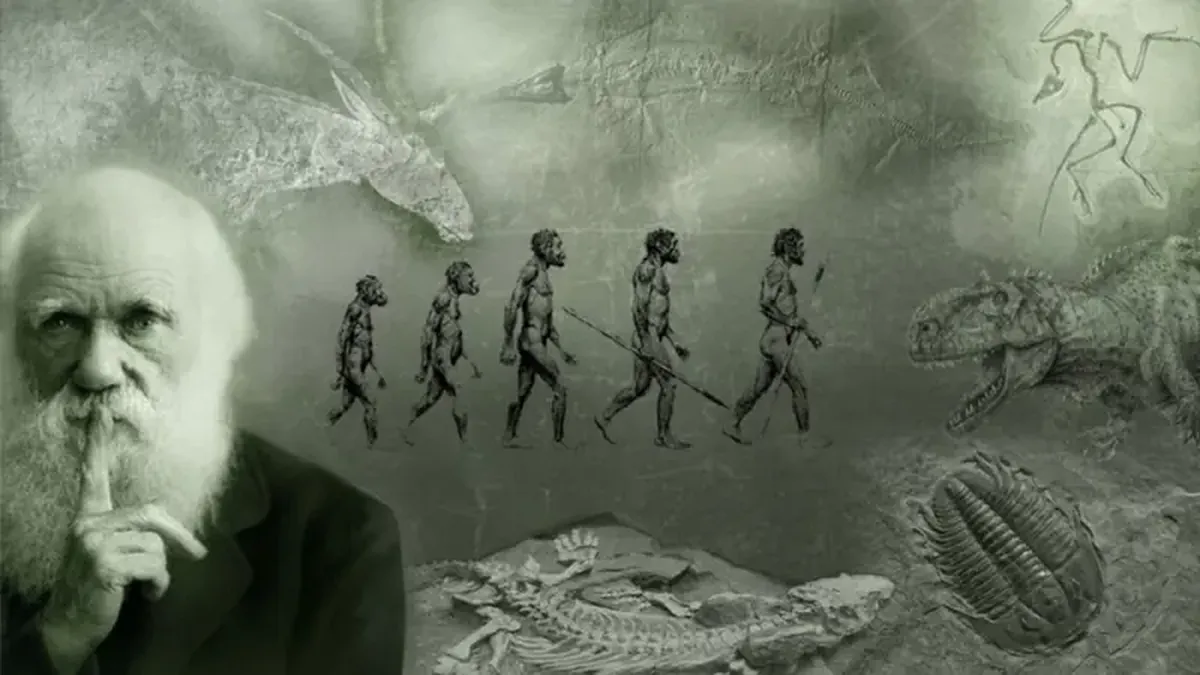
Darwin trained for the Anglican clergy at Cambridge and knew its theology well, but over time he began questioning the literal truth of the Bible. Early on he agreed with William Paley’s natural theology, which saw design in nature as evidence of a Creator. After the Beagle voyage, however, his views diverged from the biblical account of the world’s history.
Back in England, Darwin quietly gathered evidence of species’ variability, aware that many naturalists would find such work subversive. He continued to support his local church and help parishioners with community matters, but he increasingly preferred walking to attending Sunday services. Although Darwin described himself as agnostic, his views moved toward atheism. In 1868 he wrote that “it cannot be asserted that religion is not opposed to science,” and he suggested that “for people of science, it might be wisest to completely ignore religion.”
The “Detestable Doctrine”
At first Darwin saw religion as a form of tribal survival strategy, but his observations—like a wasp paralyzing a caterpillar to feed its larvae—deepened his doubts about an all-good Creator. The death of his ten-year-old daughter Annie in 1851 further weakened his faith and pushed him away from theism.
In his Autobiography he wrote, “Thus, doubt gradually crept into my soul, and eventually, I became a complete unbeliever.” He described the change as slow and without torment, adding that it was hard to accept Christian doctrines that threatened eternal punishment for nonbelievers: “A detestable doctrine!”
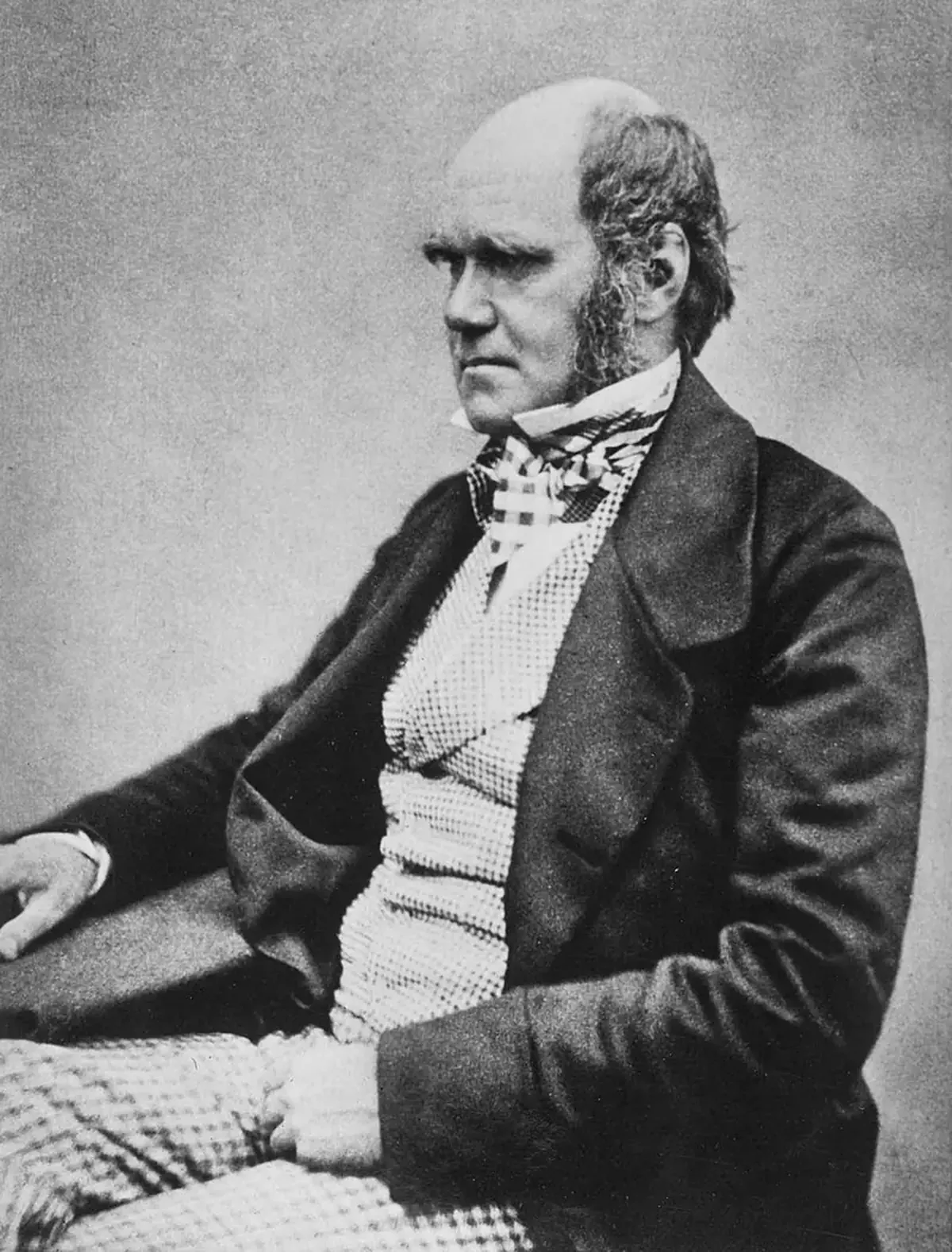
Did He Suffer from a Beetle?
After the Beagle voyage Darwin fell ill and withdrew from public life. For a long time people assumed he avoided gatherings to escape critics, but his reclusiveness is now often linked to panic attacks and an unclear chronic illness. He told a botanist friend that “to share one’s guesses is like confessing to murder.” In his diary he described symptoms including depression, low immunity, rashes, eczema, boils, mouth ulcers, gum and tooth problems, joint pain, nausea, frequent vomiting, abdominal pain, palpitations, severe headaches, and insomnia.
His son Francis wrote that “for forty years, my father never felt completely healthy, and his entire life was a struggle with the stress and exhaustion caused by illness.” Family records show he had scarlet fever as a child, and skin and stomach problems recurred throughout his life, suggesting both organic and hereditary components to his poor health. Doctors have proposed many hypotheses over the years, from food intolerances to tropical infections acquired in South America; one suggestion has been Chagas disease, transmitted by a blood-sucking insect. Darwin also took many remedies that likely worsened his condition, including arsenic, bismuth, quinine, and morphine.
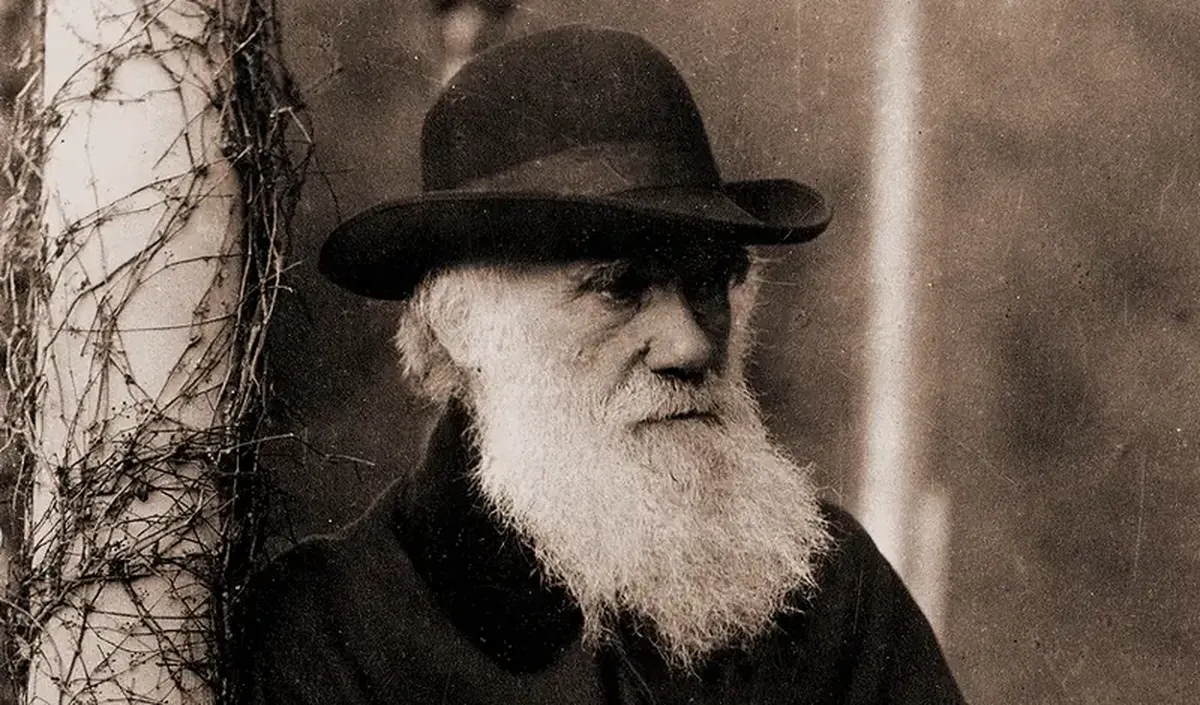
How Many Children Did Darwin Have?
Between 1838 and 1841, while serving as secretary of the Geological Society in London, Darwin married his cousin Emma Wedgwood. The couple first lived in London and then moved to Down in 1842. At Down, Darwin kept a quiet, structured life that let him be productive despite poor health. He and Emma had ten children, three of whom died in childhood. Darwin worried that close kinship with his cousin-wife contributed to the children’s poor health, and his observations about the risks of inbreeding and the benefits of more distant mating appear in his work.
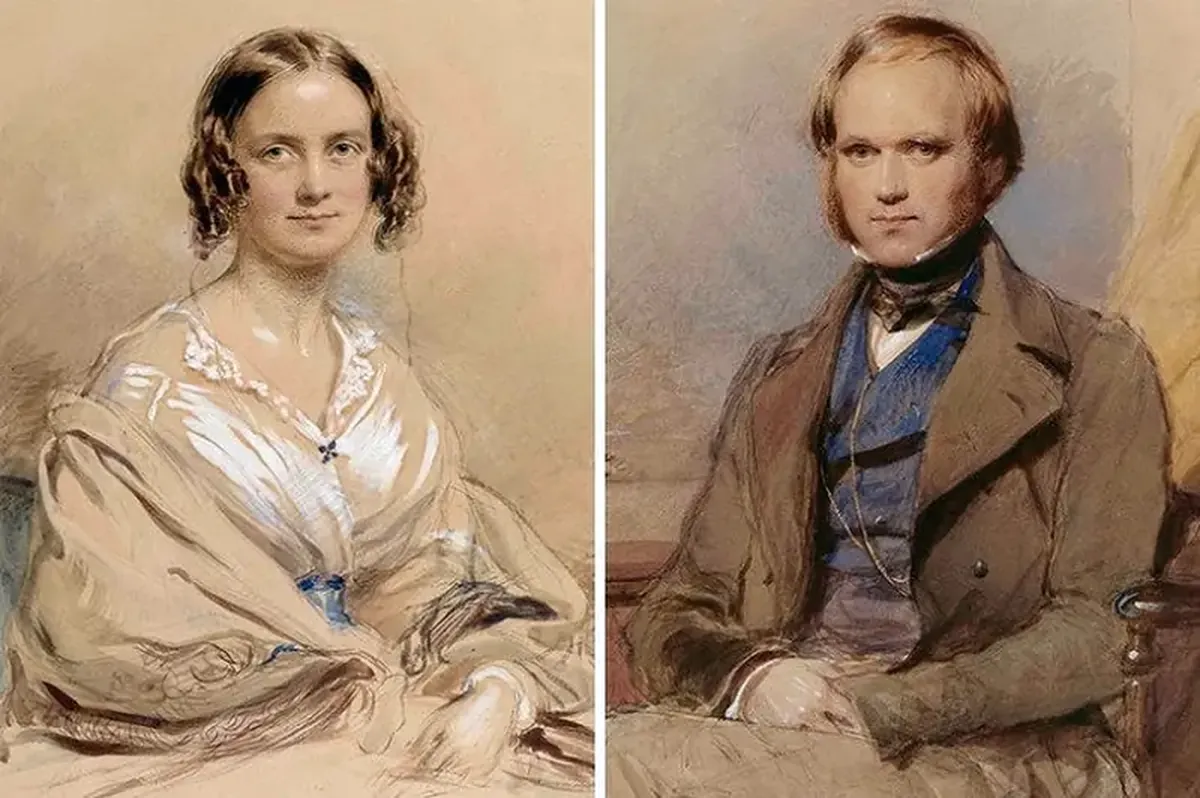
Emma Wedgwood and Charles Darwin
Still, many of Darwin’s children and grandchildren did well. His sons included a banker, a botanist, a mathematician and astronomer, the head of the Royal Geographical Society, an engineer, and the mayor of Cambridge. Charles Darwin died on April 19, 1882, and was buried in Westminster Abbey in recognition of his contributions. The Royal Society later established honors in his name, including the Darwin Medal and the Darwin Plaque, awarded for achievements in biology and related fields that reflect the areas where Darwin worked.
