
 Gaby
Gaby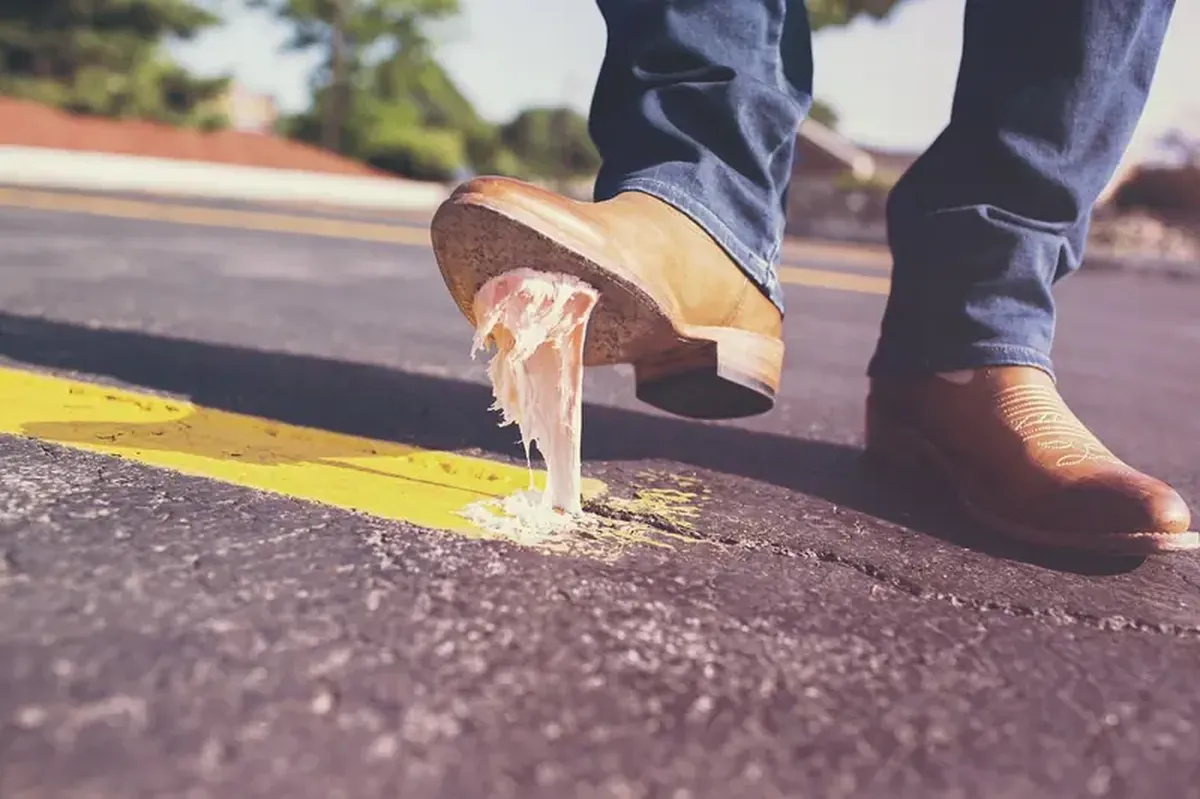
Most types of chewing gum sold in stores are made from synthetic rubbers derived from petroleum, similar to the plastics used in car tires.
“If that makes you uneasy,” says David Joyce, a researcher at the University of Portsmouth. He is one of the few people raising awareness about gum as a source of plastic pollution.
Joyce has studied environmental pollution for more than 15 years. People he talks to are often disgusted when they learn they’ve been chewing a piece of plastic.
Gum manufacturers typically don’t advertise what their products are made of. There’s no strict industry definition for gum’s synthetic base. Some brands even promote gum as “beneficial for oral health,” working with dentists worldwide.
Chemical analyses of gum have found styrene-butadiene (a petroleum-derived synthetic rubber used in car tires), polyethylene (the plastic used for bags and bottles), and polyvinyl acetate (an adhesive used in wood glue), along with sweeteners and flavorings.
Why Is the Truth About Chewing Gum Hidden?
The chewing gum industry is a massive business, valued at $48.68 billion. Reliable statistics on gum production are scarce. Some estimates put production at about 1.74 trillion pieces worldwide each year.
Joyce’s calculations put that total at 2.436 million tons of product. About 30 percent of that weight—about 730,000 tons—comes from the synthetic base.
Like other plastics, synthetic chewing gum doesn’t biodegrade and can persist in the environment for years. It hardens, cracks, and slowly breaks into microplastics. Cleaning up that pollution is expensive because it requires a lot of labor, Science Alert reports.
How Is Society Addressing the Problem?
Some countries, including the UK, were among the first to recognize the dangers of chewing gum. Public places now feature containers for collecting used gum; some of those containers are made in the Netherlands. The goal is to get people who would otherwise spit gum on the ground to use them instead.
Some British streets have signs urging responsible disposal. Also, a growing number of small manufacturers now offer plant-based gum alternatives.
But as with single-use plastic items, gum pollution needs a comprehensive response: education, waste reduction, innovation, manufacturer accountability, and regulatory legislation.
Informing people about what chewing gum is made of will help reduce its consumption and improve the disposal of used products. More transparent labeling on packaging will allow consumers to make more informed choices. Implementing stricter regulations will hold manufacturers accountable for plastic pollution. Revenue from taxes on synthetic resins could be allocated to environmental initiatives.
Chewing gum is yet another source of plastic pollution. It’s time to treat it that way.
