
 Carlos Solis
Taking antipsychotics, diuretics, and anticholinergic medications poses the highest risk in the current weather conditions. Primarily, elevated temperatures affect antibiotics, hormonal medications, and medications based on bacterial cultures. We explore how medications alter our adaptability to high temperatures and review our summer medicine cabinet: what to keep and what to toss?
How Heat Affects Medication: A Scientific Explanation
Heat can significantly impact the effectiveness of familiar medications and intensify their side effects. This happens because high temperatures alter metabolism and receptor sensitivity to drugs. The body’s water–salt balance and the rate at which medications are distributed and eliminated also change. Heat affects drug efficacy in a measurable way: it can speed up or slow down the enzymes that break down and clear active substances from the body. That leads to lower or higher concentrations of the therapeutic agents in the bloodstream, changing effectiveness and increasing the risk of side effects.
An example of how heat affects medications is their distribution in body tissues. Changes in blood flow or cell membrane permeability can cause drugs to accumulate in the wrong tissues and fail to reach their intended targets in sufficient quantities. Certain drugs need to bind to specific receptors to be effective, and heat can alter receptor sensitivity and responsiveness, changing the drug’s action or amplifying its side effects. Heat also increases sweating, which can lead to dehydration and disrupt the water–salt balance. That affects medications that are eliminated by the kidneys or that regulate metabolism.
Because heat increases the load on the cardiovascular system, people with heart conditions—especially those with hypertension—may see their symptoms worsen. Blood pressure medications should be taken regularly at the same recommended times. Do not stop taking heart medications on your own during the summer, even if blood pressure seems to normalize, because stopping can trigger a sudden spike. Similarly, do not change prescribed dosages or timing without talking to your doctor: pay attention to changes in how therapeutic agents feel in the heat and adjust treatment with medical guidance.

Which Medications Should Be Avoided in the Heat
Vulnerable categories of medications include antipsychotics, diuretics, and anticholinergic agents. Anticholinergics in particular impair thermoregulation and suppress sweating, which in hot weather can lead to overheating of the body and heat stroke (aspirin, acetaminophen, and nonsteroidal anti-inflammatory drugs are not recommended for treating heat stroke).
Antipsychotics and High Temperatures
Antipsychotics affect the hypothalamus—the part of the brain that regulates body temperature. That interference can hinder the body’s normal cooling process during heat, increasing the likelihood of heat stroke and other severe conditions caused by disrupted thermoregulation and lowered blood pressure. Side effects of antipsychotics in the heat include tremors and muscle spasms (known as extrapyramidal symptoms).
Antipsychotics also affect hydration: they can reduce the sensation of thirst, which may lead to dangerous dehydration in hot conditions. Combined with dehydration, the blood-pressure–lowering effects of antipsychotics can cause dizziness, fainting, and related complications that increase the risk of accidents. Taking antipsychotics in the heat can worsen overall well-being, producing weakness, headaches, nausea, and vomiting.
The Dangers of Diuretics in the Heat
Diuretics increase the risk of dehydration and disrupt electrolyte balance. In hot environments the body already loses fluid through active sweating, and diuretics, by removing fluid, further exacerbate dehydration, which can lead to significant fluid loss. This is especially risky for older adults, who may not feel thirst as acutely and adapt more slowly to heat.
Along with fluid, diuretics also flush electrolytes such as potassium and sodium from the body. A deficiency of these minerals can cause heart rhythm disturbances and muscle cramps. By overloading the kidneys, diuretics can trigger a sharp drop in blood pressure and dizziness. Diuretics can also affect metabolism and cause unwanted effects such as skin reactions.
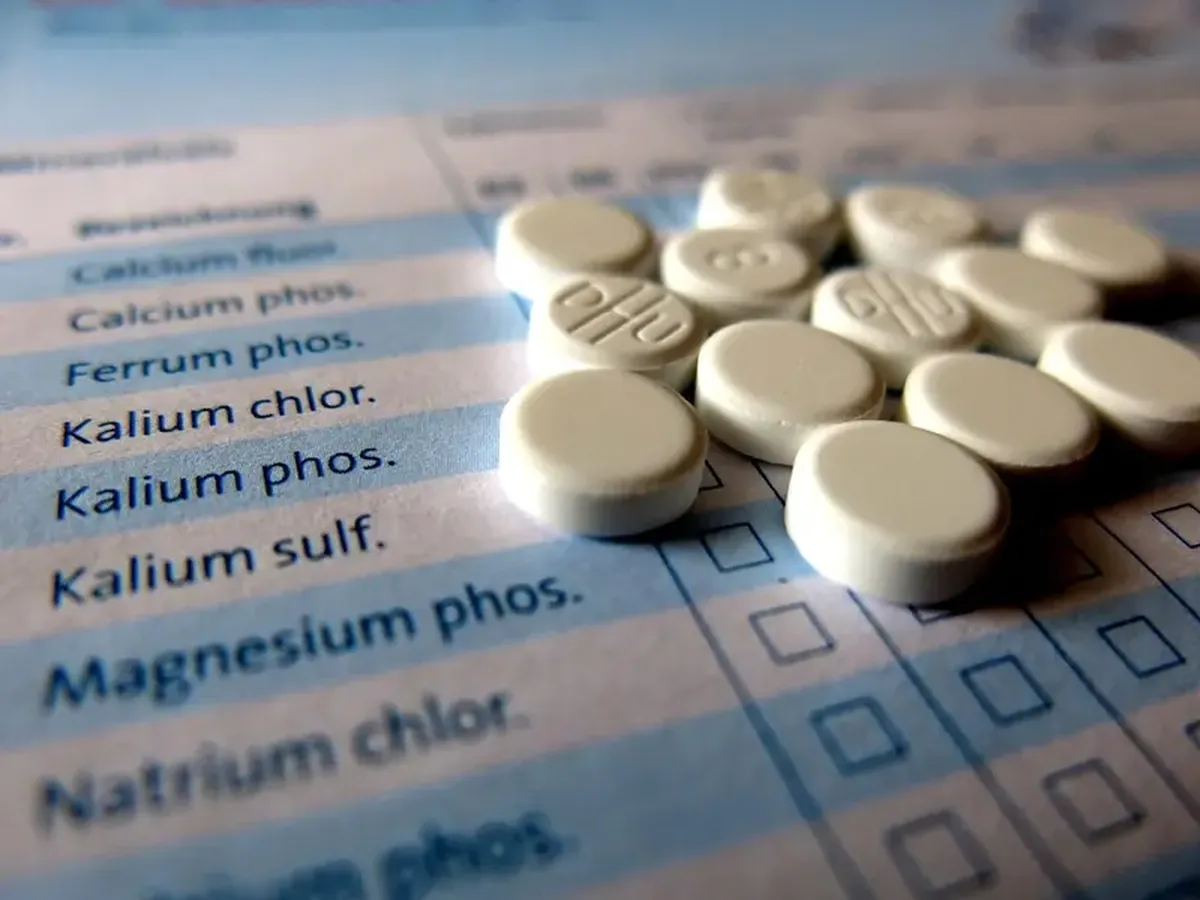
Side Effects of Medications in the Heat
A hot summer can turn once-beneficial and otherwise safe medications into harmful ones. This can include drugs used to treat bronchial asthma, allergies, depression, and hypertension. Beta-blockers or ACE inhibitors (angiotensin-converting enzyme inhibitors), which treat hypertension, increase the risk of fainting in the heat because they can cause a sudden drop in blood pressure.
A side effect of selective serotonin reuptake inhibitors (SSRIs) is increased sweating, which raises the risk of dehydration in hot weather. Over-the-counter allergy and asthma medications, as well as drugs used in comprehensive Parkinson’s disease treatment, can reduce sweating and therefore increase the risk of overheating and heat stroke by impairing the body’s natural cooling mechanism.
Characteristic effects include:
- Pain relievers and sedatives can make hot weather feel more bearable, reducing awareness of the heat;
- Antidepressants and antipsychotic medications can reduce sweating;
- Thyroxine and sympathomimetics can stimulate sweating;
- Beta-blockers and antianginal medications reduce heart contractility;
- Dehydration caused by diuretics slows the elimination of drugs and toxins because blood flow to the liver and kidneys is reduced, causing fluctuations in heart rate;
- Some opioids (such as morphine), laxatives (such as lactulose), or drugs that induce vomiting or diarrhea (such as colchicine) can lead to electrolyte imbalance;
- Nonsteroidal anti-inflammatory drugs, sulfonamides, and indinavir can impair kidney function.
Switching to new medications during the summer to avoid unwanted side effects is not ideal, because the risk of adverse reactions increases during the adaptation period to a new drug. To reduce the negative impact of heat on the body, make sure to drink enough water and avoid excessive physical activity and overheating.

Top Medications That Spoil in the Heat
Store medications in a dry, dark, cool place—preferably in the refrigerator when required, but not in the freezer. Some medications are sensitive to high temperatures and can spoil under improper conditions. These include medications that degrade with heat, change chemically, become unstable, and lose effectiveness: insulin; certain vaccines and serums; antibiotics; hormonal medications; solutions for injections or infusions; ointments; and suppositories. While a common recommended storage temperature for many medications should not exceed 25°C, insulin must be kept at strictly controlled temperatures between 2–8°C.
Medications that are picky about storage conditions (light, humidity, temperature) include blood thinners, nitroglycerin (these medications should not be stored above 25°C), glycoside-based drugs, and medical fats. Follow the storage instructions on the packaging, and use solutions promptly after preparation. Do not use medications that have changed color, smell, or consistency. Never leave medications in high humidity or direct sunlight.
This answers whether medications can be kept in the sun and whether they spoil in the heat. Do not store your home medicine cabinet in the bathroom, kitchen, or on a windowsill, and protect a summer medicine cabinet in the car from sunlight and overheating. Keep it in the cabin—in the glove compartment or door pocket—but not on the dashboard or in the trunk. When exiting a vehicle in the heat, take the medicine cabinet to a cool place, because a vehicle can heat up to 70°C—at that temperature medications can become unusable. On an airplane, keep your medicine cabinet in carry-on luggage, since the temperature in the cargo hold is not controlled.
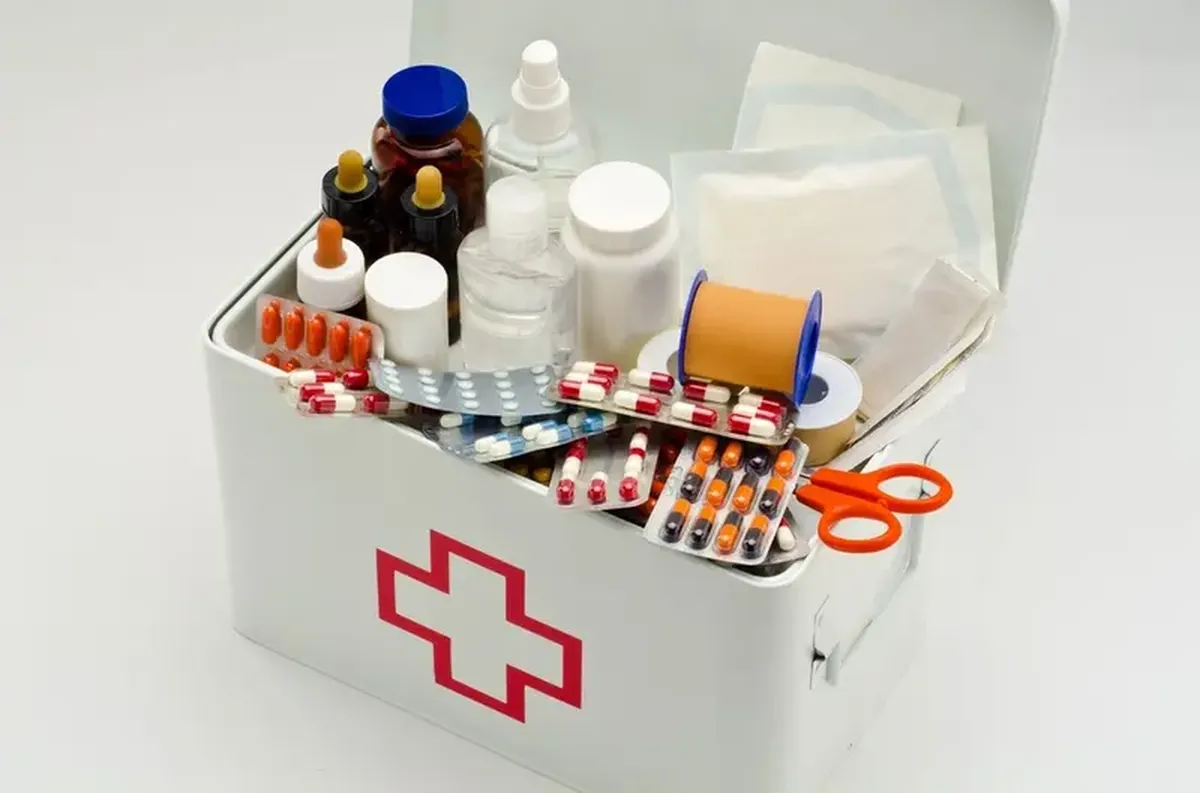
Summer Medicine Cabinet: What to Keep and What to Toss
Once a chemical reaction has occurred, it is impossible to restore a spoiled medication. However, do not throw medications in the trash or pour them down the drain, because they are hazardous to people and animals and pollute the environment. What should you do if medications have overheated? In large cities, spoiled and expired medications can often be returned to pharmacies for disposal (such services are available in Kyiv and Lviv, for example). If there are no special collection points in your area, pack spoiled medications tightly in a container to prevent access. Pay attention to disposal instructions: guidelines may be included on the packaging.
When reviewing your medicine cabinet in the summer, discard medications that have been stored at high temperatures; opened bottles and ampoules; expired medications; medicines stored in damp places; vaccines, hormones, and ampoules with sediment; pills that have changed color; tablets not in blister packs; and unknown medications. What you can keep in your summer and travel medicine cabinet, if necessary, includes essentials: antihistamines; heart drops or heart medications; eye drops; pain and fever relievers; medications for motion sickness, nausea, and diarrhea; insect repellent; sunscreen; and wound care supplies—all of which should be kept up to date.
Do not store medications with damaged primary packaging. Each medication should show its name, expiration date, dosage instructions, and administration guidelines. Store medications in a waterproof plastic container. Medications with a recommended storage temperature of 10–15°C should be kept on a side shelf of the refrigerator—in a closed container or plastic bag to protect them from moisture. Review your home medicine cabinet every six months. When replenishing its contents, buy necessary medications only from pharmacies that adhere to temperature-control standards for storing medicines in the heat.
Photo: pexels.com
