
 Gaby
Gaby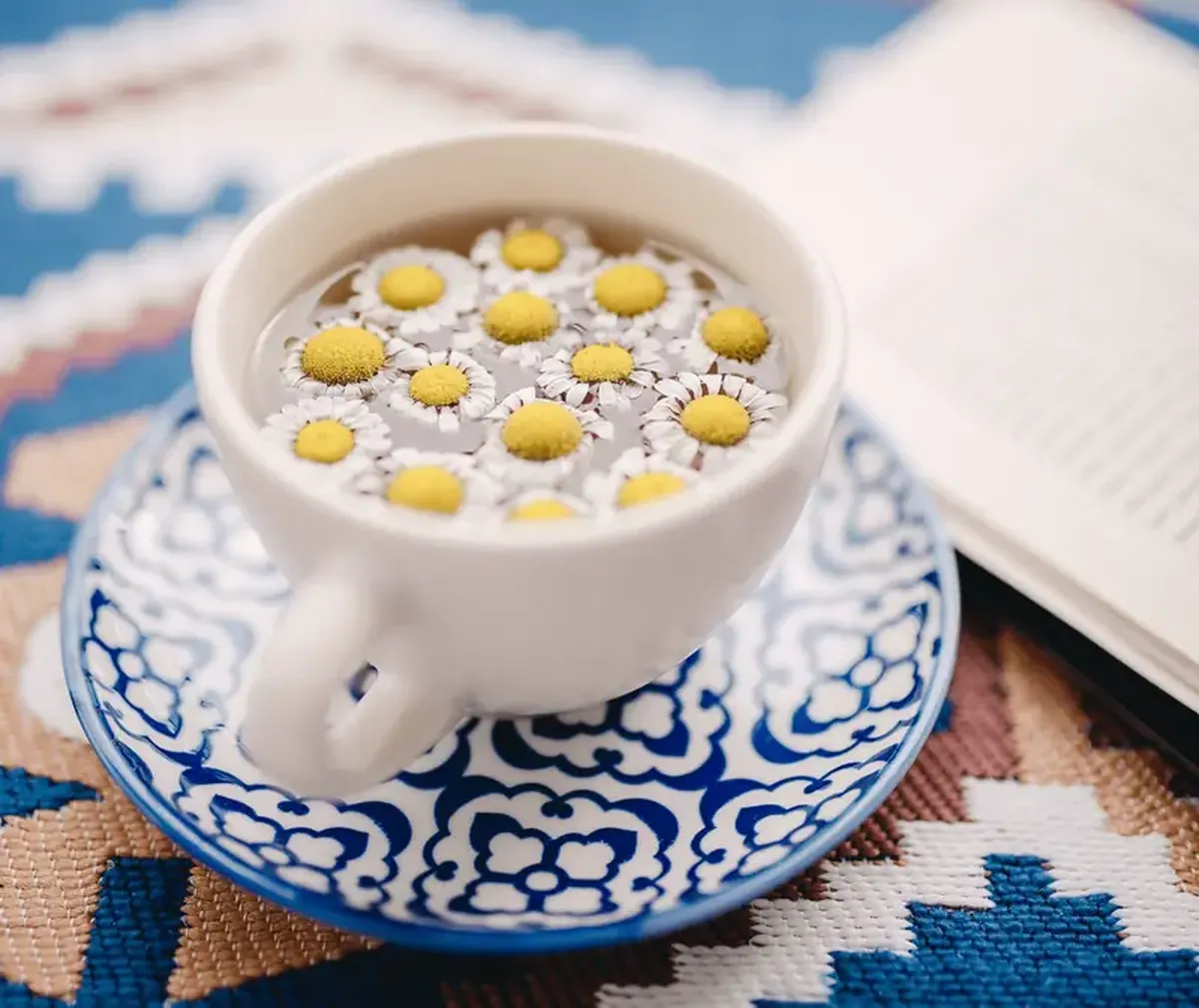
The worries and stresses of wartime put our emotional balance and psychological resilience to the test. Can the widely recommended chamomile help restore calm and productivity? Which plants actually have the power to relax us?
Theory and Practice
The idea of treating insomnia and anxiety with chamomile’s chemistry is plausible. The active component of the plant extract, apigenin, plays a key role in promoting drowsiness. This compound interacts with inhibitory receptors in the brain.
However, studies on chamomile’s sedative and relaxing effects have produced mixed results. In 2015, an experiment published in the Journal of Advanced Nursing found chamomile effective: postpartum women who drank calming tea regularly for two weeks experienced relief from postpartum depression, anxiety, and insomnia.
That benefit did not appear in a different control group that did not receive chamomile tea. Conversely, a 2011 study using chamomile extract capsules over a month found only slight improvements in anxiety levels and sleep duration compared with a placebo.
Experts say many accompanying factors can affect the nervous system throughout the day and before bedtime. They singled out the habit of using devices in bed as a stress-inducing behavior. Bright screens, loud noises, heat, stuffiness, illness, and stress all harm sleep quality.
Sleep medicine specialists acknowledge that an evening cup of chamomile tea can help with relaxation, especially for people who expect it to be calming. In other words, the drink may help those who are ready to let go of anxiety and fall asleep.
Recommended Beverages
So this pleasant ritual won’t do any harm, and you can enjoy a fragrant herbal tea before bed. Herbal blends for stress and tension have long been part of traditional health recipes passed down through generations.
The most common calming ingredients include chamomile, peppermint, lemon balm, valerian, motherwort, chicory, St. John’s wort, hops, hawthorn, and dandelion.
Peppermint Drink with Lemon Balm and Basil
Nervousness shows up in many ways, including sleep problems. If you wake regularly in the middle of the night and can’t fall back asleep, try lemon balm, peppermint, and green basil. Use dried or fresh herbs. For 250 ml of water, take a tablespoon of the mixture (equal parts of all ingredients), steep it, and drink it at night when you have sleep disturbances.
Peppermint Drink with St. John’s Wort
Get a gentle calming effect with a tea made from peppermint and St. John’s wort (2:1). Steep a teaspoon of the herbs in a cup of boiling water for 15 minutes, strain, and drink with a teaspoon of honey before bed.
Hawthorn Tea
Brew dried hawthorn flowers and fruits together or separately. Pour a tablespoon of the raw material or mixture into 200 ml of boiling water and steep for half an hour in a teapot or thermos. Drink regularly for high blood pressure, headaches, and insomnia.
Catnip Calming Tea
The mild sedative effect of catnip helps with insomnia caused by chronic fatigue. Brew fresh or dried catnip. Pour a tablespoon of the herb into 200 ml of boiling water and add the infusion to any tea or beverage. Expect the calming effect to appear shortly.
Chicory and Dandelion Tea
Mix a teaspoon each of dried chicory and dandelion roots, pour two cups of boiling water over them, and steep covered. You can enjoy this fragrant drink twice in the evening. Have the second cup as needed; this tea has a pleasant taste. The drink supports the nervous system and promotes cardiovascular health.
Motherwort Tea for Irritation
When it’s hard to keep your composure, motherwort can help restore calm. One tablespoon of this fragrant herb can ease irritability and low mood. Brew the herb in a cup of boiling water and consume three times a day for nervousness and sleep disturbances. Avoid taking it with meals. For best results, follow a two-week course.
Chamomile Blend for Nervous Disorders
Mix six parts dried chamomile flower heads with one part caraway seeds and four parts valerian. Pour boiling water over the mixture (one cup of water per tablespoon of mixture) and steep for 15 minutes under a lid. Strain, add a teaspoon of honey, and take a single dose at night for two weeks. Then take a week off and, if needed, brew the tea again for another two-week course.
Herbal Tea for Relaxation
Make a dried mixture of equal parts valerian root, hops, St. John’s wort, and peppermint leaves, with double the amount of chamomile flowers and lemon balm. Pour a cup of boiling water over the mixed herbs, steep for half an hour under a lid, strain, divide into two portions, and drink for neuroses and insomnia two hours and one hour before bedtime. Repeat a two-week course after a one-week break if necessary.
If you have allergies or chronic illnesses, consult your doctor before drinking herbal teas.
