
 Carlos Solis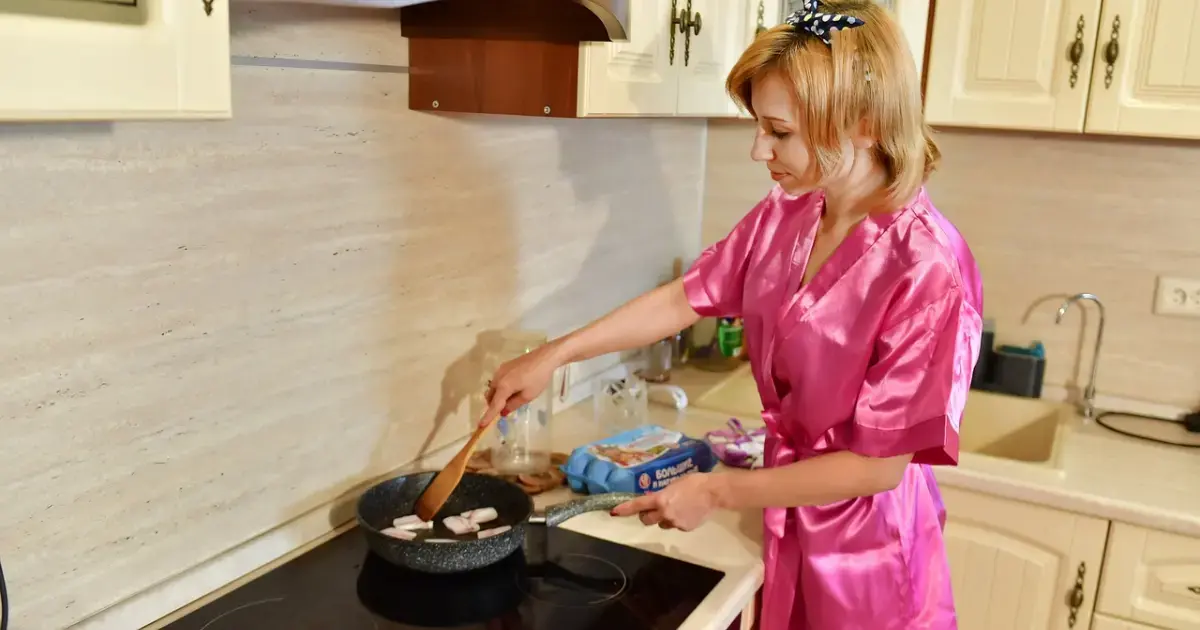
Nonstick coatings make cooking delicate foods like seafood, omelets, potato pancakes, and fritters a breeze. However, there are certain foods you should avoid cooking on them.
Butter and Margarine
Cooking with butter or margarine is a bad idea; they have low smoke points, burn quickly, ruin the flavor of your dishes, and leave charred residues that damage the nonstick coating and shorten the pan’s lifespan.
Meat with a Thick Layer of Fat
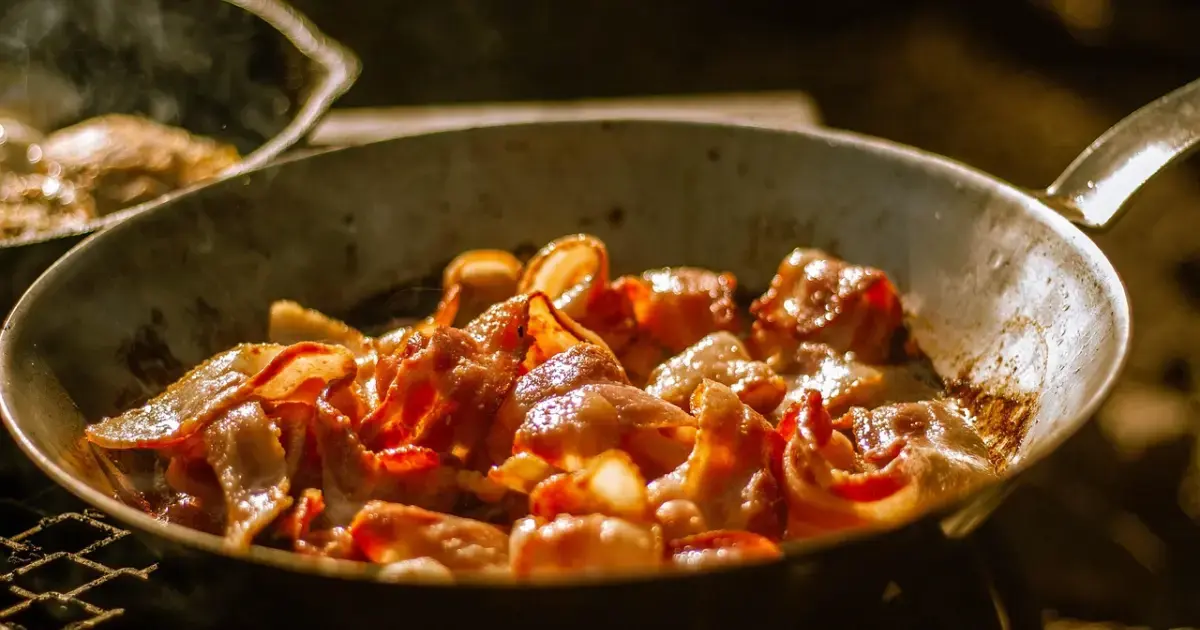
Bacon or fatty cuts of pork should not be cooked in nonstick pans, because the hot rendered fat can reach temperatures that exceed what Teflon can tolerate, compromising the coating’s nonstick properties and damaging the pan.
Sugar and Caramel
Sugar and caramel reach temperatures that are too high for Teflon when heated and can melt or burn, which can ruin the coating. Additionally, caramel is difficult to clean off and can leave stubborn stains and scratches on the surface.
Tomato Sauces
Nonstick coatings are not resistant to prolonged exposure to acids, so acidic sauces will gradually eat away at them. Prolonged contact with acid can damage the coating and may raise safety concerns.
Marinades with Vinegar or Lemon
Avoid cooking foods marinated in vinegar or lemon juice on polymer-coated pans: acidic marinades similarly erode the nonstick coating and reduce its effectiveness. Heating acids on a nonstick surface can release harmful substances, which raises concerns about Teflon’s safety.
None of the foods above should be cooked in nonstick pans, but some basic cookware materials, even without a coating, have natural nonstick properties — notably cast iron and carbon steel. Those pans don’t require a “buffer” between the metal and the food, resist damage, and can be passed down from grandmother to granddaughter.
Photo: pixabay.com
