
 Gaby
Gaby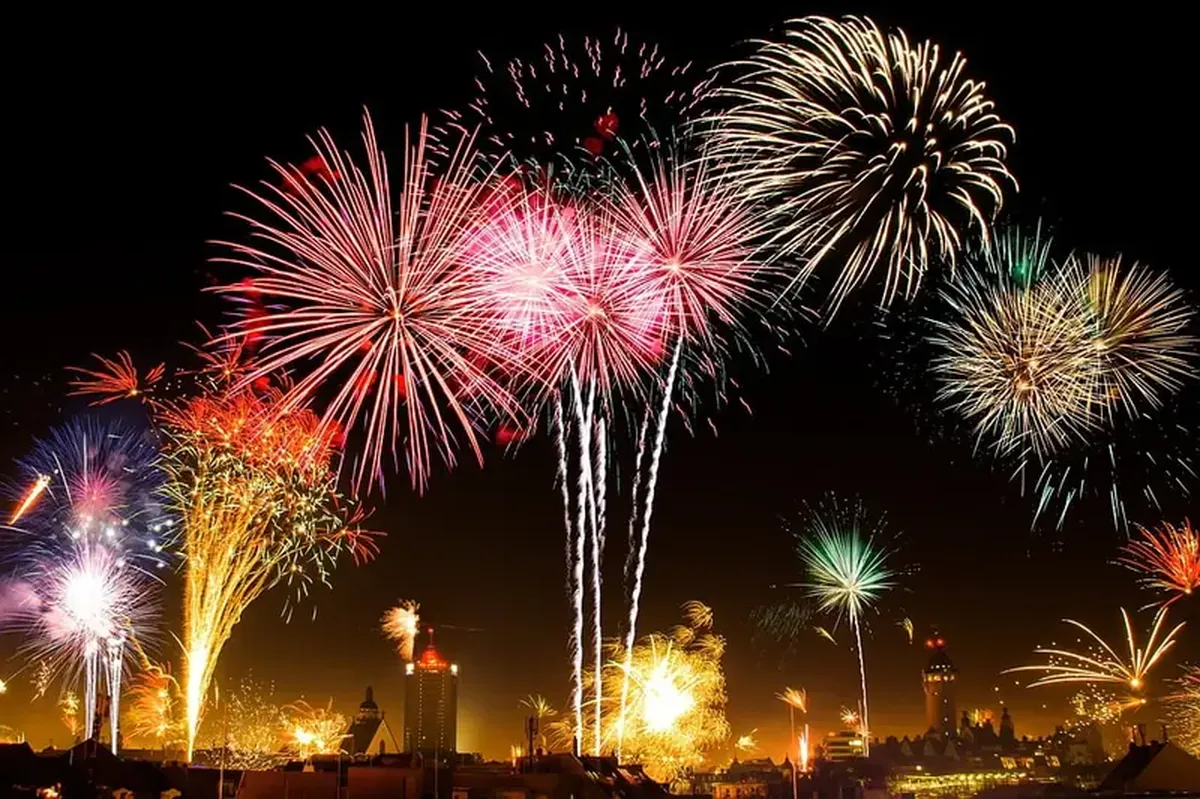
Why do people around the world shoot off fireworks, toss out old belongings, pour water into the street, and wait by the fireplace for gifts?
Cuba: Purging Sins
On the “Island of Freedom,” residents traditionally fill clean dishes with water and pour them onto the street at midnight on Kings’ Day (what Cubans call New Year’s). The ritual is a form of cleansing that washes away sins and negative energy.
China: Scaring Away Enemies
Fireworks and firecrackers originated in Asia. In China, the goal isn’t entertainment but to frighten off evil spirits with loud bangs and bright lights. Folklore says homes in China attract dark forces during the New Year, and those forces can cause trouble at night. Fireworks, firecrackers, and poppers are meant to keep uninvited guests from crashing the celebration. On New Year’s, those explosives go off nonstop.
Italy: Attracting Wealth
Italians clear out old junk on New Year’s to make room for new things. In Italy, people often toss worn-out items straight out the window on New Year’s Eve, hoping to make space for future gifts and good fortune.

Europe: Finding Gifts
Across Europe, different figures leave gifts in different places. In Sweden, the grandfather Tomte leaves presents by the fireplace; in Germany, the Weihnachtsmann puts gifts on the windowsill; and in the UK and France, families hang stockings and boots by the hearth for Santa Claus. Many believe the bearded, red-coated visitor comes down the chimney, so children wait by the fireplace.
England: Sending Greetings
The first New Year’s card was printed in London in 1843, and that’s where the tradition of sending holiday greetings began. The English custom of exchanging such messages was embraced by Americans, who have since surpassed the British in their love of cards: today the U.S. sends the most New Year’s messages.
America: Lighting Up Without Fire
Americans also changed how people light holiday trees by inventing electric lights. In the past, people used real candles, and trees sometimes caught fire. Telegraph operator and inventor Ralph Morris created the first string of electric lights; the first electric garland was hung on a tree near the White House in 1895.
