
 Gaby
Gaby
It’s no secret fried food isn’t great for you. Doctors have long warned that frying creates carcinogens that raise cancer risk. But researchers have only recently uncovered a new mechanism that might explain how that happens.
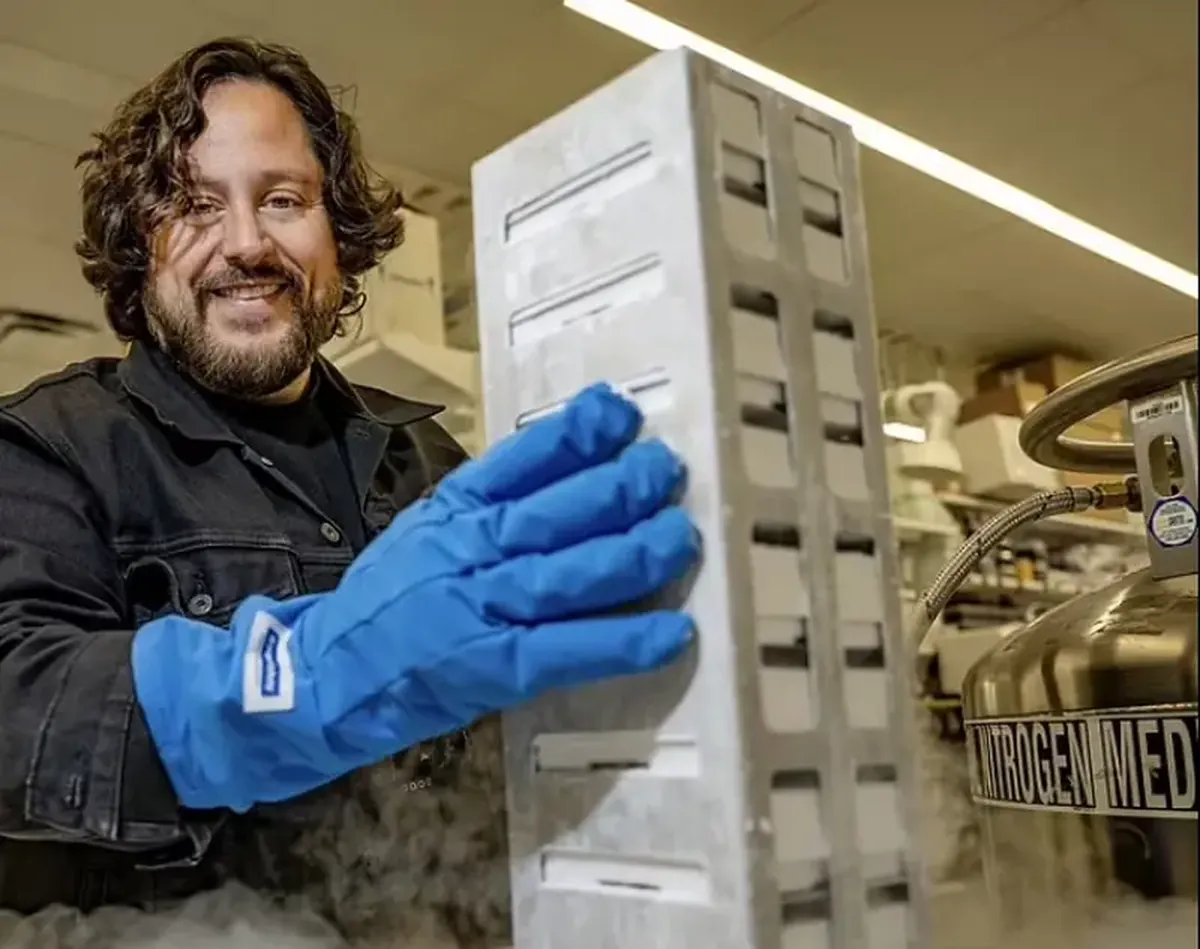
A team led by Eric Kuhl found that high-heat cooking damages food DNA. When people eat those dishes, the damaged DNA fragments can integrate into human DNA and cause harmful mutations. That could significantly raise the risk of cancer and other serious illnesses.
How Does Fried Food Become Dangerous to Health?
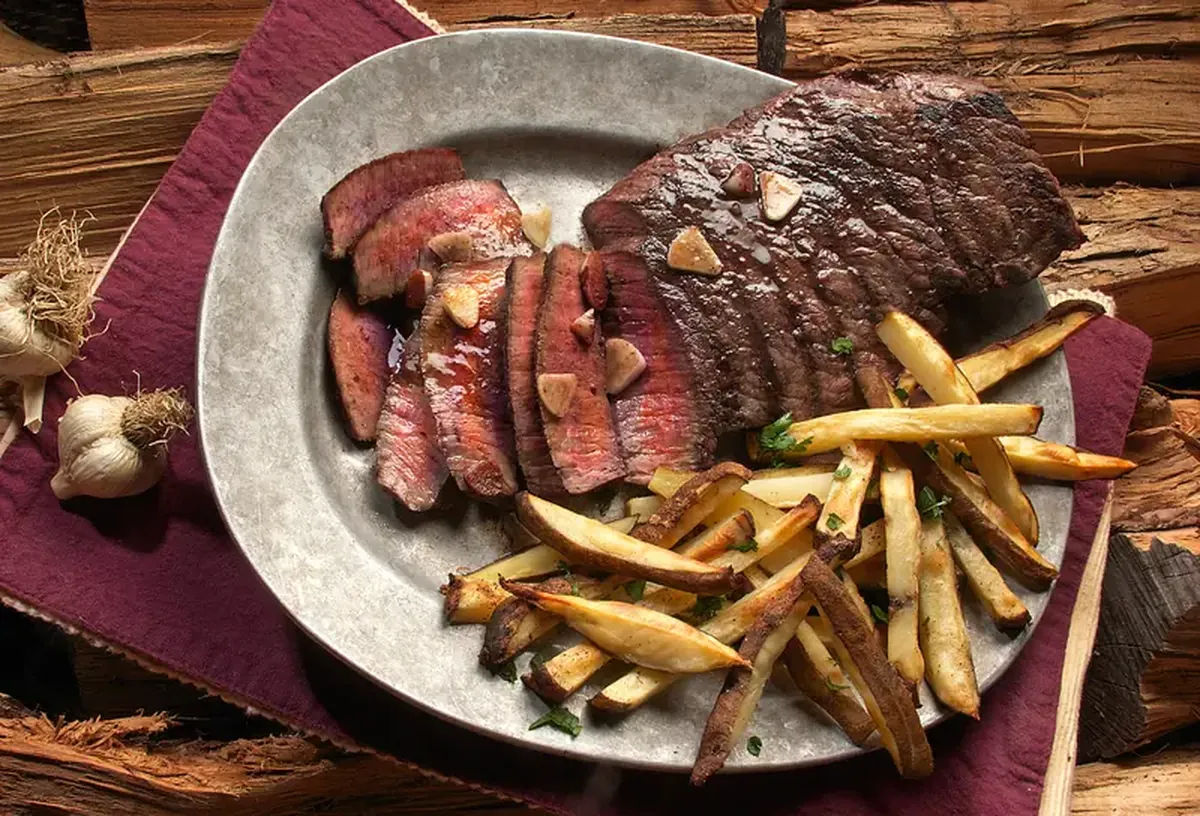
Red meat is nutrient-dense and provides a range of vitamins and minerals. Still, eating red meat is linked to a higher risk of heart disease, some cancers, and other chronic illnesses. The World Health Organization classifies red meat as “probably carcinogenic” because chemicals that form during high-heat cooking may increase cancer risk.
Most foods contain DNA. Meat, fish, and poultry come from living animals, and their muscle cells contain DNA. The researchers say that DNA in these foods can be seriously damaged by frying. Those damaged fragments are potentially dangerous because they can cause mutations in the DNA of people who eat the food.
Previous studies blamed reactive molecules created at high temperatures for fried food’s health effects. But the new findings suggest the problem could be more serious.
The researchers found that DNA-derived organic compounds from food can enter human cells more easily during digestion. That makes fried meat, Kuhl says, a potentially significant source of genetic risk.
Experiment with Different Cooking Temperatures
The team tested the idea on lab-grown human cells and mice. For the experiments they prepared ground beef, ground pork, and potatoes two ways: boiled at 100°C for 15 minutes and fried at 220°C for 20 minutes.
They then examined the foods’ DNA and found that high-temperature cooking produced more severe genetic damage. Potatoes showed less damage than meat, for reasons that remain unclear. The researchers also identified two common types of DNA lesions that are toxic and could lead to cancer.
They also exposed mouse and human cells to the damaged food DNA. The results supported the team’s conclusions: lab-grown human cells and the small intestines of the mice showed significant DNA damage.
Conclusions Are Not Final; More Research Ahead
The team stresses that more experiments are needed before the link is confirmed in people. They plan to test a wider range of foods and cooking methods.
Researchers say it’s still unclear what the long-term effects are from eating small, real-world portions. This study only looked at short-term effects.
Kuhl told Newatlas the study raises many unanswered questions. For example, the team still doesn’t know whether regular consumption of grilled foods carries significant chronic risks. Kuhl says it’s too early to know where these initial findings will lead, but the evidence should inform future research.
