
 Gaby
Gaby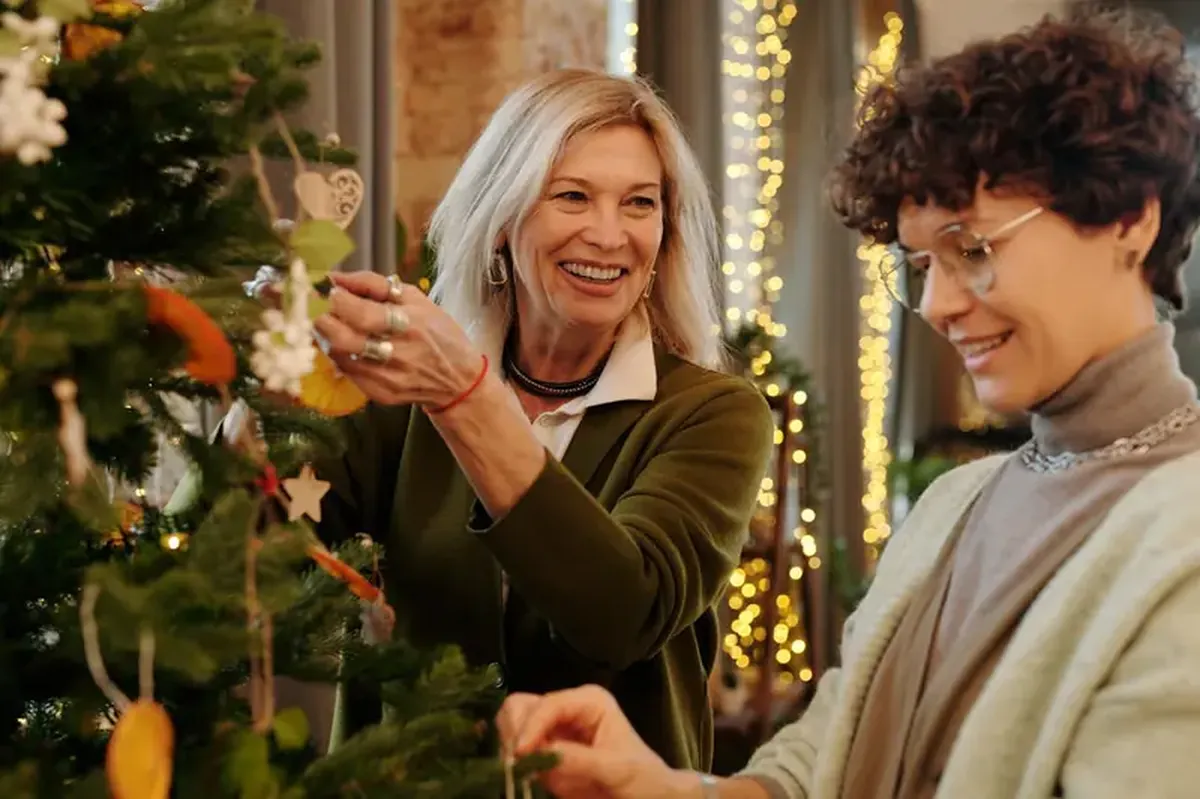
It’s no surprise that people start preparing for the winter holidays well in advance. Supermarkets start pumping Christmas and New Year cheer as early as September and October.
It’s clear why stores do this: these weeks of the year are the most profitable for retail. But what drives people to start planning holiday decorations, ornaments, costumes, color-coordinated outfits, and gifts so early?

Here are some theories
The main reason is that all that pre-holiday hustle boosts our mood. The anticipation of fun is itself a form of enjoyment.
Researchers suggest there’s a certain type of person who is especially drawn to the early Christmas spirit. If you belong to this group, here’s what it could mean.
Renowned American psychologist Carmen Harra says decorating your home for the winter holidays can reveal “hidden emotions and subconscious behavioral tendencies,” including narcissism.
“Narcissists derive immense satisfaction from being the center of attention, receiving praise and applause. It makes perfect sense that these personality traits can easily be expressed by transforming one’s home into a winter wonderland that all the neighbors will admire,” Harra said.

But she thinks that isn’t the only reason. By immersing themselves in preparations for Christmas and New Year’s, people can fill a certain void. Harra says buying shiny ornaments or gifts, decorating the home, and choosing festive attire can make people feel happier, allow them to show off, and help create the image of an ideal family.
Behind the twinkling lights and tinsel, people can hide arguments, disagreements, and the truth about what has happened at home over the year, she added.
Emily Morin, a psychotherapist in Florida, is less critical of those who love to prepare for the winter festivities early. She says this behavior is often driven by nostalgia. Sentimental people rush to recreate pleasant moments from the past, like those magical childhood times.
“People want to start decorating their homes early because the sooner they bring out the decorations, the quicker they can feel a piece of that magic again,” Morin said. In other words, it’s a way to stretch out the happiest memories, as reported by the Daily Mail.

But that’s not all
Meanwhile, Erlanger A. Turner, a clinical psychologist at Pepperdine University, argues that early home decorating ties into the theory of “anticipation of joy.” “By decorating their homes in advance, people are anticipating the excitement and happiness associated with the upcoming holidays,” Turner said. He believes that during periods marked by climate crisis, aggression, depression, and uncertainty, more people will lean toward early preparations for Christmas. After all, it’s “the only thing they can control.”
Researchers also find that Christmas decorations on doors and inside homes can make residents more sociable. So people who have already created a festive atmosphere at home are likely seeking warmer relationships.
