
 Gaby
Gaby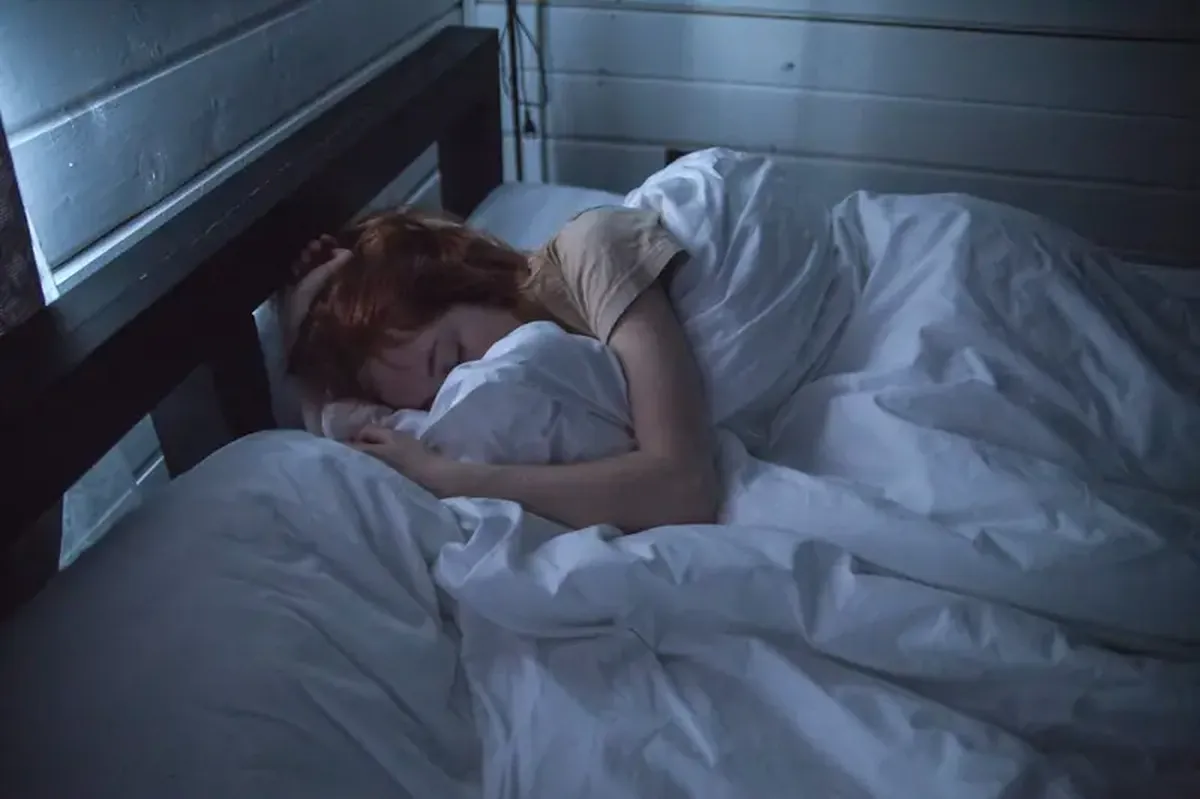
Whether you wake up with pillow lines depends largely on your sleeping position. When you’re young, those lines are temporary and smooth out quickly. But as we age, our skin loses elasticity, and repeated creases can gradually leave a lasting pattern on the face.
Can you slow this down? Researchers from the University of Queensland in Australia believe it’s possible. Here’s what they found.
Sleeping on Your Side
Human skin deforms for a number of reasons: natural aging, sun exposure, smoking, dehydration, repeated facial expressions such as pouting, frowning, or squinting, and the position you sleep in.
When you sleep on your side or stomach, the skin on your face is compressed much more than when you sleep on your back. Gravity presses your face against the pillow, causing the skin to crease.
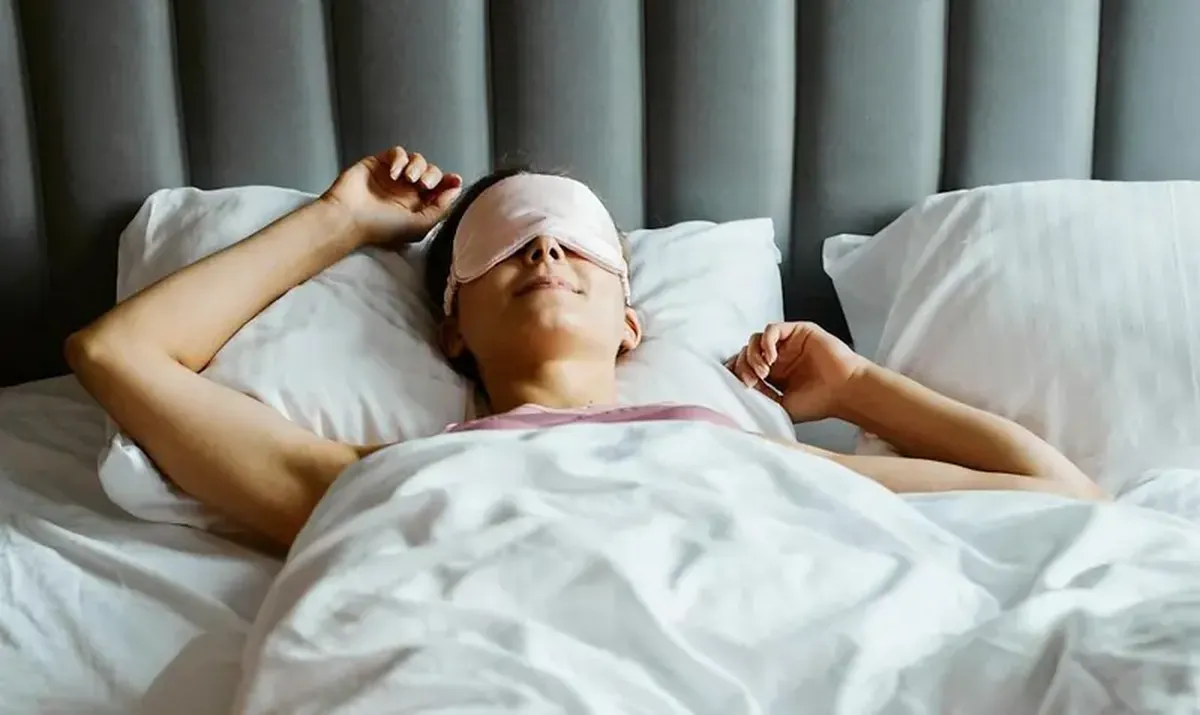
You can reduce the impact of those external forces that make your face look older by morning. First, try sleeping on your back or change positions throughout the night.
The amount of time spent in each sleeping position, the pressure on different areas of the face, and how much skin touches the pillow all influence how quickly sleep lines form.
Skin health experts say people who sleep consistently on one side often have a flatter appearance and more pronounced sleep lines on that side of the face.
Can Skincare Help Prevent Wrinkles While Sleeping?
Collagen and elastin are the two main structural proteins in the dermis, the skin’s inner layer. They give skin its strength and elasticity.
So incorporating collagen into your daily skincare routine can help reduce wrinkle formation, according to Science Alert.
Don’t overlook hyaluronic acid: this natural molecule occurs in the body and helps maintain collagen and elastin within the skin’s structure. It also boosts collagen production and delivers hydration, which slows the development of wrinkles. Hyaluronic acid is a common active ingredient in creams, gels, and lotions.

Should You Invest in Silk Pillowcases?
Silk pillowcases can help prevent wrinkles by letting skin glide more easily across the surface. With less friction and pressure concentrated on one spot, you’re less likely to wake up with creases.
Studies have also found that specially designed pillows that reduce mechanical stress during sleep can help prevent skin deformation.
To keep your skin looking fresh and smooth for as long as possible, maintain healthy habits: quit smoking, stay well hydrated, eat a balanced diet with plenty of vegetables, fruits, nuts, seeds, healthy fats, and fermented foods, and use sunscreen regularly.
