
 Carlos Solis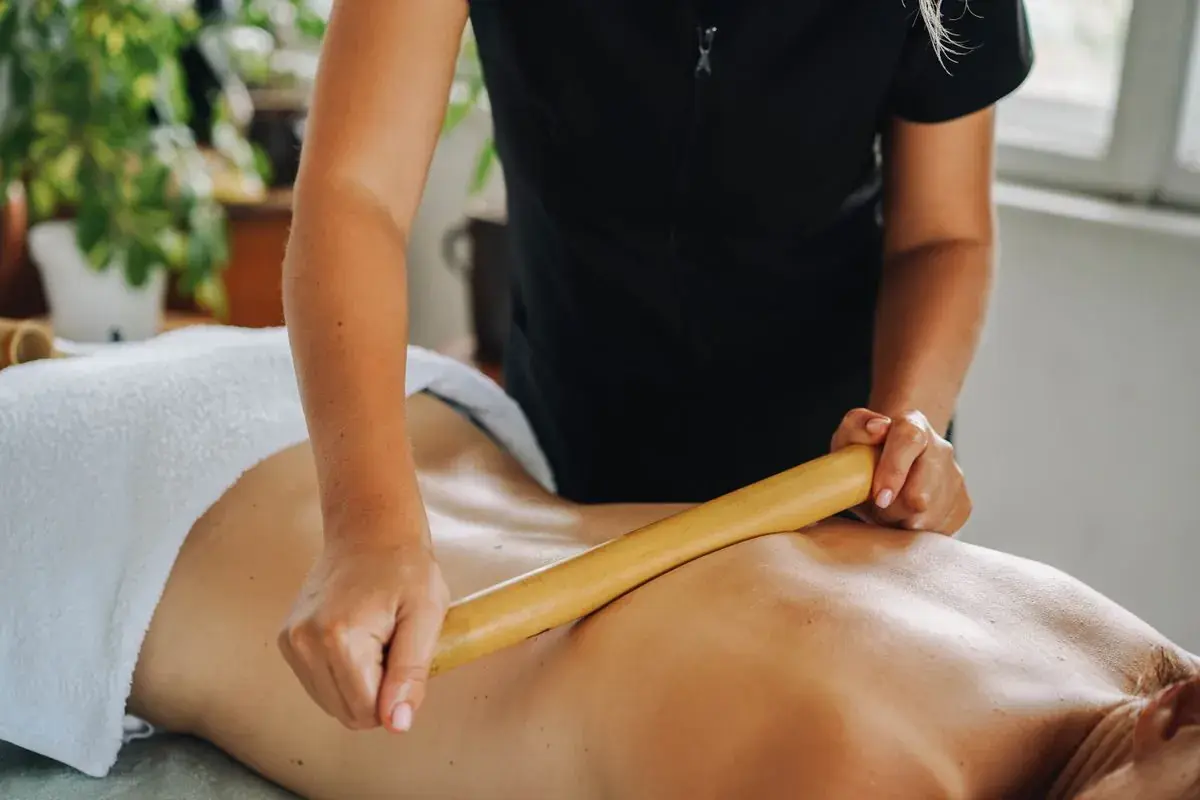
The lymphatic system is a network of vessels, nodes, and organs that acts as the body’s drainage and defense system. Lymph collects excess fluid, waste products, and microbes from tissues, passes through small lymph nodes where immune cells filter it, and then returns to the bloodstream. The system also helps absorb fats from food.
Unlike blood, lymph doesn’t have a “heart” to pump it. Fluid moves mainly because muscles contract during everyday motion: walking, breathing, and exercise. If lymph moves slowly or pools, people can feel heaviness and localized swelling, especially in the legs because gravity pulls fluid downward.

Massage: Two Approaches
Specialized massages can stimulate lymph flow. Practitioners usually distinguish manual lymphatic drainage from a Brazilian-style approach that works more dynamically with oils and faster strokes. These treatments aim to reduce swelling in common trouble spots: the face, abdomen, thighs, and upper arms.
Skeptics point out the lymphatic system usually handles cleanup on its own.
Easy Ways to Help Lymph Flow at Home
You can try several simple techniques at home to improve lymph flow without expensive equipment.
- Move and exercise. Muscle contractions push lymph in the right direction. Daily activity significantly improves lymph flow.
- Walk briskly for 20–30 minutes to jump-start lymph movement. Do 20–30 heel raises, rising onto your toes and lowering your heels to ease leg heaviness.
- Simple massage moves during skin care. You don’t need complicated techniques for at-home massages. When you apply lotion, stroke upward on your legs or body to help move fluid toward the lymph pathways.
- Dry brushing. Dry brush with a soft brush toward the center of the body to stimulate superficial lymph vessels and improve circulation. Use gentle strokes that move from the periphery toward the center of the body.

- Legs-up-the-wall position. Try the legs-up-the-wall position: lie on your back with your legs extended up the wall at about a 90° angle for 5–10 minutes. After long periods of standing or sitting, this position helps drain fluid from the legs.
- Stay hydrated. Many people drink too little water; good hydration helps flush the system and ease lymph flow.
When to See a Doctor
See a doctor if swelling is severe, one-sided, painful, red, or persistent. A trained lymphatic drainage specialist can advise whether massages or other methods are appropriate for your situation.
For many people, simple daily habits — movement, upward skin-care strokes, rest positions, and adequate water intake — reduce puffiness and restore a feeling of lightness.
This article is adapted from reporting by the Daily Mail
