
 Gaby
Gaby
The Museum of Decorative Arts in Paris (Musée des arts décoratifs) has explored the history of hairstyles and hair care, showing how this natural feature of our appearance evolved with historical events and helped shape culture.
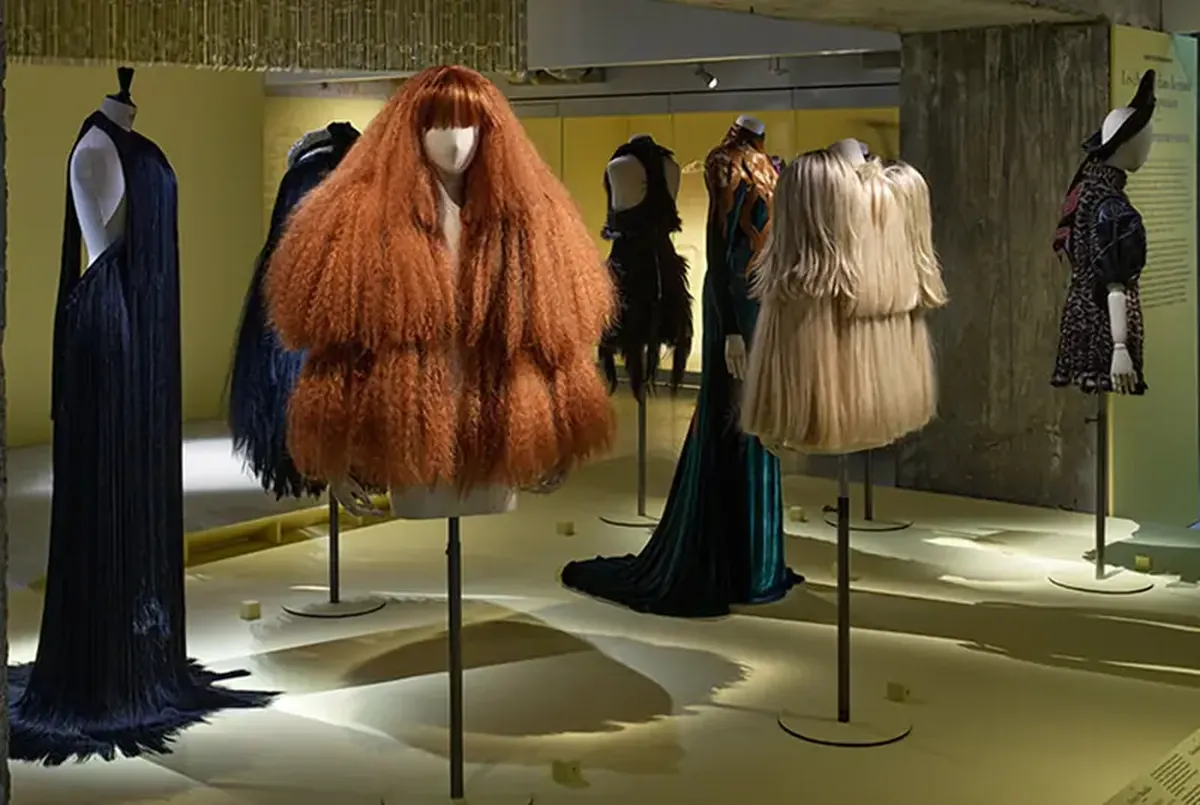
The curators of the exhibition “Des cheveux et des poils” (literally “Hair and Body Hair”) show that head and body hair have often been treated as works of art throughout the ages.

The exhibition showcased more than 600 artifacts, the oldest dating to the 15th century, including paintings, sculptures, photographs, antique hairdressing tools, archival documents, and advertising materials. Each piece highlights how closely hair is woven into the cultural, religious, political, and everyday histories of different peoples. The organizers also highlighted notable figures—monarchs, artists, designers, and famous hairdressers—for whom hair mattered professionally and personally. Those figures include Léonard Autié, the favored hairdresser of Marie Antoinette; Alexandre de Paris, a founder of haute coiffure; and fashion designers Alexander McQueen, Martin Margiela, and Joseph Timister.
One section of the exhibition focused on the evolution of women’s hairstyles as social signals and markers of identity. Hair creations have often been extravagant, especially since tastes shifted rapidly across eras. Take the so-called “poufs”—towering 18th-century styles that remain among the most unusual in hairdressing history. Today you still see them, but mainly on fashion runways where they serve as dramatic focal points for designers’ collections.
In another gallery, the curators assembled a wide range of objects that document changing trends in men’s facial and body hair. Facial hair was a point of pride for fashionable men in the 19th century, an era often remembered as particularly hairy. Men stocked up on mustache wax, brushes, straighteners, curlers, and other grooming tools to shape beards, mustaches, and sideburns.
The Paris exhibition also looked at the conventions, taboos, and private stories about hair that surrounded famous historical figures. For centuries, noblewomen were not supposed to appear in public with loose hair. The museum displays an 1864 painting by Franz Xaver Winterhalter that shows Empress Sisi with her hair down. The painting was intended solely for the private study of her husband, Franz Joseph, according to Designboom.

Another notable detail: Louis XIV went bald at a young age and started wearing long wigs with curled locks. The king made that style the norm at his court.
In the 20th century, artist Andy Warhol also turned baldness into an image. The white wig he wore to conceal his thinning hair became a signature element of his public persona.
Other rooms of the exhibition immerse visitors in the craft of hairdressing, displaying the profession’s tools and honoring those who turn ordinary hair into artistic creations. The show also recalls iconic 20th- and 21st-century styles—the garçon, the perm, the chignon, the pixie cut, and many others—that reacted quickly to the trends of their time.
The exhibition will run until September 17, 2023.
