
 Carlos Solis
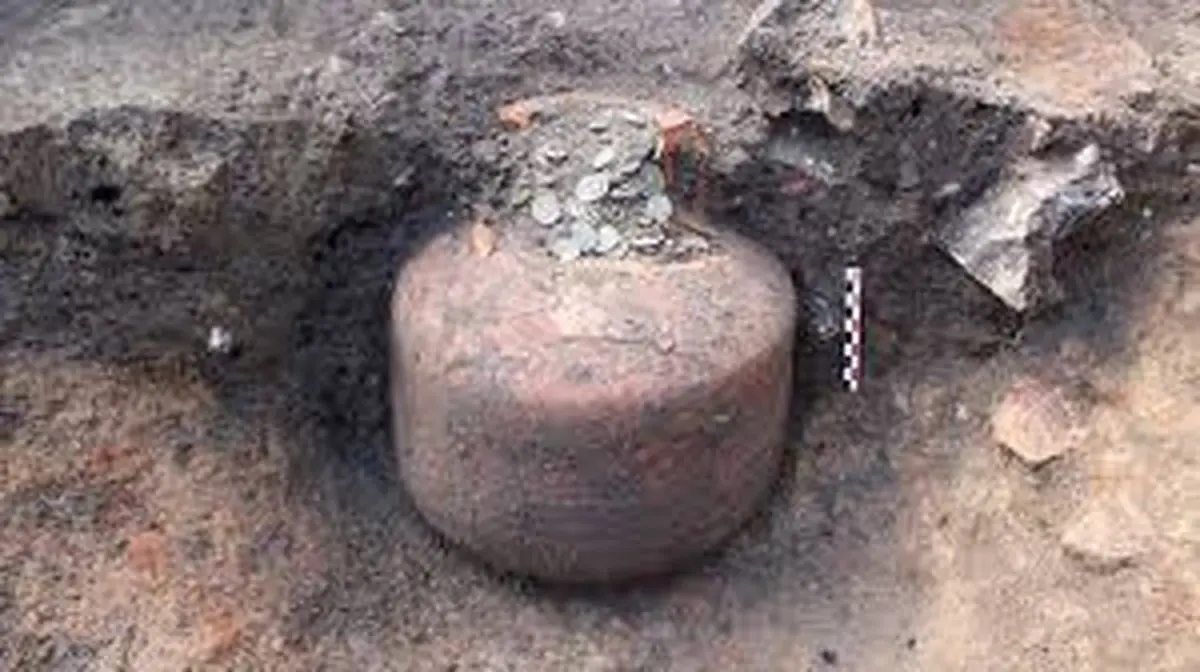 A team from the National Institute for Preventive Archaeological Research (INRAP) in France has unearthed three ancient vessels in the village of Senon, filled to the brim with tens of thousands of coins from the Roman Empire. About 1,700 years ago, these jars were buried in pits hidden beneath the floor of one of the houses in the ancient settlement, serving as a sort of safe or piggy bank.
In total, researchers discovered more than 40,000 Roman coins. Live Science reported that the first piggy bank contained around 38 kilograms of metal currency, which translates to approximately 23,000 to 24,000 coins. Vincent Geneviève, the lead numismatist at INRAP who specializes in treasure analysis, provided that estimate.
The second amphora weighed about 50 kilograms, and judging by the 400 coins extracted from the neck of the jar, which broke upon discovery, it could have contained between 18,000 and 19,000 coins, Geneviève said. The third amphora was likely found long ago: only three coins remained in the pit where the vessel once stood.
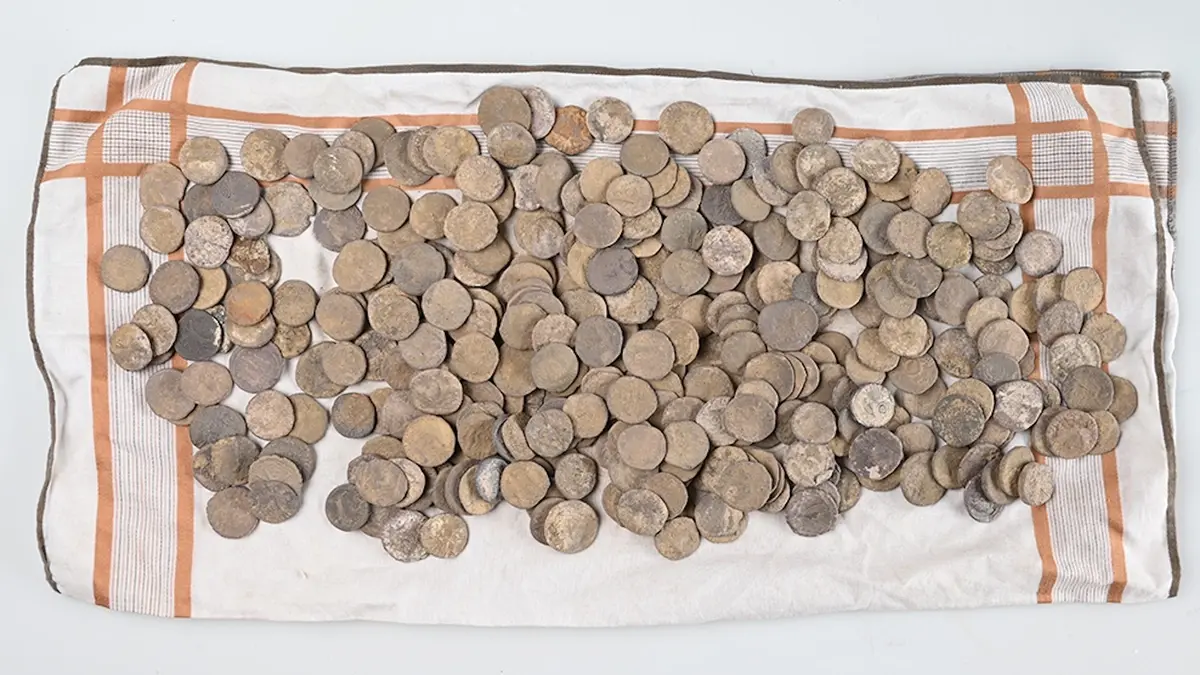
In this area, archaeologists have found around 30 coin hoards over the years. So the real significance of this discovery is not just the number of coins but the precise information it provides about where the hoards were hidden.
What else is known about these ancient Roman treasures?
Analysis revealed that the amphorae were buried between 280 and 310 AD. The coins bear images of emperors Victorinus, Tetricus I, and his son Tetricus II, who ruled the Gallic Empire from 260 to 274 AD.
The amphorae filled with coins were carefully buried in pits beneath the living-room floor of one of the houses. The openings of the jars were level with the ground, making them easily accessible—akin to an ancient safe.
INRAP archaeologists suggested that the owners of these vessels were not poor. They used the amphorae as piggy banks for long-term savings. This residential area included stone buildings with heated floors, cellars, and workshops with furnaces. Nearby stood a Roman outpost.
In the early fourth century, a massive fire destroyed the settlement. After it was rebuilt, a second fire swept through and left nothing behind—except for the coin hoards that were uncovered nearly two millennia later.
