
 Gaby
GabyThese small birds may look incredibly cute, with their black heads and wings contrasting against their bright orange bodies. However, few realize that beneath this charming exterior lies a true killer. Don’t mess with the crested pitohui! A team led by researcher and bird expert Jack Dumbacher was searching the forests of New Guinea for the elusive bird of paradise, the Raggiana, when they unexpectedly stumbled upon a flock of crested pitohuis. Many of these birds had become entangled in the ornithologists’ nets, prompting the team to free the trapped creatures quickly. During the rescue, the crested pitohuis bit the scientists. Lacking band-aids, the researchers treated their wounds with their own saliva, which led to some rather strange reactions.
The scientists noticed that after touching the crested pitohui and being bitten, their mouths began to burn, tingle, and even go numb. For some expedition members, the numbness lasted until morning. When the researchers shared this incident with local guides, the guides were not surprised. The guides said these birds are considered “garbage” and aren’t even eaten. Still, the locals advised keeping a safe distance, although they were skeptical that the pitohui could kill people. Intrigued by what they heard, the ornithologists began investigating these birds.
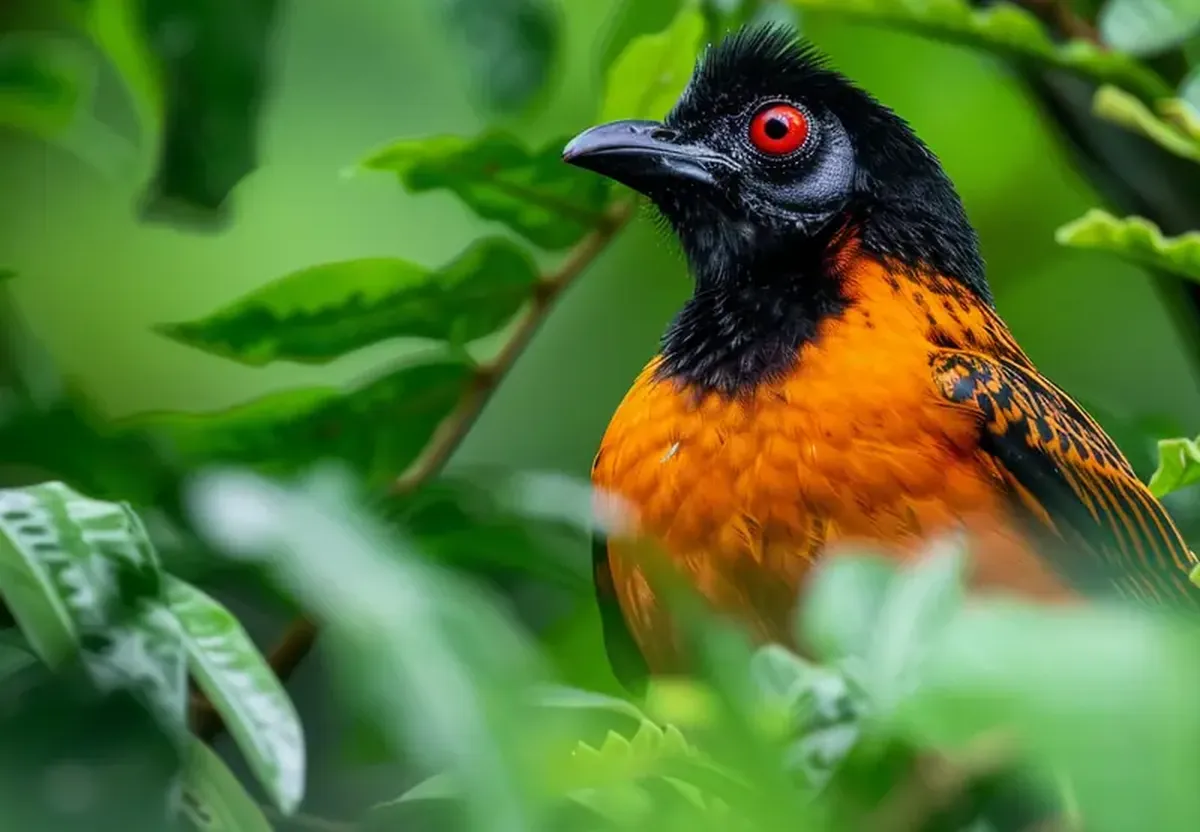
Ultimately, their research revealed that the birds’ feathers contain a type of toxin. The toxin got onto the scientists’ hands and into their mouths, producing the symptoms they experienced. It turned out to be a steroidal alkaloid neurotoxin that poses a serious danger, as reported by IFJScience. “Initially, it causes tingling and numbness. In high doses, it can lead to paralysis, cardiac arrest, and death. It is one of the most toxic natural substances known,” Jack Dumbacher said.
So, where does the crested pitohui get its poison? The team discovered that the bird’s toxicity is directly linked to its diet. Crested pitohuis eat the toxic beetle Choresine pulchra, which is endemic to New Guinea. Also known as the nanisani beetle, it provides batrachotoxins to local animals. As a result, neurotoxins accumulate in the birds’ tissues, posing a lethal threat, especially to predatory reptiles that eat bird eggs.
