
 Gaby
Gaby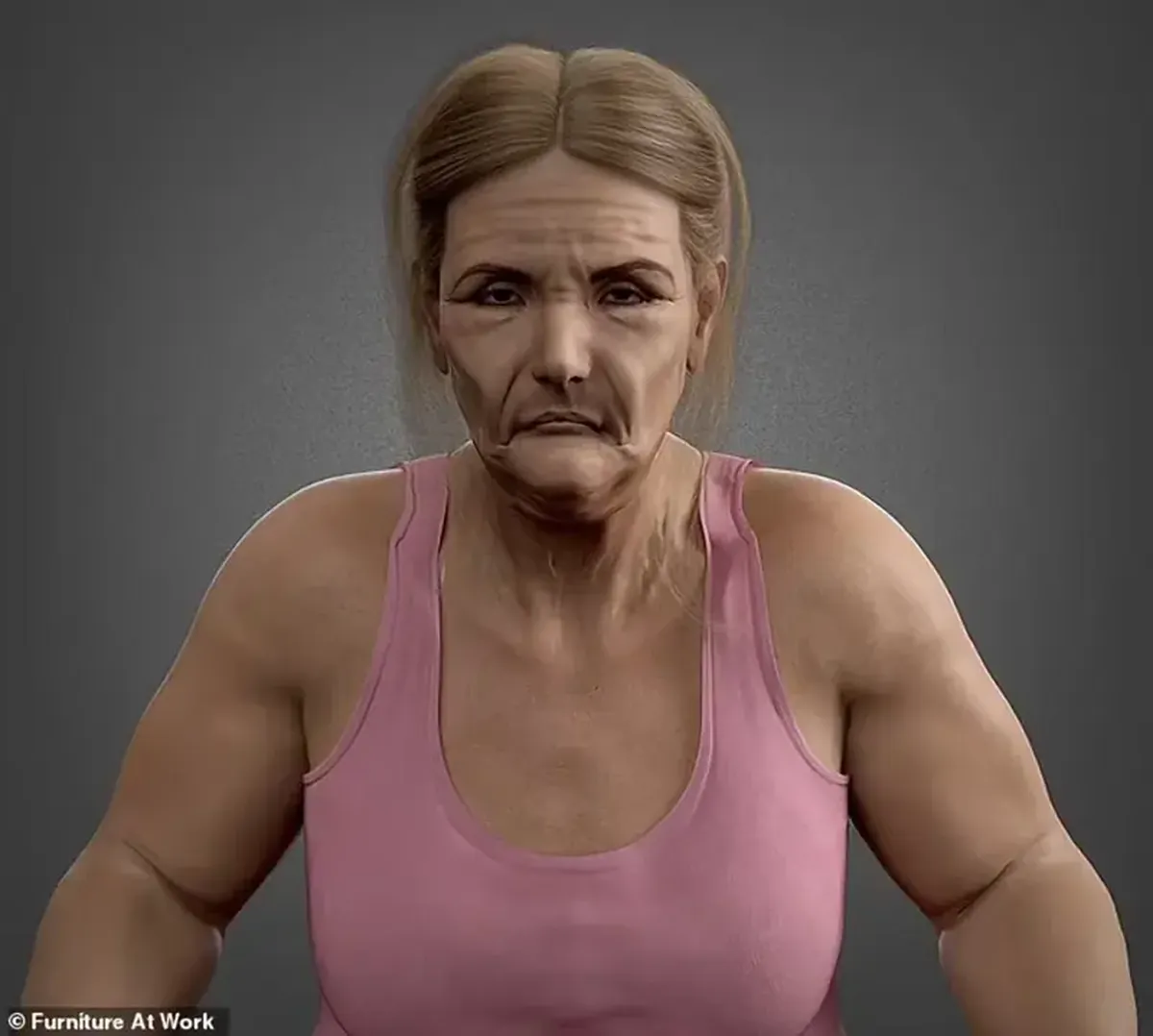
During the Covid-19 pandemic, remote work became the norm for millions. However, a model of a future freelancer created by researchers looks so alarming it might send many workers back to the office.
How Will Remote Work Impact Freelancers’ Health in the Future?
With swollen eyes, a hunched back, and claw-like fingers, this is how experts envision remote workers in the year 2100. The model, named Anna, paints a rather grim picture of future freelancers.
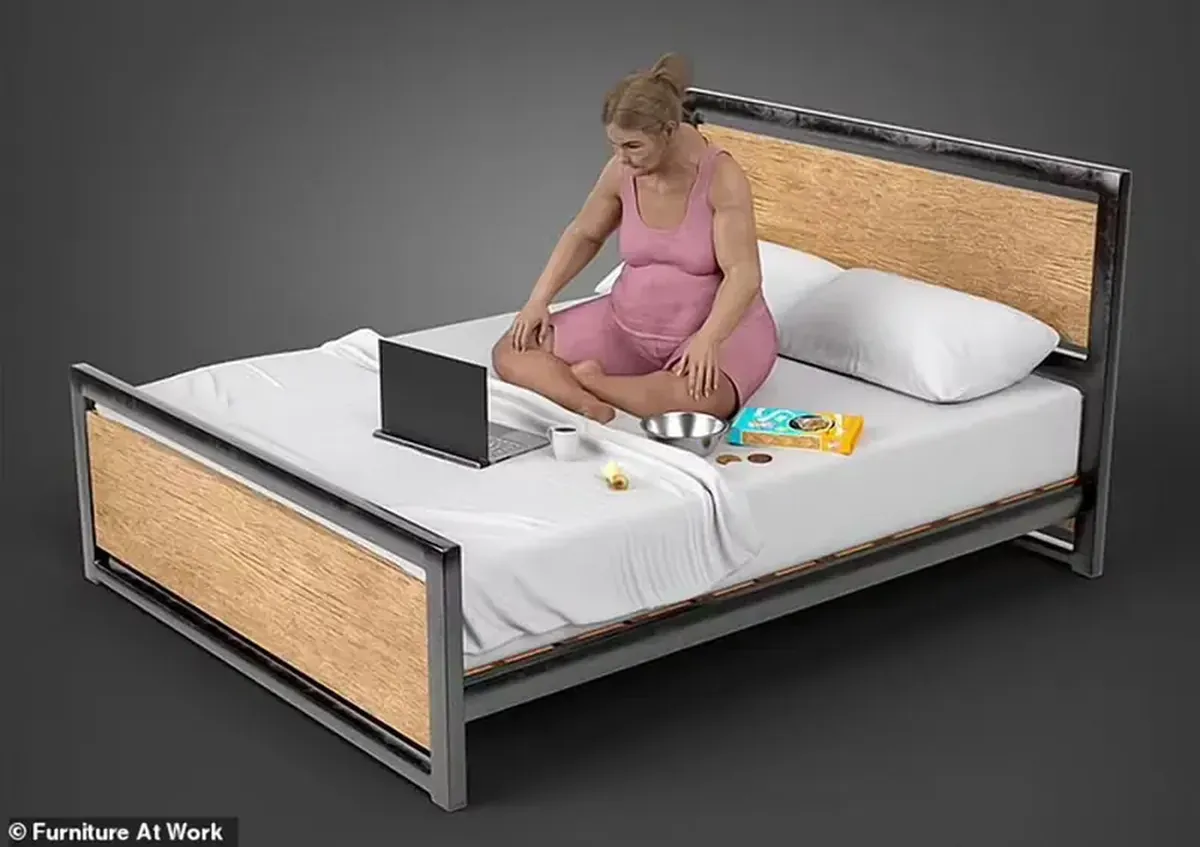
It shows the physical ailments that can result from constant device use and poor posture. The model also highlights potential mental health issues, specialists from Furniture at Work told the Daily Mail.
The team created Anna after a study from the University of Leeds found that one-third of office workers in the UK lack a dedicated workspace at home. To develop the model, they used scientific research and statements from health professionals to visualize the consequences of inadequate workspaces.
Working from bed has taken a toll on Anna, resulting in a hunched back and raised shoulders. The future freelancer also has red, swollen eyes from staring at a monitor all day. Long hours with her hand on the mouse have left her fingers permanently clawed. Anna has also experienced weight gain and a weakened immune system linked to a lack of fresh air, anxiety, and depression.
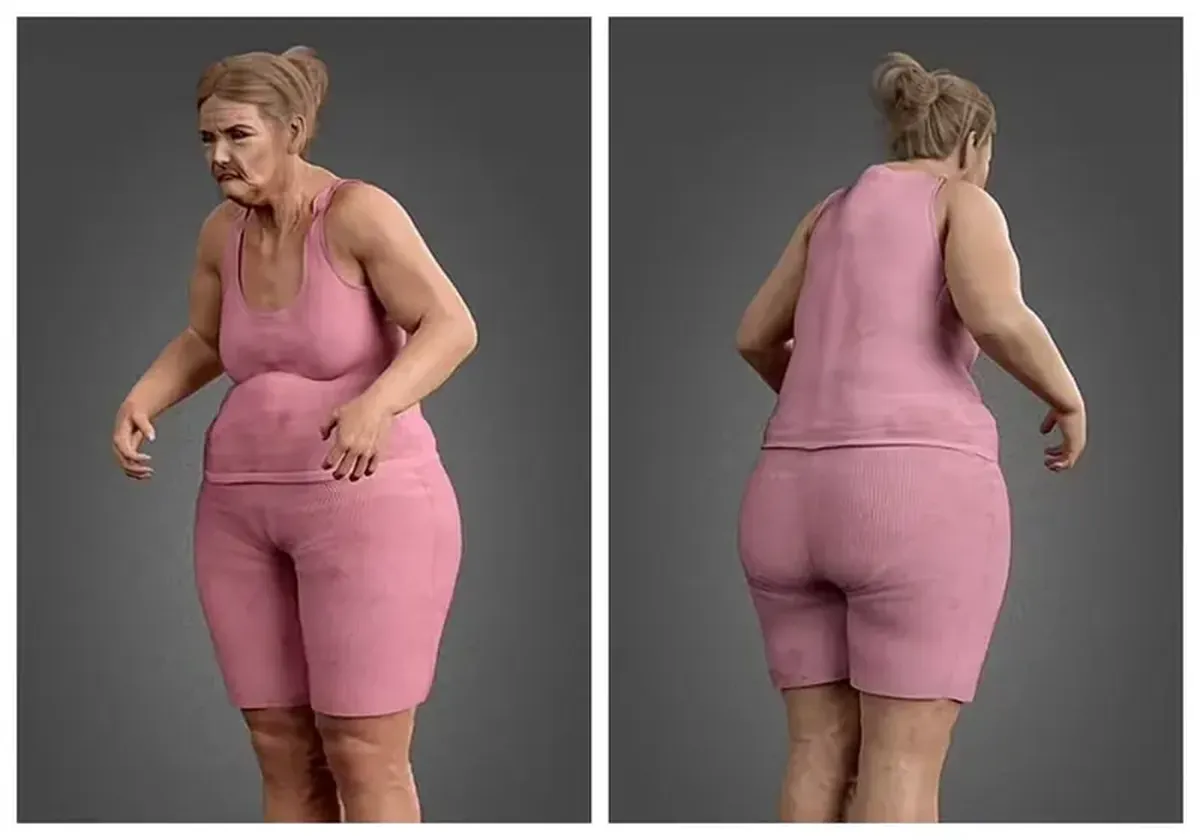
Based on those findings, health experts urge freelancers to take steps to stay healthy while working from home. Brian Clark, founder of United Medical Education, says remote workers should take regular breaks to move and help prevent back and neck pain.
Sara Gibson, director of Proactive Healthcare, recommends following the “20-20-20” rule. Every 20 minutes, look away from the monitor for 20 seconds and focus on something 20 feet away.
Clark also advises creating a dedicated workspace for regular remote work. Have a separate work area with ergonomic furniture to establish clearer boundaries between work and personal time.
What Will Future Gamers Look Like?
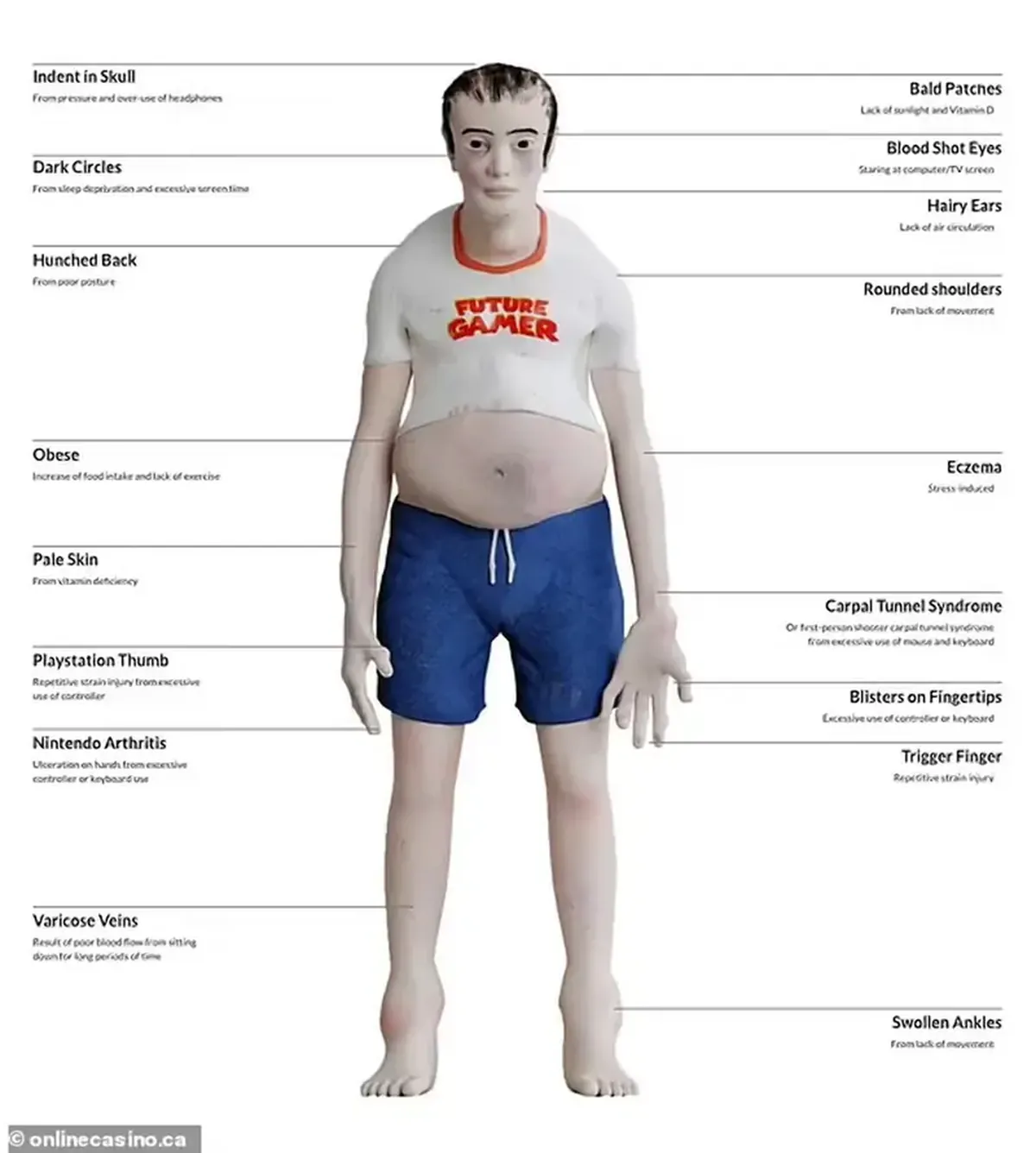
In addition to Anna, experts created Michael — a grotesque model of a pale, hunched gamer of the future. The image shows how prolonged hours spent playing video games could affect avid gamers two decades from now.
Michael has bloodshot eyes, a wrinkled skull, and blisters on his hands. Experts say this is what some gamers could look like in 20 years if they don’t take care of themselves while gaming. The warning image was developed from global reports about the physical consequences of gamers’ lifestyles.
Experts report that self-isolation during the Covid-19 pandemic led to a boom in online gaming. Estimates suggest that gamers are spending nearly 19% more time playing. Despite pushback from scientists and the industry, the WHO now recognizes “gaming addiction” as an official psychological disorder.
To create the Michael model, researchers reviewed reports from various health organizations to assess the potential consequences of gamers’ lifestyles. To avoid becoming like Michael, the experts offer gamers several self-care strategies: regular stretching, balanced nutrition, and staying hydrated.
