
 Gaby
Gaby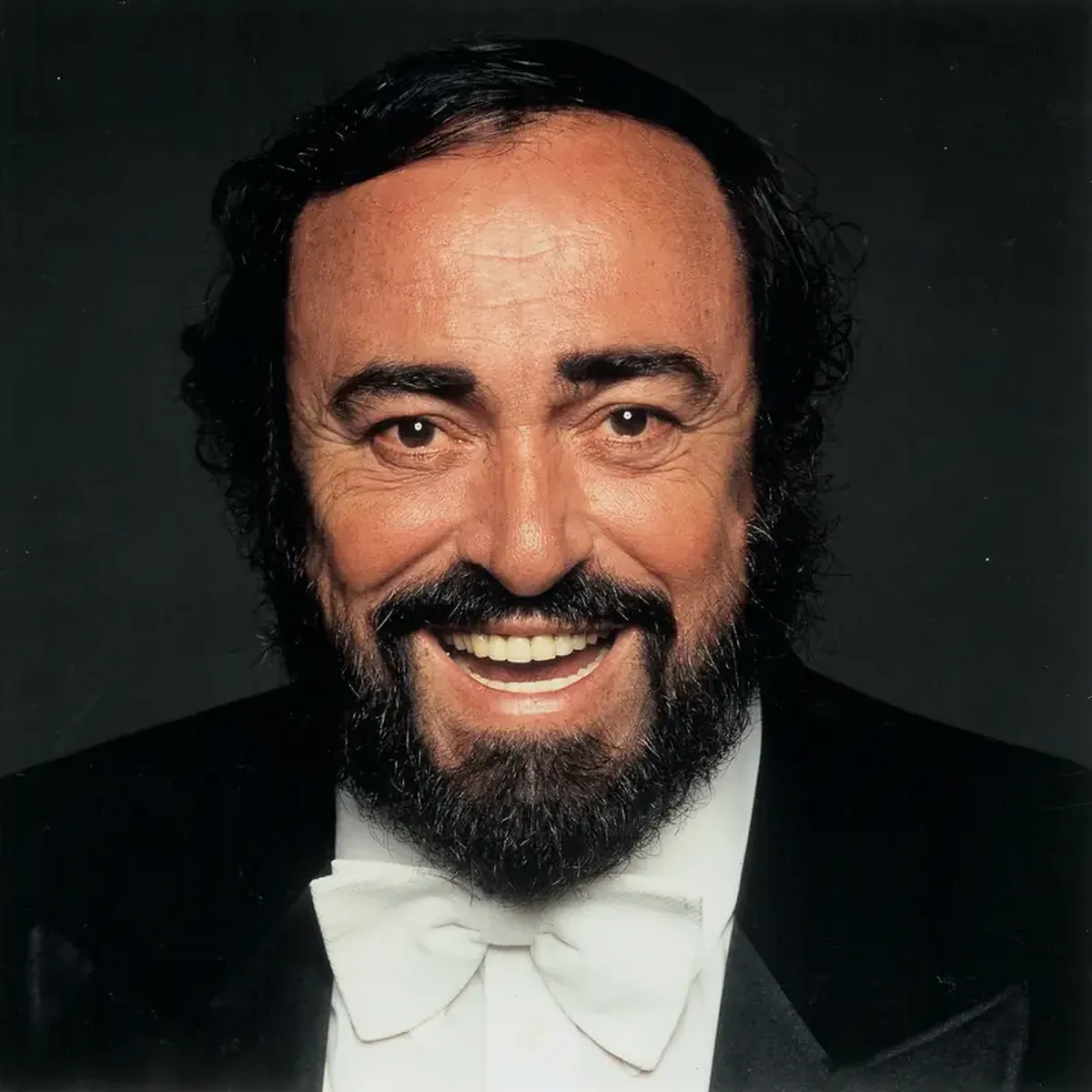
Luciano Pavarotti was famous for blending powerful vocals with warm charisma. His forty-year career was built on a distinctive personality and a zest for life.
Between Notes and Goals
Luciano Pavarotti performed in the most renowned opera houses around the globe, yet he was born and died in the same city—Modena. He was born there on October 12, 1935, and he died there 72 years later.
As a child, the son of a ‘singing baker’ and a factory worker, he and his family moved to a nearby village for a year during the war, where he developed a serious interest in farming. Despite participating in the church choir and taking early vocal lessons, Luciano Pavarotti’s professional aspirations were not initially tied to singing.
After school, he wanted to be a soccer goalkeeper, but at his mother’s insistence he became an elementary school teacher. After two years teaching, he returned to music. His love of soccer stayed with him, and it later helped him cross into pop culture.
The maestro’s repertoire reached a wide audience when he performed the aria ‘Nessun Dorma’ at the final of the World Cup in Italy. After his 1990 performance at the Roman stadium, the recording of Puccini’s aria went into the Guinness Book of Records for the highest sales in the history of classical music.
A Long Road to Self-Discovery
At 19, Pavarotti received high praise for his abilities from local tenor Arrigo Pola, who spent over two years training the talented student for free because Pavarotti couldn’t afford lessons. His unstable income from working as an insurance agent wasn’t enough to support him. His father was willing to help financially but not indefinitely. If Luciano hadn’t started earning from performances by the age of 30, he would have had to pursue another career that could sustain him.
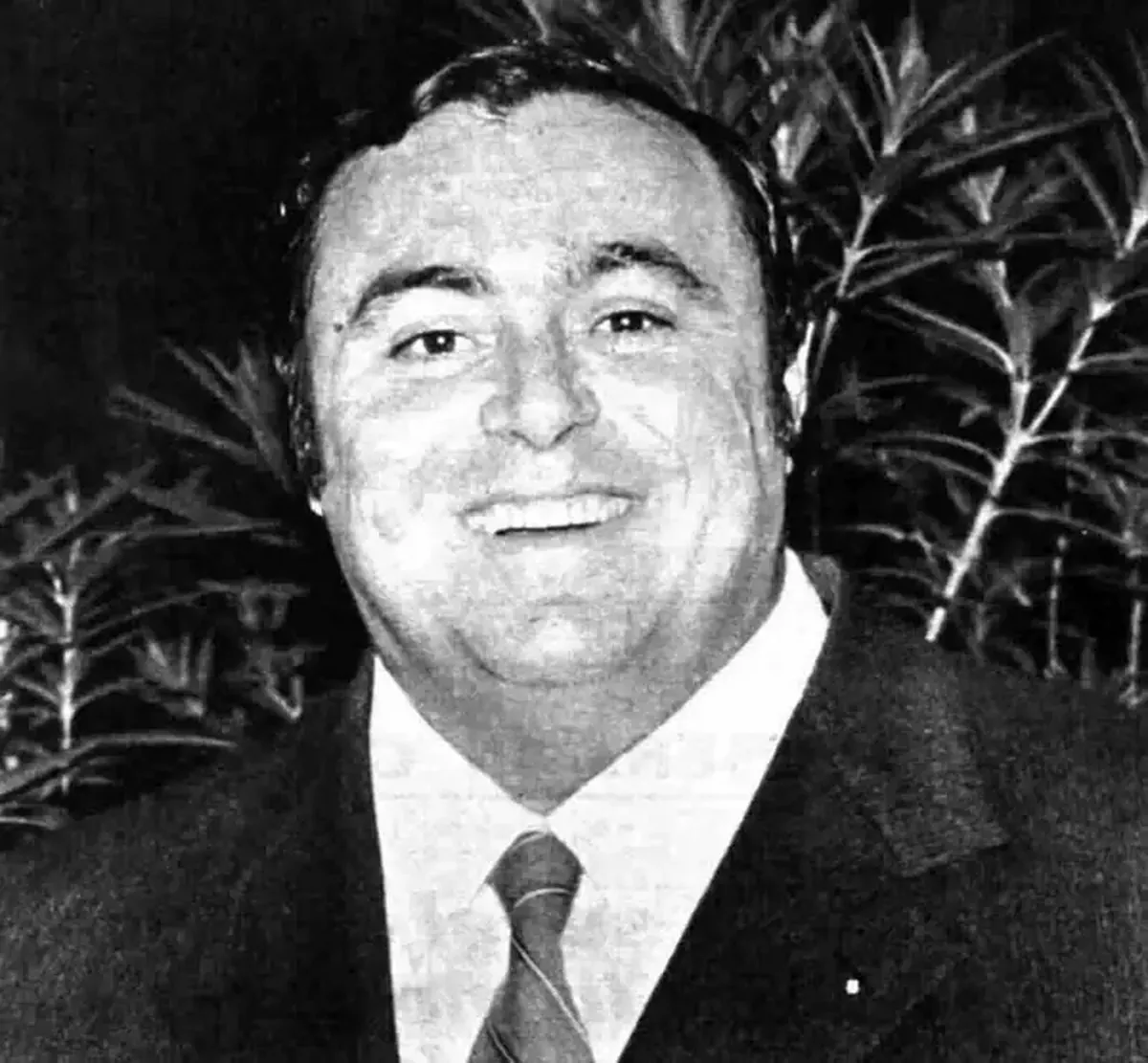
Luciano Pavarotti in 1972
Six years of classical vocal training seemed to produce no results: his early performances earned him no money. When he lost his voice during one concert, he thought singing might not be for him and considered another path.
Then the growth on his vocal cords disappeared, and the lump that had prevented him from singing vanished. As he later recalled, his voice came back with its natural timbre; he suddenly heard the sound he’d been trying to achieve.
A Second Wind
He considered his victory at an international vocal competition in 1961 the start of his artistic career. That same year, Luciano started a family: his first wife, and the mother of his three older daughters, was opera singer Adua Veroni.

Luciano Pavarotti with his wife Adua Veroni and their three daughters, early 80s
In 1963, his name began to appear on the posters of the Vienna Opera and London’s Covent Garden, and in 1965 Pavarotti made his U.S. debut, stepping in for an ailing tenor during a tour in Miami.
In 1985 applause lasted nearly two minutes after his performance at Milan’s La Scala, and in 1988 he took 165 bows at Berlin’s Deutsche Oper, a Guinness World Record.
It seemed that his talent outgrew sold-out performances in stuffy opera houses, and he increasingly moved from theaters to open-air venues. Critics hailed him as a pioneer who brought opera to the masses. In 1991 Pavarotti performed for 150,000 spectators in London’s Hyde Park, and in 1993 he drew over half a million listeners to New York’s Central Park (an all-time record), with an additional million viewers tuning in to the televised broadcast. That same year, the great tenor sang for 300,000 Parisians at an outdoor concert on the Champ de Mars.

Elton John and Luciano Pavarotti at the Pavarotti & Friends concert, 1996
Luciano Pavarotti also popularized opera for the general public through a series of stadium performances with José Carreras and Plácido Domingo in the joint project ‘The Three Tenors.’ The collaboration enjoyed 15 years of commercial success.
Beyond the Stage
In addition to his musical achievements, Pavarotti received awards for his charitable work. For example, he donated more than one and a half million dollars to refugee aid—the largest amount in the world. He helped victims of the earthquake in Armenia, funded landmine removal, and more. The International Red Cross honored him with an award for his humanitarian contributions.
However, his reputation had blemishes. Chief among them was his nickname ‘the king of cancellations.’ His habit of canceling performances strained relationships with several opera houses. He canceled on the Lyric Opera of Chicago 26 times out of 41 scheduled performances over eight years, missing nearly every other engagement. Ultimately the company stopped working with him, ending a 15-year collaboration because of financial losses.
Critics did not always admire his talent. After his last unsuccessful performance, Pavarotti never sang at La Scala again, and a negative acting experience in the 1982 film ‘Yes, Giorgio’ permanently dampened his interest in acting.
In 2002 he split with his manager, who accused him of being musically illiterate. After the acrimonious dismissal, Herbert Breslin published sensational claims about the ‘king of high C’ misunderstanding orchestral scores.
