
 Carlos Solis
Only about 10% of male animals help care for their offspring — but those dads go all in. Still, nature offers truly astonishing examples of paternal devotion.
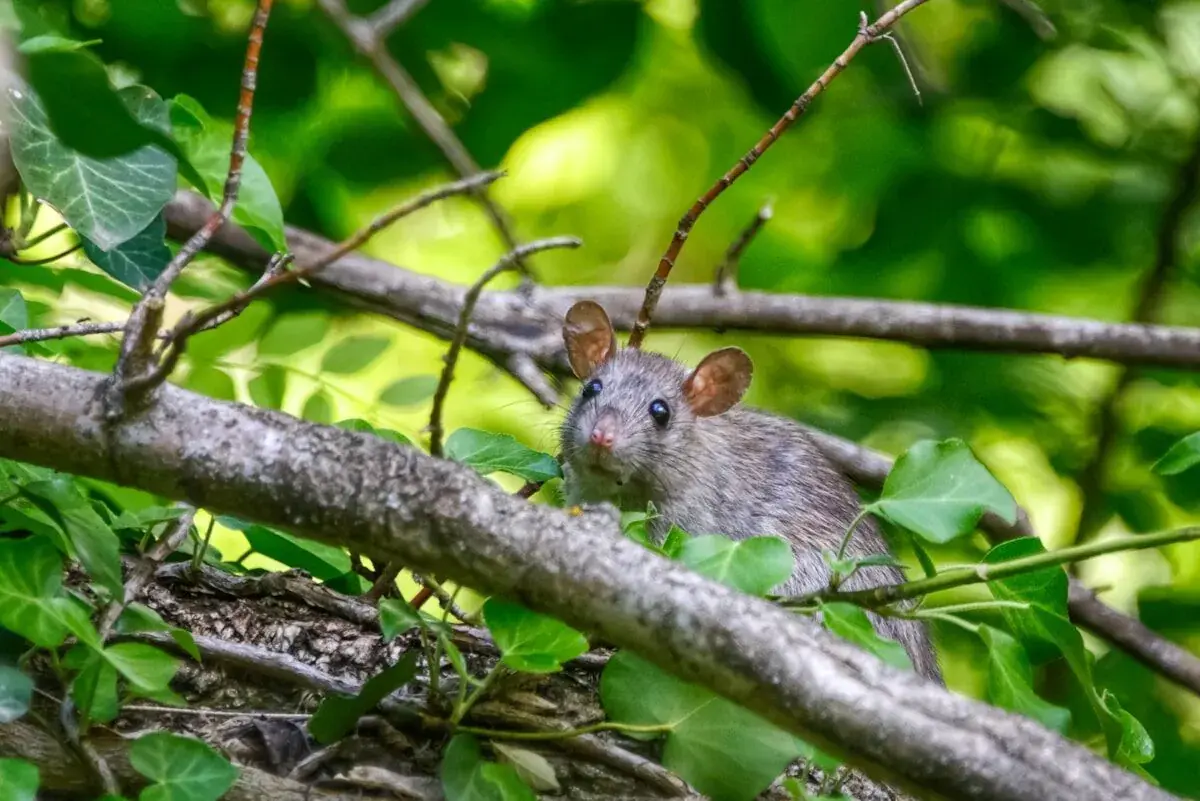
California Mouse: A Dad Whose Brain Changes
The California mouse often tops lists of “best dads.” Studies show that only 26% of pups survive to weaning without a father present, while that survival rate jumps to 81% when the male helps care for them.
To handle fathering duties, they undergo major brain changes. Experienced fathers raising a second or later litter show better object recognition, lower anxiety, stronger nest-building skills, and more attentive care of their young. Even testosterone, usually linked to aggression and mate-seeking, locally converts to estradiol in their brains and helps sustain paternal behavior.
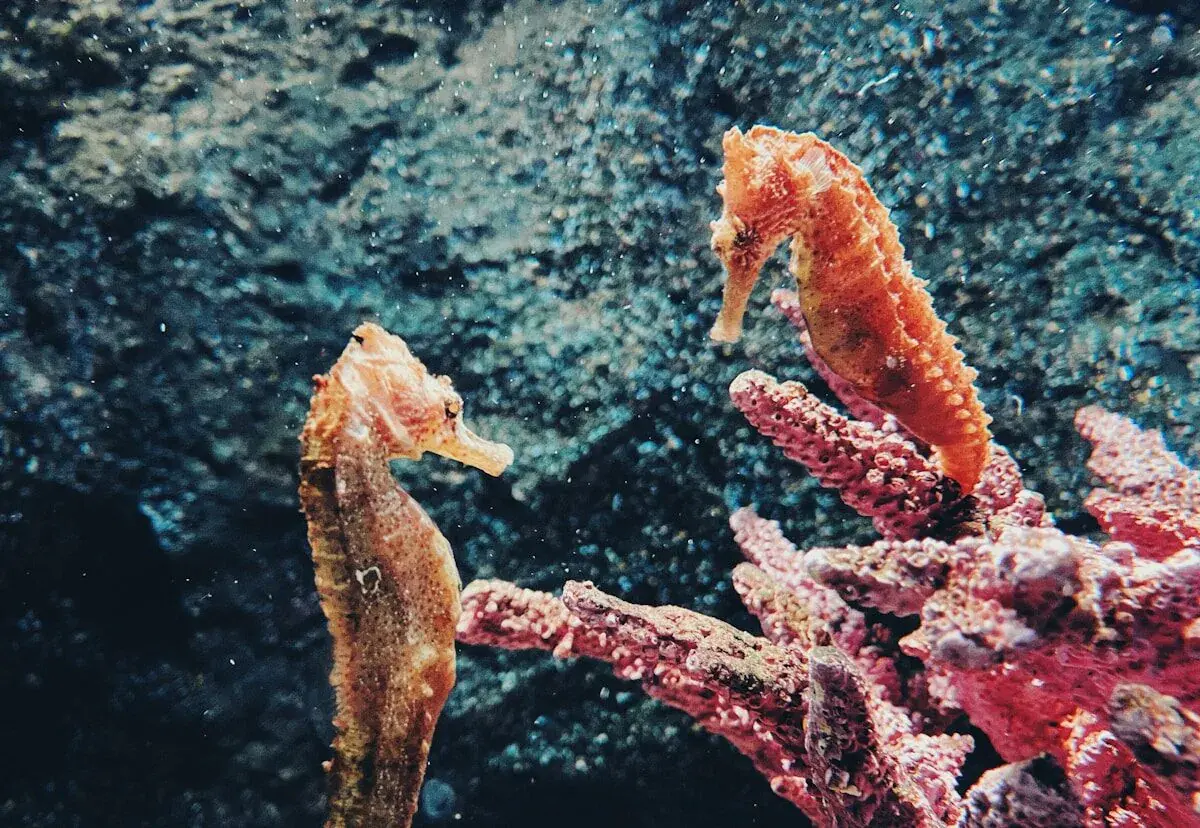
Seahorses and Pipefish: Dads That Carry the Young
In seahorses, pipefish, and sea dragons, the female deposits eggs and then transfers them to the male. In the most complex cases, the male has a vascularized pouch that supplies embryos with gases and nutrients, functioning much like a placenta.
Male “pregnancy” creates an immune challenge: the father must tolerate embryos that are genetically different from him while also fighting seawater microbes. Those immune demands sometimes cause disruptions and serious risks for the male, yet he still ensures his offspring survive.
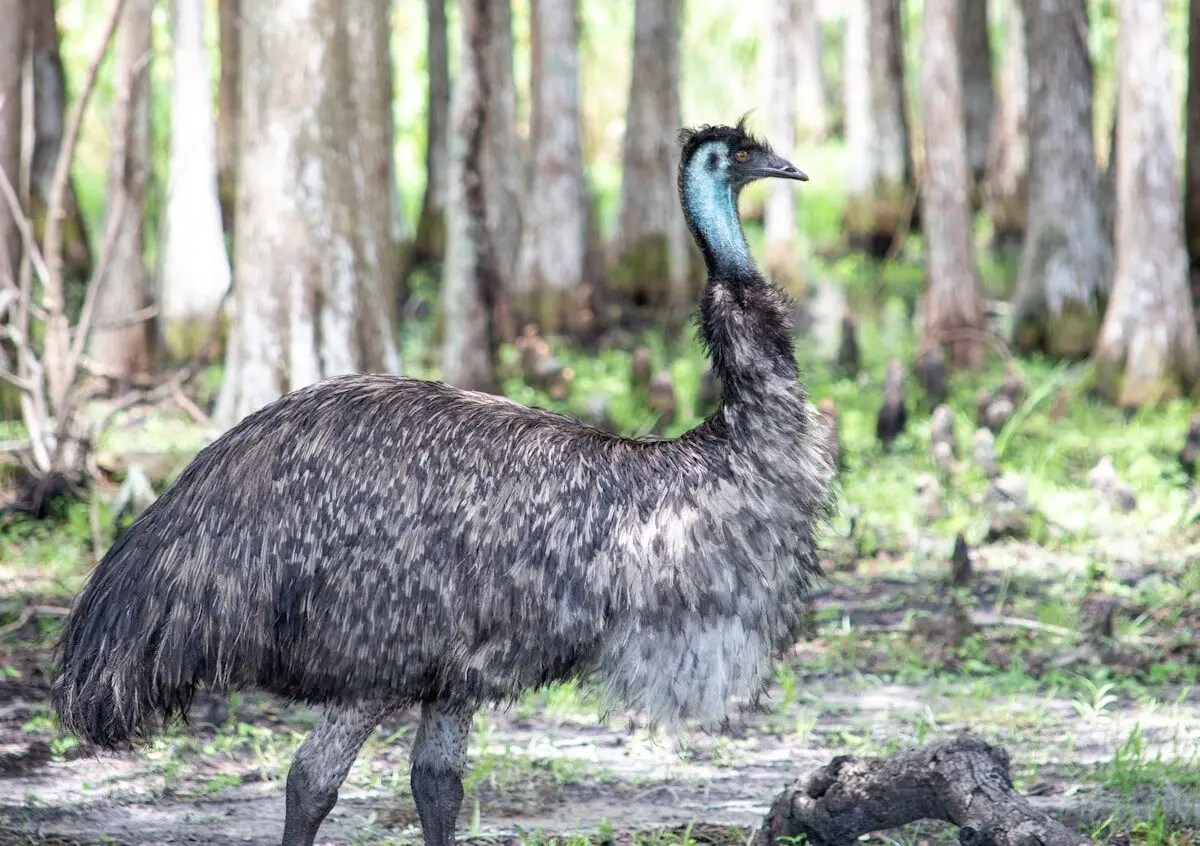
Emperor Penguins, Emus, and Kiwis: Dads That Incubate Eggs
For the male emperor penguin, one act matters above all. After the female lays a single egg, she transfers it to the male and heads to sea to feed. The father stays on Antarctic ice, keeps the egg on his feet under a skin fold, and protects it from the cold.
Males can fast for up to 120 days and lose about half their body weight. They survive by huddling with other males and minimizing movement during blizzards. If a chick hatches before the mother returns, the male can feed it for several days by producing a mucous secretion from his esophagus.
Emu males incubate eggs for about 56 days, eating and drinking very little. Male rheas build nests, accept eggs from multiple females, and can incubate enormous communal clutches. Male kiwis incubate a single huge egg while the female expends a lot of energy producing it. All of these males put themselves at serious risk by sitting on nests, but their care gives the females time to replenish their energy.
Wild Dogs and Wolves: Dads That Bring Food to the Den
Wolves, African wild dogs, red foxes, and other canids scout and hunt, then bring food back to the den. They often regurgitate partially digested meat for pups that can already handle solid food. In some species, males supply more food to the den than females do.

Owl Monkeys: Dads Who Carry Full Time
In this species, the male carries a single infant almost continuously for the first four months of life. That role frees the female from the physical burden of transporting the infant and lets her rest more and produce higher-quality milk.
Male owl monkeys undergo hormonal changes tied to appetite, energy use, and caregiving. Despite the intense energy cost of carrying a rapidly growing infant, males show the lowest cortisol levels during the early carrying phase — cortisol being a hormonal stress marker. They work hard and yet do not appear overly exhausted.

Who is the best dad in nature? It’s hard to choose. Seahorses make a strong case for the most devoted father, but penguins and wolves also have compelling claims.
Who do you think deserves the title of best dad in nature?
Based on reporting from ZME Science
