
 Carlos Solis
 This is the view of leading British dietitian Emma Derbyshire, co-author of a new report focused on nutrition for eye health. She said that 74 percent of Britons do not follow a proper diet for good vision, and half believe that carrots are the only food that helps their eyes.
But Dr. Derbyshire says there are many other everyday foods people should pay attention to if they want to maintain their eye health into old age.
Fatty Fish
To keep your vision sharp for as long as possible, the dietitian recommends eating at least two servings of fish per week, with one of those servings being fatty fish.
“Fatty fish is rich in omega-3 fatty acids, which help support eye health. They also help keep the eyes moisturized,” Dr. Derbyshire explained. The most beneficial fatty fish include sardines, mackerel, herring, salmon, and trout, according to Daily Mail.

Fruits and Vegetables
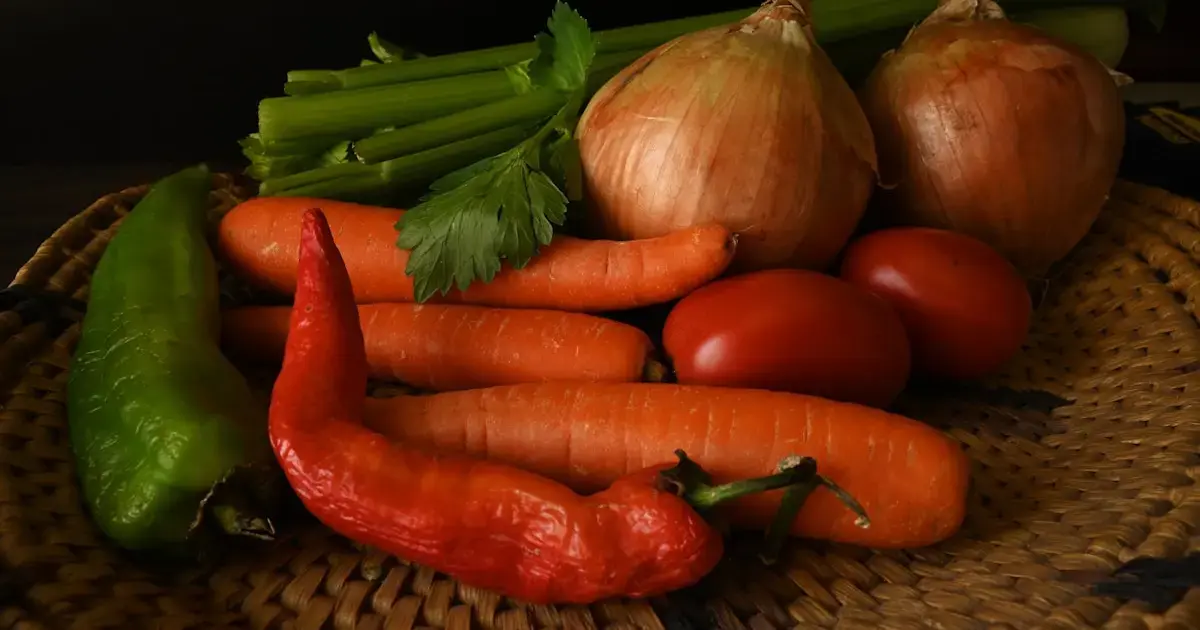
It’s crucial to eat five servings of fruits and vegetables each day — and yes, that includes carrots.
Vegetables are important for our vision primarily because they deliver vitamin C and vitamin E, the dietitian noted.
Foods Rich in Zinc and Copper
According to Dr. Derbyshire, zinc and copper “help maintain normal vision and protect the eyes from oxidative stress caused by sunlight and everyday strain on the eyes.”
Oxidative stress refers to damage caused by free radicals in the body. Free radicals are reactive oxygen molecules that can cause tissue damage, making people more vulnerable to heart disease, cancer, diabetes, and eye diseases. Antioxidants and trace minerals such as zinc and copper help combat that damage.
The expert said that vision problems are often linked to low zinc levels. Fortunately, zinc is found in many foods, such as red meat and seafood.
Those following a plant-based diet can get zinc from nuts, dried beans, soy, whole grains, and fortified products.
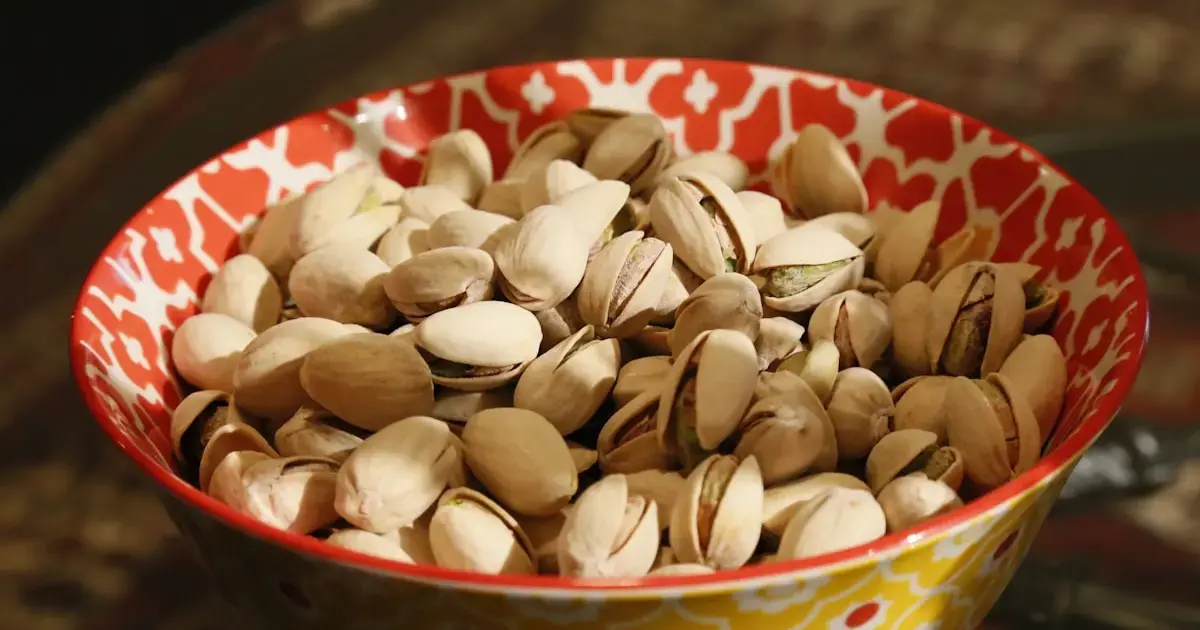
Meanwhile, copper, which is important for eye health, can be found in pistachios, pumpkin seeds, lentils, shiitake mushrooms, and dark chocolate.
Vitamin B2
Vitamin B2, also known as riboflavin, also contributes to better eye health. Dr. Derbyshire noted: “B2 supports lens clarity, which promotes good vision. It can be found in liver, kidneys, fortified cereals, meat, green vegetables, eggs, and cheese.”
Lutein
The new report that the expert worked on indicates that only 52 percent of people know what lutein is. Meanwhile, this antioxidant, found in carrots and spinach, protects the retina from oxidative stress, such as fatigue, age-related macular degeneration (AMD), and digital eye strain caused by the blue light emitted by our devices.
Lutein is concentrated in the macula at the center of the retina. This area is responsible for color recognition, fine details, and central vision, which you use for reading, writing, and driving.
Lutein is found in bright fruits and vegetables, such as orange bell peppers, carrots, zucchini, cabbage, dark leafy greens, and kiwi. “Egg yolks are also a good source of lutein,” the expert added.
Water
The last item on the list is surprisingly accessible. Dr. Derbyshire explained: “Water is extremely important for preventing dry eyes. Women should drink two liters of water a day, while men should aim for two and a half liters.”
Photo: Unsplash
