
 Gaby
Gaby
We often assume young people hit their highest peaks in sports and the arts. But peaks in physical and intellectual activity vary with age, and youth isn’t always an advantage.
Age, Intelligence, and Physical Activity
Studies show peak achievement in high-intensity sports (like sprinting) typically occurs between ages 20 and 30. In contrast, intellectual activity tends to peak around 50, when people produce the most innovative ideas and solutions.
That suggests youth isn’t always an advantage for reaching mental or physical peaks. A range of studies and analyses by economists, scientists, and psychologists support this.
For instance, peak performance in endurance sports (such as marathon running and sailing) often comes around age 40. By comparison, athletes in high-intensity activities like sprinting and soccer usually reach their prime around 25.
From a cognitive perspective, people typically reach their largest vocabularies around age 65, while overall intelligence and accumulated knowledge tend to be strongest between 40 and 50.
The Age of Peak Success in Sports Varies by Discipline
Generally, an individual’s best performance in a given field—whether physical fitness or mental sharpness—comes at a typical age. People often point to those who shone in high school or college but didn’t go on to greater success as examples.
Still, the age you’re most likely to hit top results varies a lot by discipline. Athletes in speed- and strength-focused events, such as sprinting, typically perform better at 20 than at older ages. Conversely, marathoners and competitors in endurance sports tend to peak closer to 40.
Sports that require explosive strength over short bursts (like sprinting, gymnastics, and fast swimming) rely on fast-twitch muscle fibers, which generate powerful, quick contractions used for explosive movements.
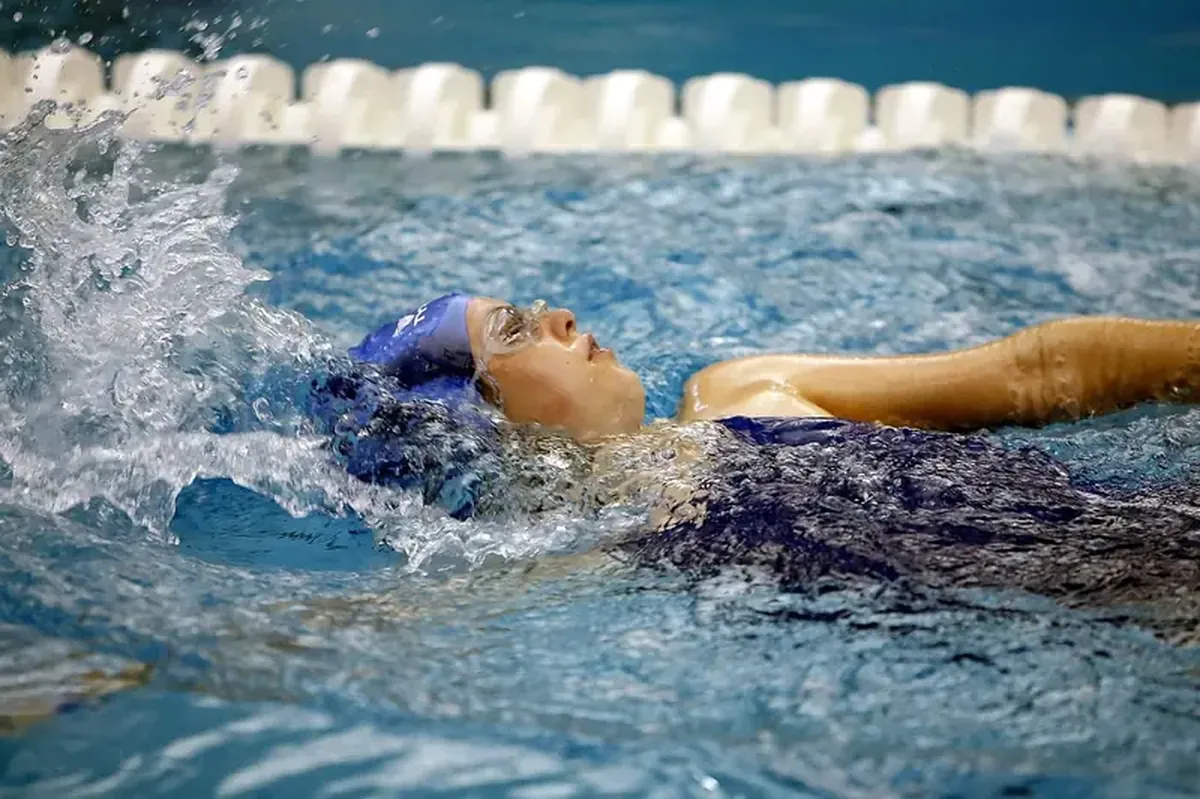
Fast-twitch fibers depend on energy production that doesn’t require as much oxygen. They matter most in high-energy sports where immediate power is more important than sustained oxygen delivery. As people age, these muscle fibers tend to atrophy.
That helps explain why older athletes usually can’t run or swim as quickly as their younger rivals. Yet middle-aged athletes can excel in endurance, running or cycling long distances.
Endurance activities rely on slow-twitch muscle fibers, which use oxygen to generate energy for sustained contractions. Slow-twitch fibers can increase with training, especially in sports that demand prolonged energy output.
Different Types of Thinking — Different Ages for Intellectual Peaks
Unlike physical skills, success in creativity and innovation often comes later in life, even though these fields are commonly associated with youth. Not all cognitive skills peak at the same age. Some types of creative thinking that search for innovative solutions are more common in older people, while younger people often excel in fast-paced physical pursuits like basketball or track.
Young people often have vivid imaginations and openness to new experiences. Research increasingly shows, however, that older adults can be especially strong at experimental thinking because of years of accumulated knowledge, education, and experience.
Experimental thinkers—whose skills often peak around age 50—can generate many possible solutions by thinking outside the box. That makes it easier for them to find creative answers to complex problems. Experimental thinking is particularly important in scientific research, where average ages often fall between 46 and 55.

Another form of creative thinking is conceptual thinking, which helps tackle abstract ideas and reason across perspectives. People typically reach their peak in conceptual thinking at a younger age, around 25.
Peak ages for different activities vary depending on intensity and energy demands. So don’t despair thinking fame or achievement belongs only to the young—every pursuit has its own peak age.
